

TMJ & Jaw Pain Relief in Mosman, Sydney
Clicking, tension, headaches and jaw dysfunction — treated at the cause
Jaw pain, clicking, tightness or headaches often aren’t just a jaw problem.
They’re usually a combination of joint restriction, muscle tension and nervous system stress.
Trusted by adults, teens and families across Mosman, Sydney’s North Shore and Northern Beaches for gentle, targeted TMJ care.
Find out what’s driving your jaw pain — and how to fix it
TMJ pain, jaw clicking and tension headaches are often linked to joint restriction, muscle overload and nervous system stress. At Nomad Chiropractic Mosman, we use gentle chiropractic care, cranial work and nervous system-focused techniques to improve jaw function and reduce tension. Serving Mosman, the North Shore and Northern Beaches.
WHAT IS TMJ DYSFUNCTION?
TMJ (temporomandibular joint) dysfunction refers to issues with the jaw joint and surrounding muscles.
This can affect:
Talking
Chewing
Yawning
Even sleeping
Common symptoms include:
Jaw pain or tightness
Clicking or popping
Locking or restricted opening
Ear pain or pressure
And importantly — these symptoms are often connected.
👉 We provide TMJ treatment in Mosman for jaw pain, clicking and tension-related headaches, with a focus on long-term results.
Jaw pain, clicking or tension headaches? Let’s find the cause — and fix it properly.
Just because jaw clicking is common… doesn’t mean it’s normal.
WHAT CAUSES TMJ PAIN?
Most TMJ issues are not just “a jaw problem”.
They’re usually a combination of:
▪️ Joint restriction - The jaw joint isn’t moving properly
▪️ Muscle overload - Clenching, grinding, or compensation patterns
▪️ Nervous system stress - Often linked to: stress, poor sleep, overload, posture
▪️ Posture & neck involvement - The jaw, neck and upper spine are closely connected
👉 This is why treating the jaw alone often doesn’t fully resolve the issue
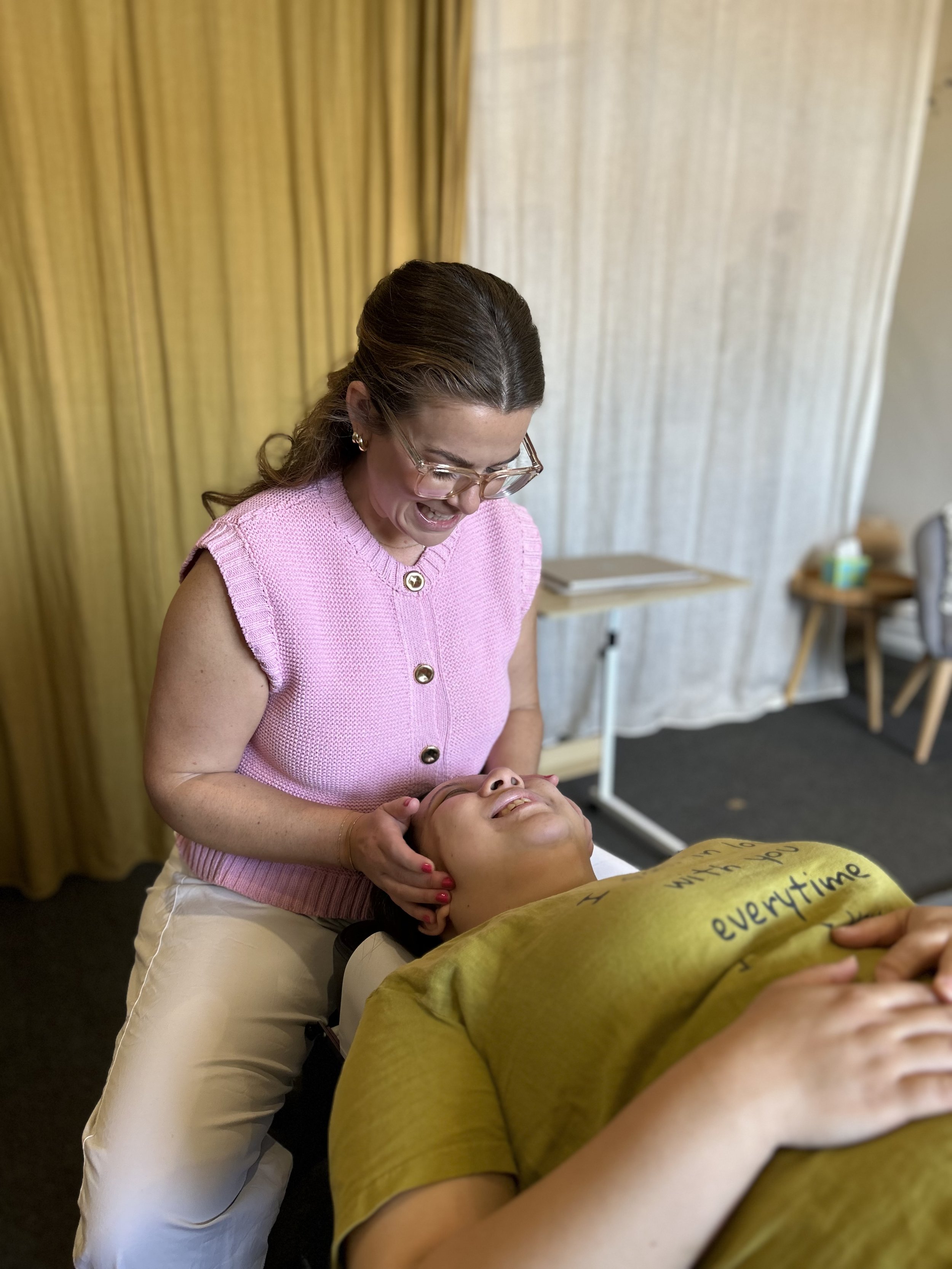
Not Sure What Is Causing Your TMJ/TMD issues?
Our team can assess your posture, spinal movement, lifestyle and symptom history to help identify what may be contributing.
How Chiropractic Care Can Help Your Jaw
Research shows TMJ dysfunction is often influenced by joint mechanics, muscle tension and nervous system input — which is why a whole-body approach tends to be more effective than isolated jaw treatment.
At Nomad Chiropractic, we offer non-invasive, drug-free treatments to alleviate TMJ-related discomfort. Our approach focuses on addressing the root causes of TMD through:
If your jaw clicks some days but not others, feels tight when you wake up, or worsens with stress — you’re not alone. These patterns are common, and they’re usually explainable.
Our Approach to TMJ Treatment
At Nomad Chiropractic, TMJ care is never just about the jaw.
We regularly work with patients experiencing jaw pain, clicking, clenching and TMJ-related headaches, and understand how complex — and frustrating — these patterns can be.
Your care may include:
Gentle TMJ-specific adjustments
Cranial work to reduce tension patterns
Neck and upper spine adjustments
Muscle release techniques for the jaw and surrounding areas
Nervous system-focused care to support regulation
We assess how your jaw is functioning alongside your neck, posture and stress patterns — because lasting change comes from addressing the full picture, not just one area.
👉 This is why many people find their symptoms improve more consistently with a whole-body approach.
Many clients notice changes in jaw tension, movement or headaches within the first few weeks of care, depending on the underlying cause.
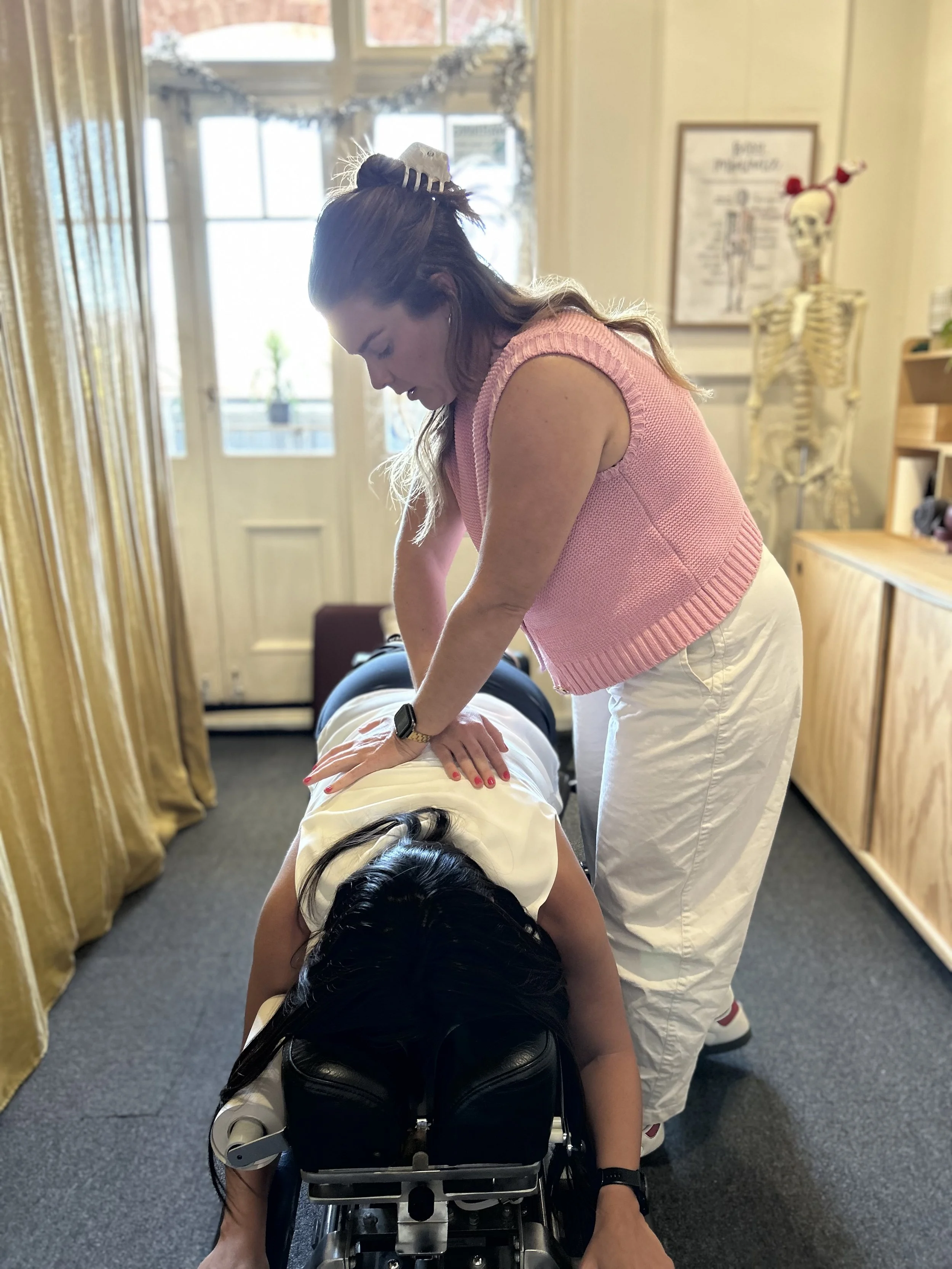
Research consistently shows that TMJ dysfunction involves a combination of joint mechanics, muscle tension and nervous system input — which is why a whole-body approach is often more effective than focusing on the jaw alone.
Nomad Chiropractic is known for helping adults from the North Shore & Northern Beaches with back pain, neck pain, headaches, TMJ/TMD, posture-related pain, sports & exercise, and nervous system overload.
THE NOMAD DIFFERENCE WHEN IT COMES TO TMJ
We’re not a “quick jaw crack” approach.
Your care is:
✔ Thoroughly assessed
✔ Individually tailored
✔ Focused on long-term results
We look at:
▪️ Jaw mechanics
👉 So you’re not just chasing symptoms
The goal isn’t just short-term relief — it’s improving how your jaw functions so symptoms don’t keep coming back.
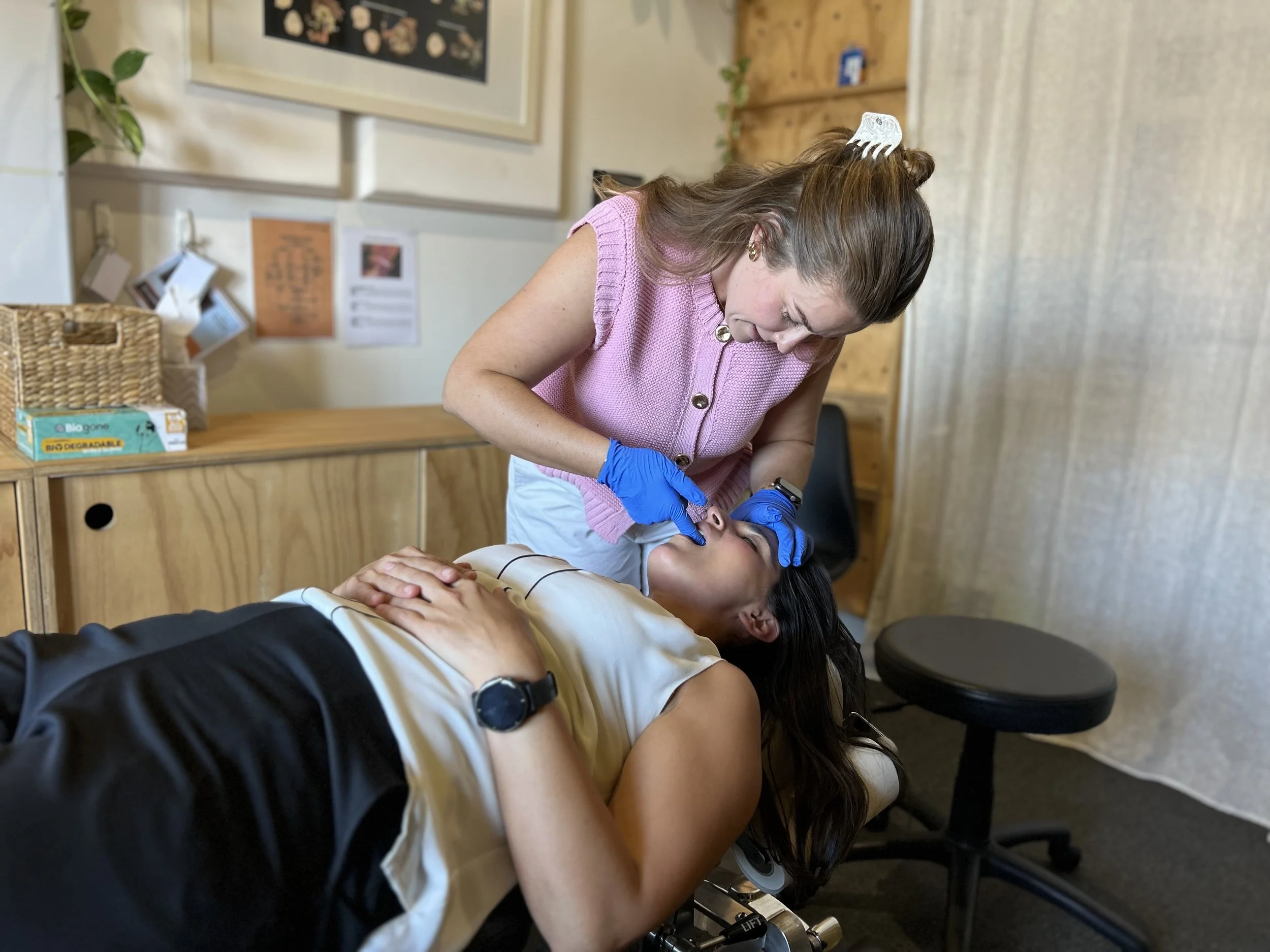
Jaw pain doesn’t fix itself — but it can be treated properly
TMJ + HEADACHES + STRESS
There’s a strong connection between:
▪️ TMJ dysfunction
Jaw tension often contributes to:
▪️ temple pain
▪️ facial pain
▪️ clenching at night
👉 This is why people often say:
“I didn’t realise my jaw was causing my headaches”

What to expect at Nomad Chiropractic for a TMJ Assessment
-
Initial Consultation
45mins
Your chiropractor will take the time to understand your full picture — not just your jaw symptoms.
We’ll explore:
- When your jaw pain or clicking started
- Clenching, grinding or stress patterns
- Cranial motion
- Headaches, neck tension or posture
- Lifestyle factors and daily habits (including sleep posture)A comprehensive assessment will follow, including:
- TMJ movement and joint function
- Jaw muscle tension and symmetry
- Neck and upper spine assessment
- Postural and neurological evaluation👉 This helps us understand what’s really driving your TMJ dysfunction — not just where it hurts.
-
Report of Findings
30mins
At your second visit, we’ll walk you through exactly what we’ve found in a clear, easy-to-understand way.
You’ll learn:
- What’s contributing to your jaw pain or clicking
- How your jaw, neck and nervous system are connected
- Why your symptoms are happening
- What your personalised care plan will look likeWhether your goal is pain relief, improved jaw movement, or long-term change — we’ll map out a plan that makes sense for you.
-
Regular Appointments
15mins
Once your care is underway, each appointment builds on your progress.
The focus is on:
- Improving jaw movement and alignment
- Reducing muscle tension and clenching patterns
- Supporting better nervous system regulation
- Addressing contributing factors like posture and stress
- Care is delivered in phases, with a re-assessment at the end of your plan.We track:
- Jaw function and range
- Muscle tension and symmetry
- Neck mobility and posture
- Nervous system responses
- Your symptoms👉 So your care evolves as your body changes — not just temporary relief.
IS CHIROPRACTIC THE RIGHT CHOICE FOR YOU?
This approach may be right for you if:
Your jaw clicks, locks or feels tight
You get headaches linked to jaw tension
You clench or grind your teeth
You’ve tried managing it but it keeps coming back
👉 If that sounds like you, it’s worth getting it assessed properly.
Many people with TMJ/TMD say:
“My jaw clicks but doesn’t hurt all the time”
“It gets worse when I’m stressed”
“I wake up with tightness or headaches”
“I’ve been told to just live with it”
👉 If that sounds familiar, there’s usually an underlying pattern we can assess and address.

Frequently Asked Questions about the Jaw and Chiropractic on the North Shore
-
Yes — chiropractic care can help improve jaw movement, reduce muscle tension and support nervous system regulation, all of which contribute to TMJ dysfunction.
-
Clicking often indicates joint restriction or disc movement within the TMJ, often combined with muscle tension.
-
Yes — stress can increase clenching and muscle tension, which worsens TMJ symptoms.
-
Very commonly. Jaw tension can refer pain into the temples, face and head.
-
Often both. Dentists manage structural dental issues, while chiropractors address joint movement, muscle tension and nervous system factors.
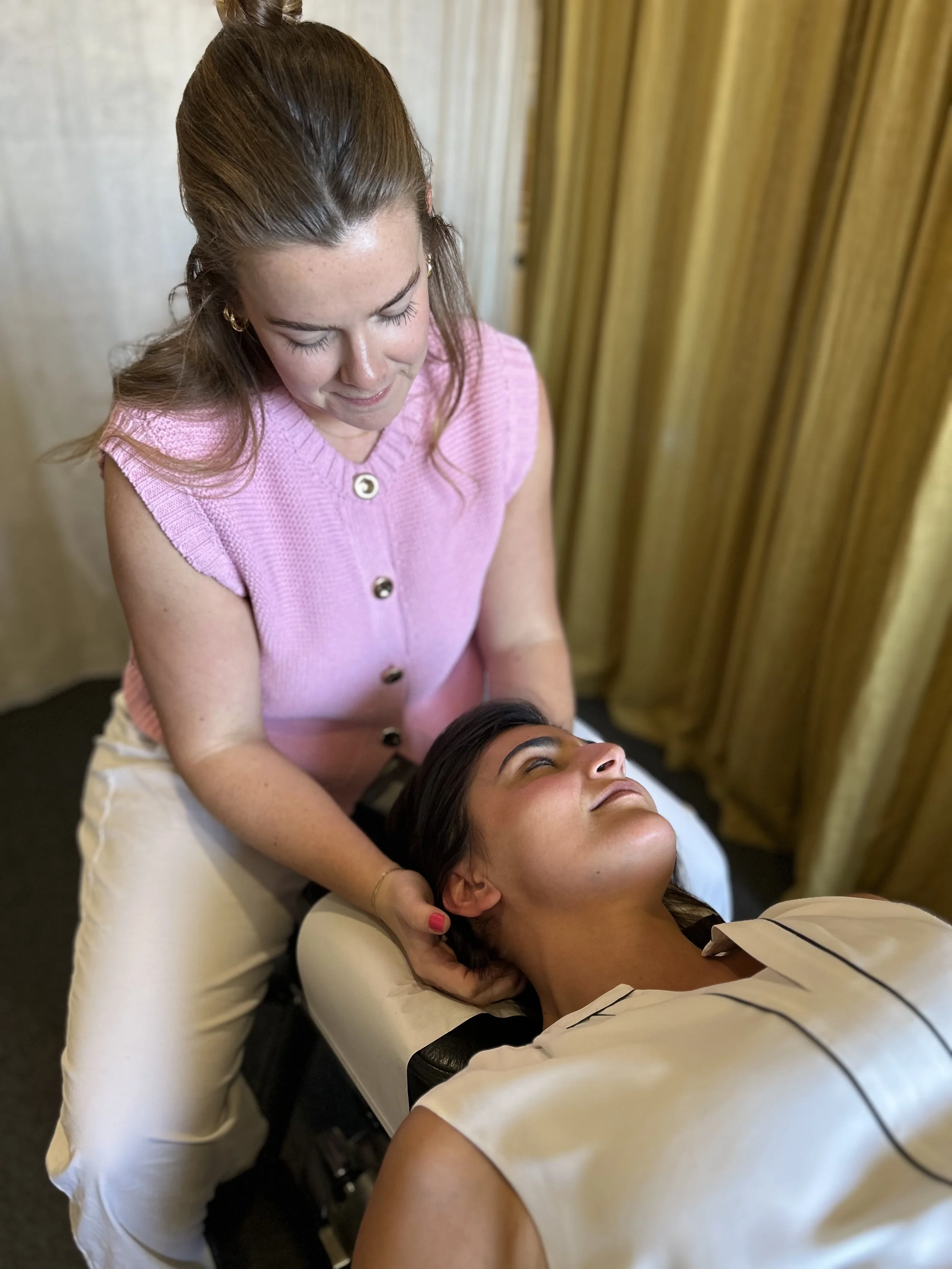
Most people with TMJ have been told to “just live with it” — this is where we actually figure out why it’s happening and what to do about it.
Why Choose Nomad Chiropractic?

Expertise in TMJ Disorders
Our chiropractors have extensive experience in diagnosing and treating TMD.
Holistic Approach
We consider the interconnectedness of the body's systems to provide comprehensive care.

Collaborative Care
We work alongside holistic dentists to ensure all aspects of TMJ disorders are addressed.

Patient-Centered Care
Your comfort and health goals guide our treatment plans.
TMJ dysfunction can cause jaw pain, clicking, headaches and neck tension. At Nomad Chiropractic Mosman, we assess the jaw, spine and nervous system to address the underlying cause. Our gentle, targeted approach supports long-term relief for patients across Mosman, North Shore and Northern Beaches.
Visit Our Mosman TMJ & Jaw Pain Clinic
Supporting clients with TMJ/TMD and jaw pain from Mosman, Neutral Bay, Cremorne, Balmoral, Northbridge and across Sydney’s North Shore and Northern Beaches.
Nomad Chiropractic is located in Mosman, supporting patients with TMJ dysfunction, jaw pain, clicking and tension headaches from across Sydney’s North Shore and Northern Beaches.
Many of our patients come to us after trying to manage jaw pain on their own — often not realising how connected the jaw is to the neck, posture and nervous system.
Our clinic provides a calm, non-rushed environment where we take the time to assess what’s actually driving your symptoms and create a plan that makes sense for your body.
👉 If you’re in Mosman, Neutral Bay, Cremorne, or travelling from the Northern Beaches, you’re in the right place.
Easy parking nearby • Family-friendly clinic • Experienced chiropractors
Most people wait months (or years) before addressing TMJ properly — you don’t have to.
You don’t have to keep managing jaw pain on your own
If your jaw is clicking, tight or contributing to headaches, the earlier you address it, the easier it is to correct.
Appointments available this week - No referral needed
Support your body between visits
Follow along for simple, practical tips on pregnancy, baby development, posture and nervous system health.
👉 Follow along for tips:
Trusted by families across Mosman, Sydney’s North Shore and Northern Beaches.