
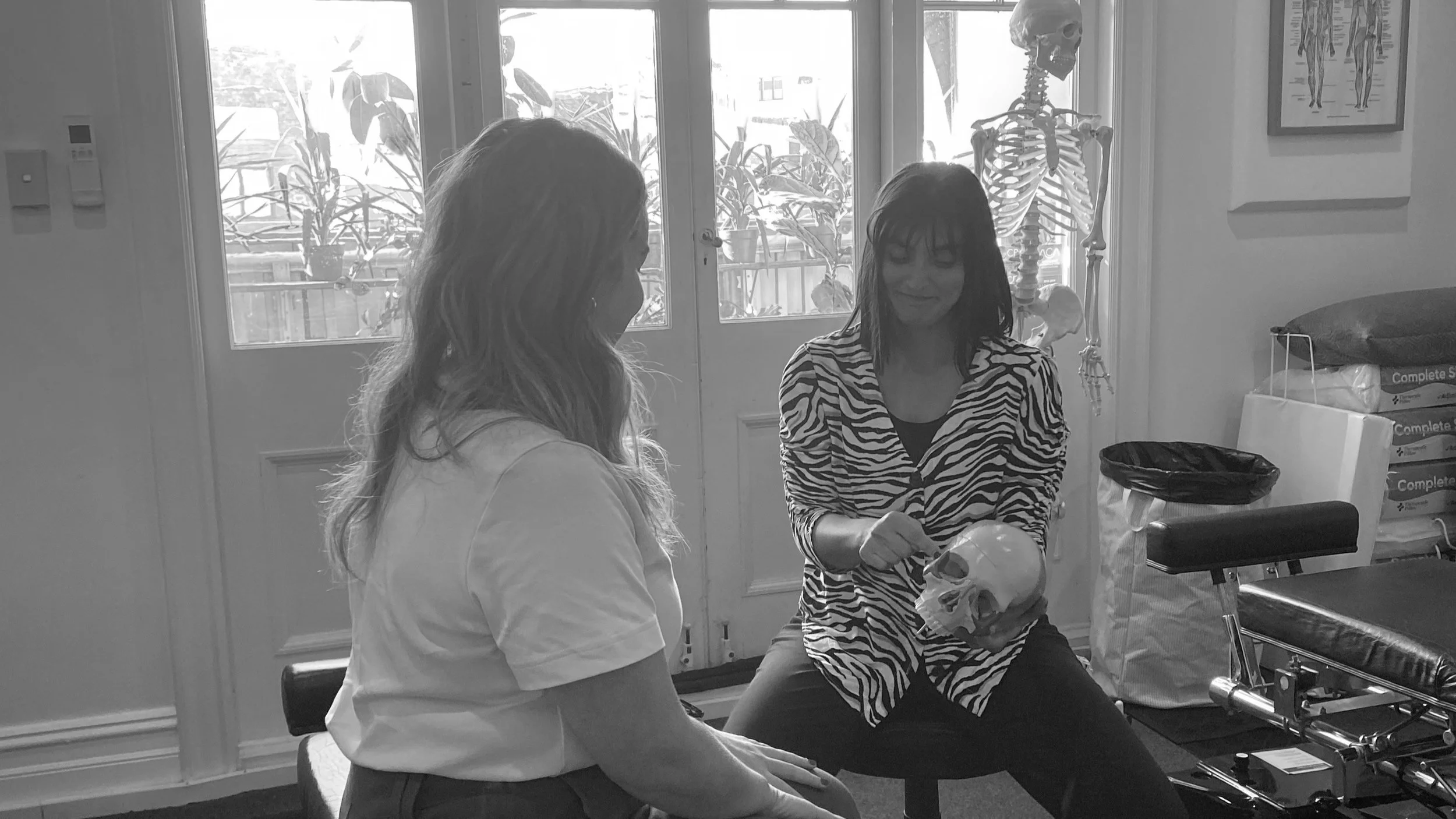
Headache & Migraine Chiropractor in Mosman, Sydney
Natural, evidence-informed chiropractic care for headaches, migraines and neck-related tension—helping adults across Mosman, Sydney’s North Shore and Northern Beaches move, function and feel their best.
Trusted by adults across Mosman, Neutral Bay, Cremorne, Cammeray and Sydney’s Lower North Shore for personalised headache and migraine care.
No referral needed. Personalised care tailored to your symptoms, triggers and goals.
Headache & Migraine Treatment at a Glance
Headaches and migraines can significantly impact your work, sleep, focus and quality of life. At Nomad Chiropractic, we help identify the underlying mechanical, postural and lifestyle contributors that may be driving your symptoms—not just where the pain is felt. Our Mosman chiropractors provide personalised, evidence-informed care for tension headaches, cervicogenic headaches, migraines and recurring head/neck tension.
Natural Headache & Migraine Relief in Mosman | Sydney’s Lower North Shore
Headaches and migraines are often linked to tension, posture strain, nervous system overload, and dysfunction in the neck and upper spine. At Nomad Chiropractic in Mosman, we provide evidence-informed, neurologically-focused chiropractic care for adults experiencing tension headaches, cervicogenic headaches, stress-related headaches, and migraines.
Our approach looks beyond symptom suppression to address contributing factors such as cervical spine mechanics, muscle tension, nervous system regulation, and lifestyle stressors. Through gentle spinal adjustments, soft-tissue support, posture correction, and personalised care plans, we help Sydney adults reduce headache frequency, intensity, and reliance on medication — supporting long-term resilience and improved quality of life.
Headache & migraine chiropractic care | Mosman chiropractor | Adult nervous system support | Sydney Lower North Shore
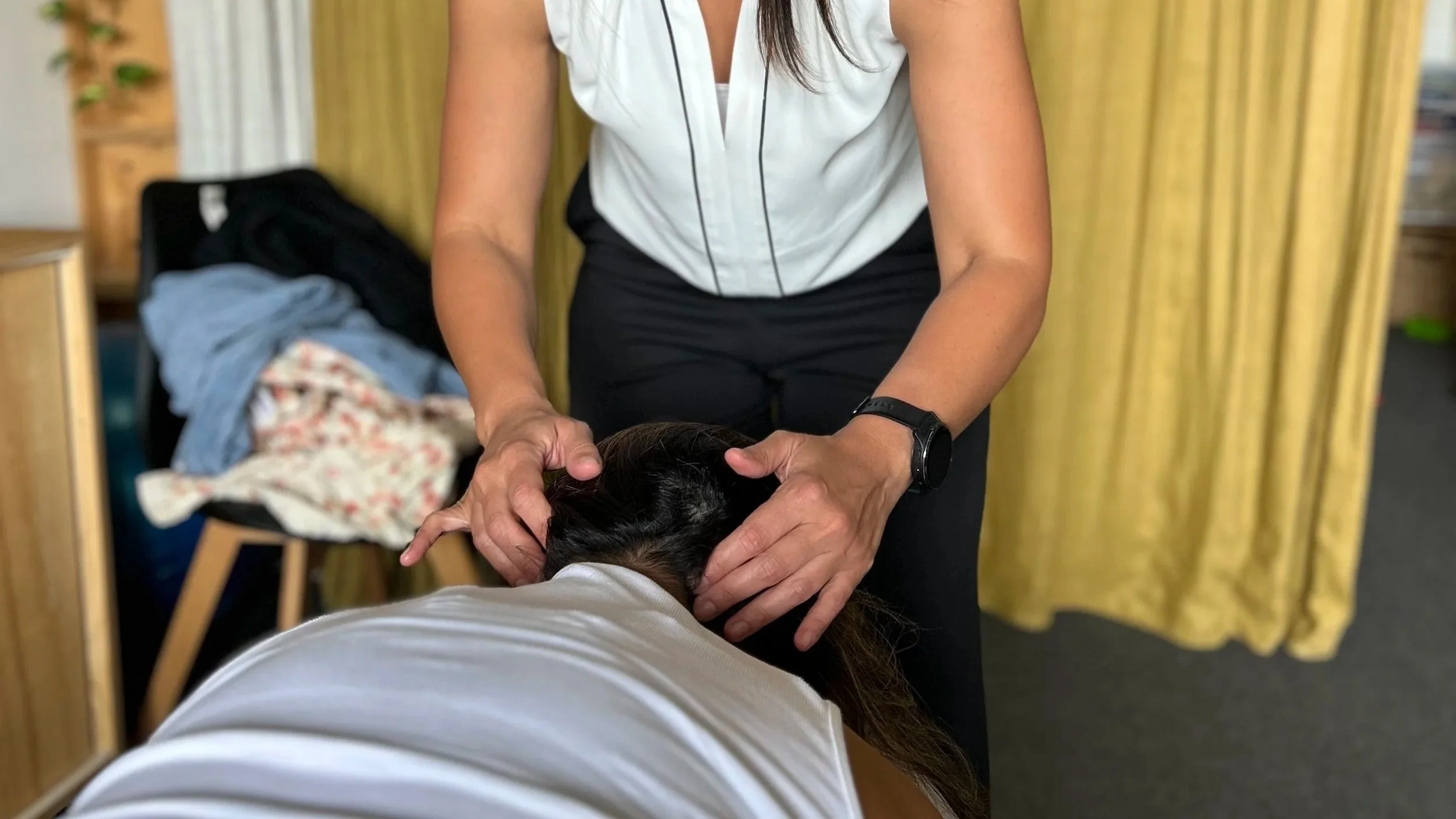
Headaches may be common—but frequent headaches should never be considered normal.
Why Am I Getting Frequent Headaches?
Headaches can develop for many different reasons, and often involve more than one contributing factor.
While some headaches are linked to dehydration, hormones, food triggers or stress, many people we see experience headaches due to a combination of:
Neck tension and joint restriction
Muscle tightness through the shoulders and upper back
Poor sleep positioning or pillow support
Lifestyle habits and movement imbalance
While these triggers may seem unrelated, most headache cases we see involve several contributing factors building over time rather than one single isolated issue.
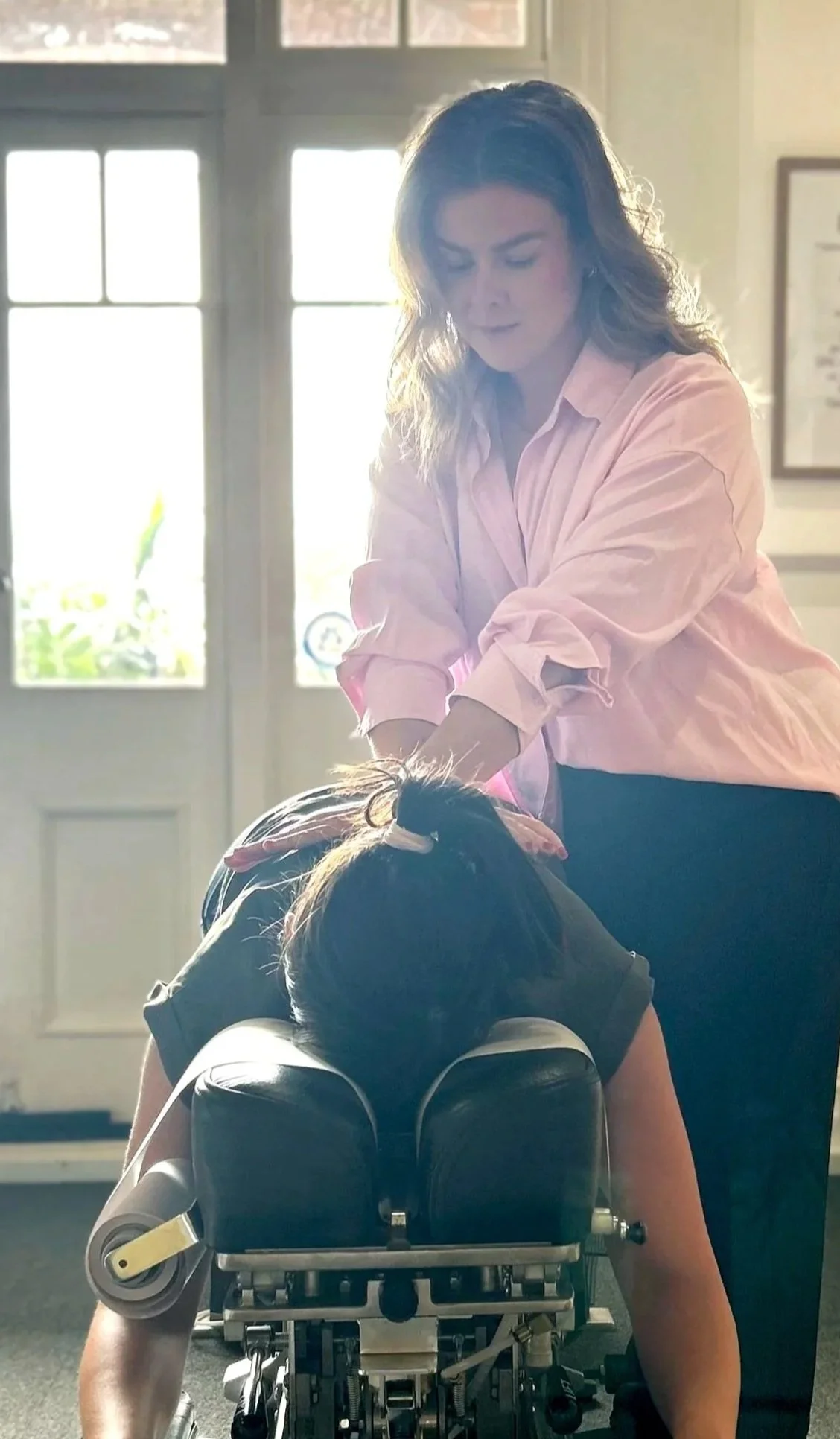
Not Sure What Is Causing Your Headaches?
Our team can assess your posture, spinal movement, lifestyle and symptom history to help identify what may be contributing.
Nomad Chiropractic is known for helping adults from the North Shore & Northern Beaches with back pain, neck pain, headaches, TMJ/TMD, posture-related pain, sports & exercise, and nervous system overload.
Common Types of Headaches We Commonly See
Not every headache is the same—and understanding the type of headache you are experiencing matters.
Tension Headaches
Often described as:
pressure around the forehead
band-like tightness around the head
dull aching pain
heaviness through the temples or scalp
Cervicogenic Headaches
These headaches originate from dysfunction in the neck and commonly:
begin in the upper neck/base of skull
radiate toward the forehead or eye
worsen with neck movement/posture
may feel one-sided
Migraines
Migraines are more complex neurological events that may involve:
throbbing or pulsating pain
nausea or vomiting
sensitivity to light/sound
visual aura/disturbance
fatigue or brain fog before/after episodes
Many people live with recurring headaches for years believing they are “just stress,” before realising there may be an underlying issue driving them.
Our Approach To Headache & Migraine Care At Nomad
At Nomad, we do not simply focus on the symptom.
We look at the bigger picture to understand why your headaches may be happening in the first place.
Your assessment may include review of:
spinal and neck movement
posture and workstation habits
muscular tension patterns
lifestyle and stress load
jaw/TMJ involvement
training or movement habits
sleep and recovery factors
This allows us to create a personalised plan tailored to your body, symptoms and goals.
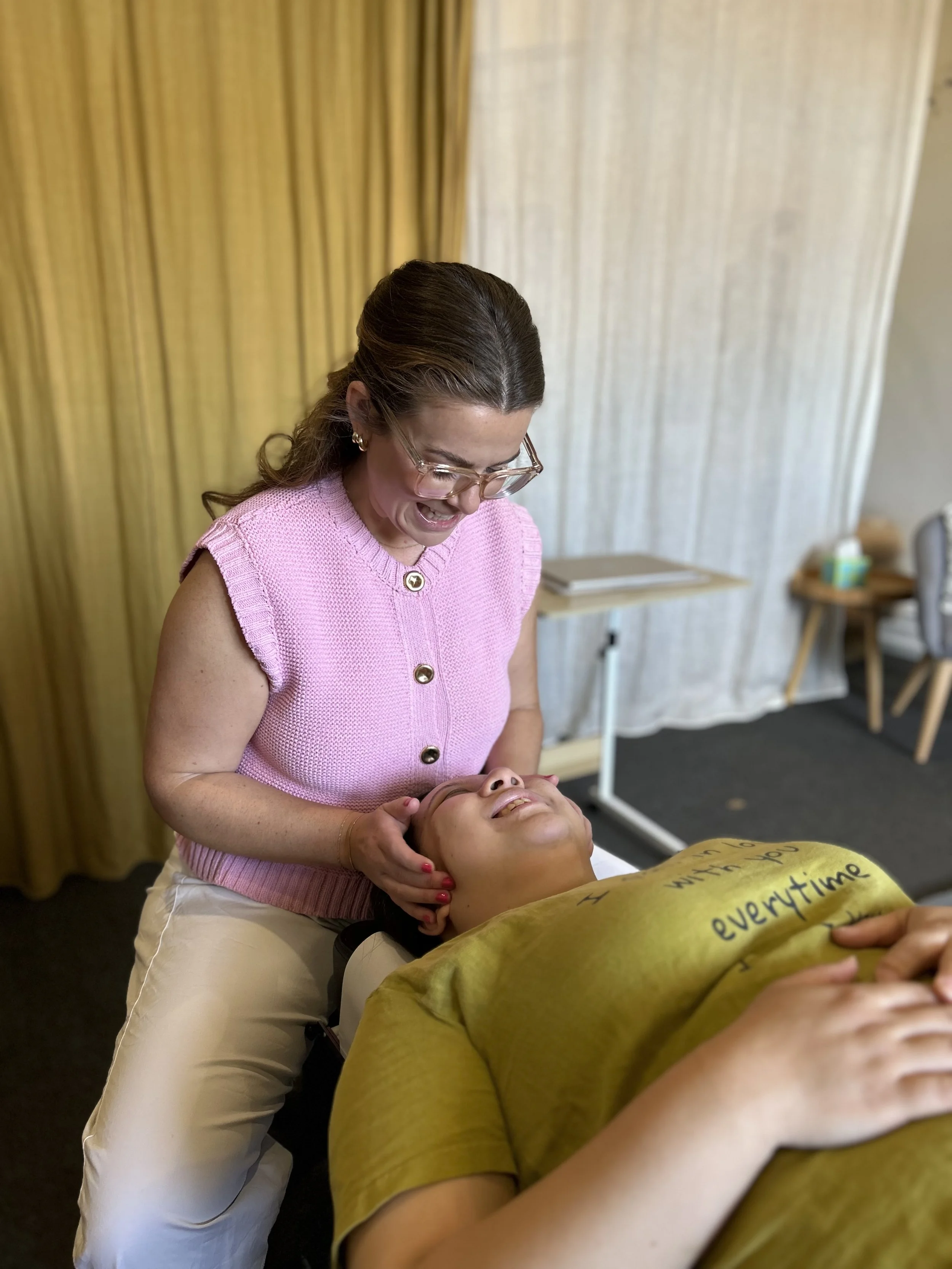
Looking For More Than Temporary Relief?
Our goal is to help you understand why your headaches keep returning—not just provide short-term symptom management
Personalised care designed around your symptoms, lifestyle and goals.
How Chiropractic Care Supports Headache Management
Research continues to highlight the connection between neck function and common headache presentations, with many headaches associated with joint restriction, muscle tension, and nervous system irritation.
At Nomad Chiropractic in Mosman, our university-trained chiropractors use a combination of traditional adjustments and gentle low-force techniques to support spinal movement, reduce tension, and improve overall function.
Rather than simply masking symptoms, our approach focuses on identifying contributing factors such as posture, stress, desk habits, and lifestyle patterns to support longer-term headache management.

Learn More:
Types of Headaches
-
Tension headaches are the most common cause of a headache in the general population causing mild to moderate pain.(4)
It is estimated that up to seven million Australians suffer from tension-type headaches.(5).
Tension headaches can cause mild to moderate pain and are often triggered by stress or fatigue.(6)
-
A cervicogenic (neck related) headache often presents as pain that starts in the neck (8) and is caused by disorders affecting the top of the spine, involving the bones, joints, muscles, or ligaments of that area.(9)
Typically, a cervicogenic headache is usually one-sided, beginning in the neck, and then spreading to the region of the eyes, forehead, and temples.(10)
-
Migraines often begin as a dull headache, developing into a constant, throbbing, and pulsating pain at the temples, and at the front or back of the head.
They are usually accompanied by nausea and vomiting and sensitivity to light and noise.
Despite its impact, migraines are often under-diagnosed and under-treated.(14)
-
*If you are experiencing severe headaches, call your pregnancy professional: midwife/obstetrician/health care GP immediately.
Headaches during your first trimester of pregnancy are most commonly caused by dehydration, nausea/vomiting, stress, lack of sleep, little physical activity or could be from food triggers, such as dairy, chocolate or tomatoes.
Headaches in the second and third trimesters are more commonly due to the body changes, extra weight, posture, muscle strain and tightness.
Still unsure? We’re happy to chat!
🚨 Nomad Chiropractic in the News!
Neighbourhood Media recently interviewed Sandy and Kristin about their holistic approach to headaches, migraines, TMJ & whole-body wellness with chiropractic care on Sydney’s Lower North Shore.
Sydney Headache & Migraine Chiropractic Frequently Asked Questions
-
Yes. Chiropractic may assist certain headache presentations—particularly tension headaches and headaches related to neck dysfunction or posture.
-
Yes. Migraines are complex neurological events. While chiropractic is not a cure, some patients seek supportive care to help address musculoskeletal and lifestyle contributors that may influence symptom patterns. Note are are trained in craniopathy.
-
Clues can include neck stiffness, headaches that start at the base of the skull, pain that worsens with desk work or phone use, headaches triggered by turning the head, or symptoms that feel better with movement, heat, or posture changes. A chiropractic assessment can help determine whether neck mechanics may be contributing.
Click here to learn more
-
This depends on symptom severity, chronicity and underlying contributing factors. Your chiropractor will discuss recommendations after assessment.
🌸 Click here to learn more about scheduling for headache and migraine relief.
-
Any sudden, severe, unusual, or changing headache should be assessed by a medical professional immediately.

-
Bogduk, N. (2014). Cervicogenic headache: Anatomic basis and pathophysiologic mechanisms. Current Pain and Headache Reports, 18(4), 411.
Vincent, M. B. (2010). Cervicogenic headache: Clinical evaluation, diagnostic criteria, and treatment. Current Pain and Headache Reports, 14(4), 292–298.
Jull, G., et al. (2002). A randomized controlled trial of exercise and manipulative therapy for cervicogenic headache. Spine, 27(17), 1835–1843.
Fernández-de-Las-Peñas, C., et al. (2006). Manual therapies in myofascial trigger point treatment for tension-type headache. Journal of Headache and Pain, 7(6), 373–380.
Chaibi, A., & Russell, M. B. (2014). Manual therapies for migraine: A systematic review. Journal of Headache and Pain, 15(1), 67.
Haas, M., et al. (2010). Dose-response and efficacy of spinal manipulation for chronic cervicogenic headache. Spine Journal, 10(2), 117–128.
Bryans, R., et al. (2011). Evidence-based guidelines for the chiropractic treatment of adults with headache. Journal of Manipulative and Physiological Therapeutics, 34(5), 274–289.
Biondi, D. M. (2005). Physical treatments for headache: A structured review. Headache, 45(6), 738–746.
Fernández-de-Las-Peñas, C., et al. (2015). Neck pain and headache: Contributions of cervical musculoskeletal dysfunction. Current Rheumatology Reports, 17(1), 13.
American Headache Society. (2021). The role of non-pharmacological therapies in headache management.
World Health Organization. (2004). WHO Guidelines on Basic Training and Safety in Chiropractic.
Australian Spinal Research Foundation. (2020). Spinal function, nervous system health, and musculoskeletal pain.
Headache Classification Committee of the International Headache Society. (2018). The International Classification of Headache Disorders (ICHD-3). Cephalalgia, 38(1), 1–211.
Moore, C. S., et al. (2017). Posture, cervical load, and headache development in desk workers. Ergonomics, 60(2), 249–259.
Walton, D. M., et al. (2014). Risk factors for neck-related headaches: A systematic review. Manual Therapy, 19(6), 523–534.
-
The information on this page is provided for educational purposes only and is not intended as medical advice. Chiropractic care does not diagnose or treat medical conditions such as migraine disease or neurological disorders. Individual outcomes may vary. If you experience sudden, severe, or unusual headaches, changes in vision, weakness, numbness, or other neurological symptoms, seek immediate medical attention. Always consult your GP or relevant healthcare provider for diagnosis and medical management.
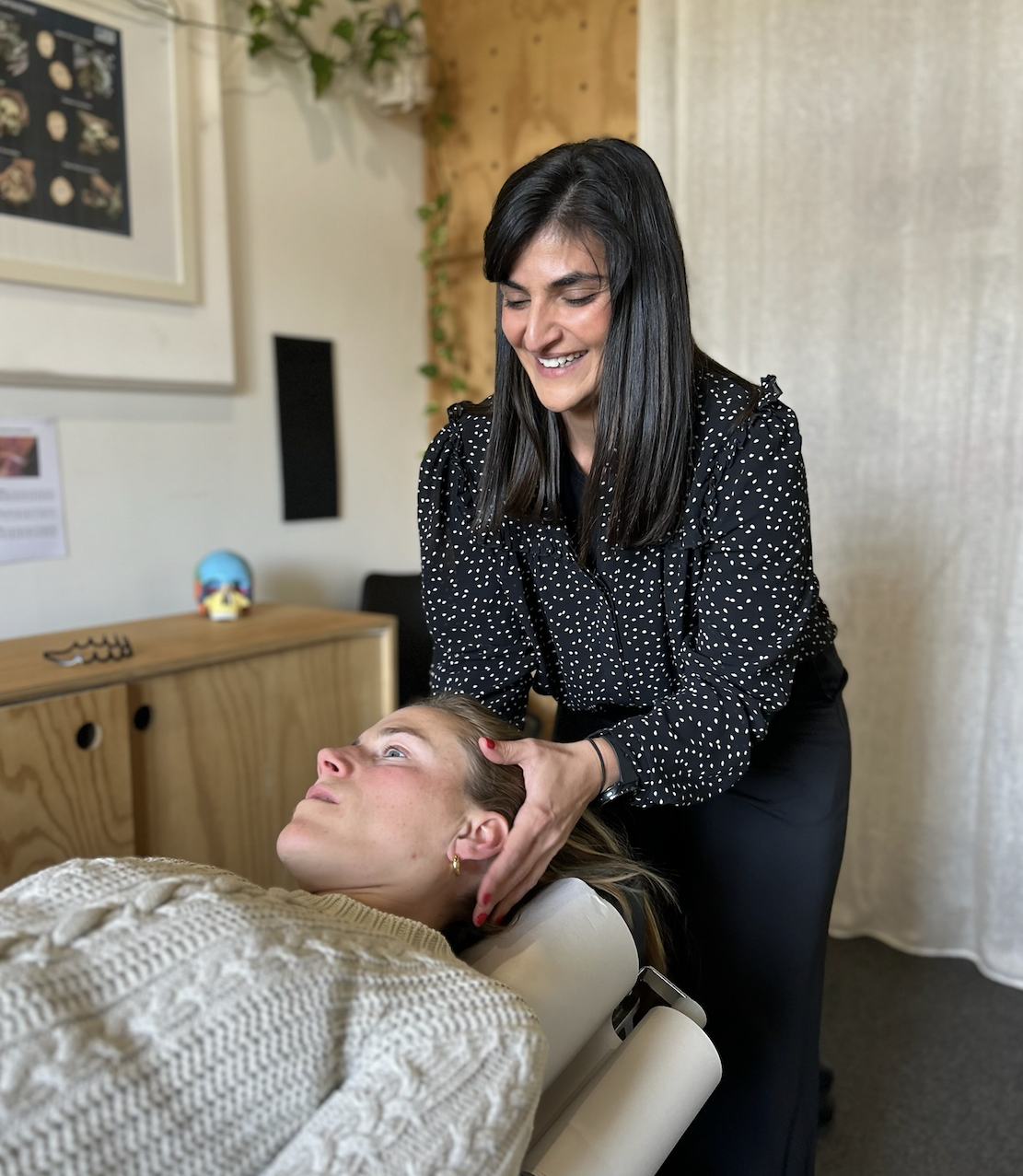
Supporting Headache & Migraine Sufferers Across Sydney’s North Shore
Our Mosman chiropractic clinic supports adults from Mosman, Neutral Bay, Cremorne, Cammeray, Balmoral, Northbridge and surrounding North Shore suburbs seeking natural support for headaches, migraines and neck-related tension.
✔ Convenient Mosman location
✔ Close to public transport and parking
✔ Flexible appointment times
Searching for a chiropractor near Mosman? You’re in the right place.
Headache Relief With A Whole-Body Approach
If headaches or migraines are affecting your focus, energy and quality of life, identifying the underlying contributors matters. At Nomad Chiropractic, we provide personalised, evidence-informed chiropractic care designed to help adults better understand and manage the physical and lifestyle factors contributing to recurring headaches and migraines.
Stop Letting Headaches Disrupt Your Life
Recurring headaches can impact your focus, energy and quality of life. Our team can help assess what may be contributing and create a personalised plan tailored to your needs.
Personalised, evidence-informed care tailored to your symptoms and goals.
Support your body between visits
Follow along for simple, practical tips on pregnancy, baby development, posture and nervous system health.
👉 Follow along for tips:
Trusted by families across Mosman, Sydney’s North Shore and Northern Beaches.