
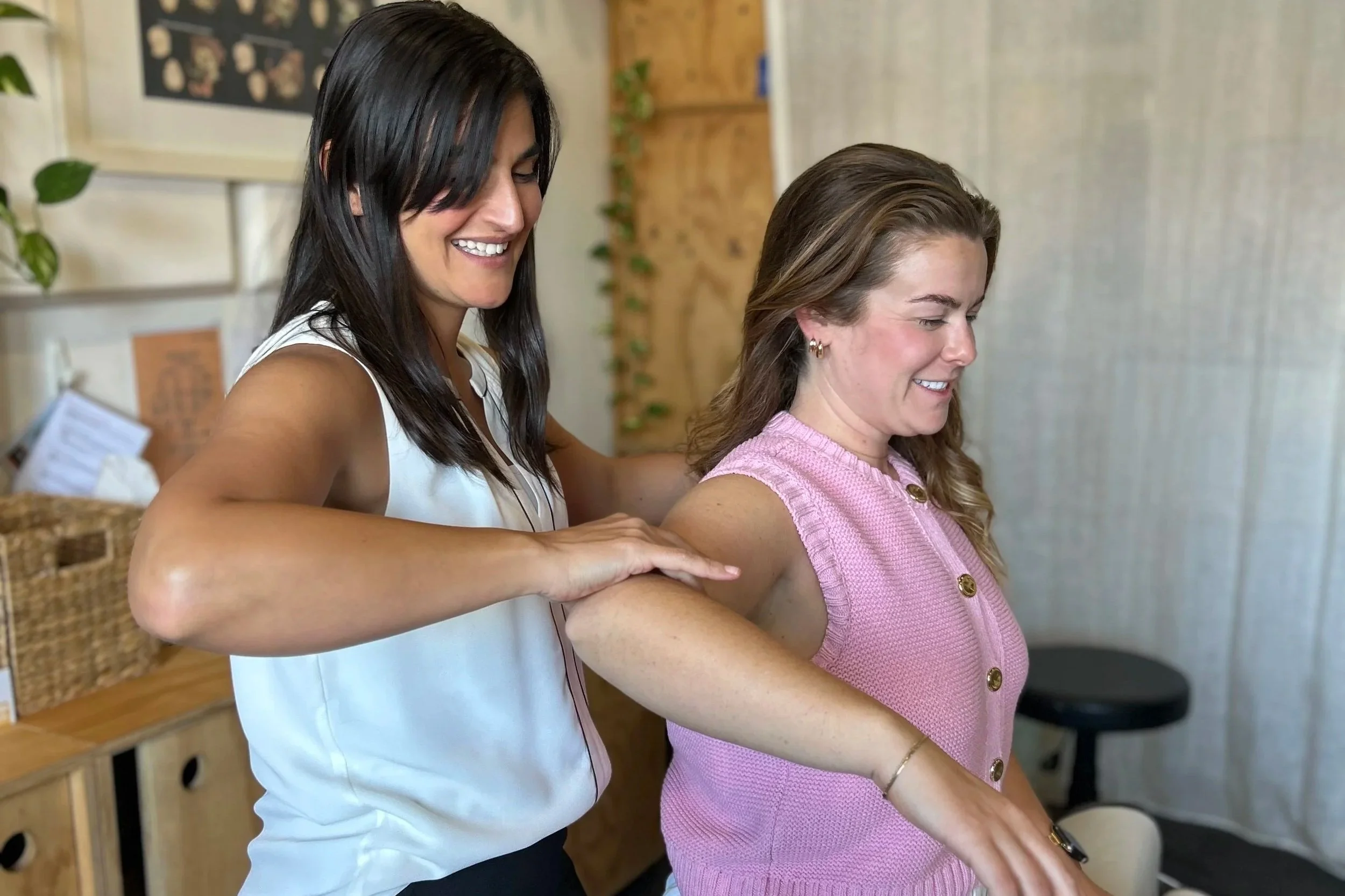
Shoulder Pain & Chiropractic Care in Mosman on Sydney’s North Shore
Supporting mobility, reducing strain, and helping restore confident, comfortable movement.
Shoulder pain is rarely just a shoulder problem.
It often reflects how the spine, shoulder blade, ribs, and nervous system are working together. At Nomad Chiropractic Mosman, we take a whole-body, neurologically-focused approach to shoulder pain—supporting mobility, reducing strain, and helping restore confident, comfortable movement.
Nomad Chiropractic provides neurologically-focused chiropractic care for adults in Mosman, Sydney’s North Shore and Lower Northern Beaches.
We commonly help adults with lower back pain, neck pain, headaches and migraines, postural strain, work-from-home discomfort, sports and exercise-related injuries, TMJ tension, and stress-related nervous system overload.
Our approach looks beyond short-term pain relief, focusing on how the spine and nervous system influence movement, recovery, stress resilience, and long-term function—supporting adults through work demands, training, parenting, and everyday life.
Shoulder Pain & Chiropractic Care
What causes shoulder pain?
Shoulder pain is often caused by a combination of joint restriction, muscle overload, postural strain, and nervous system stress. The shoulder relies heavily on the spine, ribs, and shoulder blade for proper movement, so dysfunction elsewhere can drive ongoing pain or stiffness.
Can chiropractic help shoulder pain?
Yes. Chiropractic care helps improve spinal and shoulder mechanics, restore joint motion, reduce muscle guarding, and improve nervous system coordination. This supports better movement, reduced pain, and long-term shoulder health.
What conditions can chiropractic support?
Chiropractic care may support rotator cuff pain, shoulder impingement, frozen shoulder, bursitis, postural shoulder pain, and age-related stiffness when care is tailored to the individual.
Our Chiropractic Approach to Shoulder Pain
At Nomad Chiropractic Mosman, we take a neurologically-informed, whole-body approach to shoulder pain.
We don’t just ask, “Where does it hurt?”
We ask, “Why is the shoulder compensating?”
-
We assess:
Shoulder joint mobility
Scapular movement and control
Cervical and thoracic spine function
Rib cage mechanics
Postural patterns
Nervous system tone and movement confidence
This helps identify the true drivers of shoulder overload.
-
Gentle, targeted adjustments may be applied to:
The cervical spine
The upper thoracic spine
The ribs
The shoulder girdle (when appropriate)
The goal is to:
Restore normal joint motion
Improve sensory input to the brain
Reduce protective muscle tension
Support coordinated movement
-
May include:
Myofascial release
Active Release Techniques (ART)
Dry needling (when appropriate)
Red laser
This helps reduce adhesions, improve circulation, and restore tissue glide.
-
Chronic shoulder pain is often linked to sympathetic (fight-or-flight) dominance.
Care aims to:
Reduce nervous system overload
Improve movement confidence
Support better recovery and sleep
This is especially important in frozen shoulder and chronic cases.
-
Movement is medicine — when it’s appropriate.
We provide:
Stage-specific exercises
Scapular stability work
Thoracic mobility drills
Progressive loading strategies
Clear guidance on what not to push too early
Consistency matters more than intensity.

Shoulder Pain & Chiropractic Care in Mosman
A Nervous-System-Focused, Whole-Body Approach to Shoulder Health
Shoulder pain is one of the most common reasons people seek care — yet it’s also one of the most misunderstood areas of the body.
At Nomad Chiropractic Mosman, we see shoulder issues across all life stages: desk workers with aching shoulders, active adults with rotator cuff pain, women navigating hormonal changes, seniors with stiffness and loss of mobility, and people recovering from injury or surgery.
What many people don’t realise is this:
👉 The shoulder rarely acts alone.
True shoulder health depends on how well the spine, ribs, shoulder blade, nervous system, posture, and movement patterns are working together. This page explains common shoulder conditions, why pain often persists, and how chiropractic care fits into a modern, evidence-informed approach to recovery and prevention.
Nomad Chiropractic is known for helping adults from the North Shore & Northern Beaches with back pain, neck pain, headaches, TMJ/TMD, posture-related pain, sports & exercise, and nervous system overload.
Understanding the Shoulder: Why It’s So Vulnerable
The shoulder is the most mobile joint in the body — and that mobility comes at a cost.
Unlike the hip, which is deeply stabilised by bone, the shoulder relies heavily on:
Muscles and tendons (especially the rotator cuff)
The shoulder blade (scapula)
The rib cage
The cervical and thoracic spine
Precise nervous system control
When any part of this system isn’t functioning well, the shoulder often becomes painful, stiff, or unstable.
This is why shoulder pain can:
Persist despite rest
Return after temporary relief
Shift locations
Worsen at night or with certain movements
Why Shoulder Pain Often Persists
Many people treat the shoulder in isolation — icing it, stretching it, strengthening it — without addressing why it’s overloaded in the first place.
Persistent shoulder pain often involves:
Poor spinal mobility (neck or upper back)
Rib cage stiffness
Altered shoulder blade mechanics
Nervous system stress and muscle guarding
Reduced proprioception (joint position awareness)
This is where chiropractic care plays a valuable role.
Common Shoulder Conditions We See
-
The rotator cuff is a group of muscles that stabilise and guide shoulder movement.
Common features include:
Pain with lifting or reaching
Weakness or fatigue
Discomfort when lying on the shoulder
Pain that develops gradually rather than suddenly
Often linked to repetitive use, posture, or altered shoulder mechanics.
-
Occurs when tendons or bursae are compressed during arm movement.
Common signs:
Sharp pain when lifting the arm overhead
Painful arc between 60–120 degrees
Reduced tolerance to exercise or work tasks
Impingement is frequently influenced by poor scapular movement and upper-back stiffness.
-
Characterised by progressive stiffness, pain, and loss of range of motion.
Often associated with:
Women aged 40–65
Diabetes or thyroid conditions
Hormonal changes
Stress and prolonged immobilisation
Frozen shoulder is not just a local joint issue — it involves the nervous system, connective tissue, and systemic inflammation.
🌸 Learn more about Frozen Shoulder here
-
Inflammation of the fluid-filled sacs that cushion the shoulder.
Symptoms may include:
Swelling
Pain with movement
Night pain
Tenderness to touch
Often coexists with rotator cuff irritation or impingement.
-
Includes osteoarthritis and inflammatory arthritis.
Common in:
Older adults
Post-traumatic cases
People with long-standing joint stress
Focus shifts toward mobility, comfort, and nervous system regulation rather than “fixing” degeneration.
🌸 Learn more about how we help older adults here
-
Very common in desk workers and phone users.
Associated with:
Rounded shoulders
Forward head posture
Upper-back stiffness
Neck and jaw tension
Posture is not about “sitting up straight” — it’s about how the nervous system organises movement.
🌸 Learn more about Posture here
When to Seek Help for Shoulder Pain
Consider professional care if:
🌸 Pain lasts longer than 2–3 weeks 🌸 Shoulder movement continues to decline 🌸 Night pain disrupts sleep
🌸 Pain returns repeatedly 🌸 You’re avoiding movement out of fear.
Early intervention improves outcomes.
Why Choose Nomad Chiropractic?
Expertise in Shoulder Disorders
Our chiropractors are experienced in working with active individuals, busy parents, and those seeking natural solutions to shoulder pain.
Holistic Approach
We consider the interconnectedness of the body's systems to provide comprehensive care. At Nomad, we take the time to understand your full story—not just your symptoms.

Collaborative Care
We work alongside your health team to ensure all aspects of shoulder disorders are addressed. We’re not just adjusting your body—we’re helping you rediscover your natural rhythm, rebuild strength, and regain confidence in your movement.

Patient-Centered Care
Your comfort and health goals guide our treatment plans. Our space in Mosman is warm, family-friendly, and focused on helping you thrive.
Sydney Shoulder Chiropractic Frequently Asked Questions
-
Yes. Chiropractic care can improve spinal, rib, and shoulder mechanics, reduce nervous system tension, and support better shoulder movement and recovery.
-
Yes. We support frozen shoulder with gentle, stage-appropriate care focused on mobility, nervous system regulation, and progressive rehabilitation. Learn more here
-
Care is tailored to the individual, condition, and stage of injury. Gentle techniques are used, and referrals are made when necessary.
-
Often yes. Chiropractic care works best alongside appropriate movement and rehabilitation strategies.
-
If pain persists, movement is restricted, or you want proactive care before symptoms worsen, an assessment is recommended. The earlier you seek help the better.
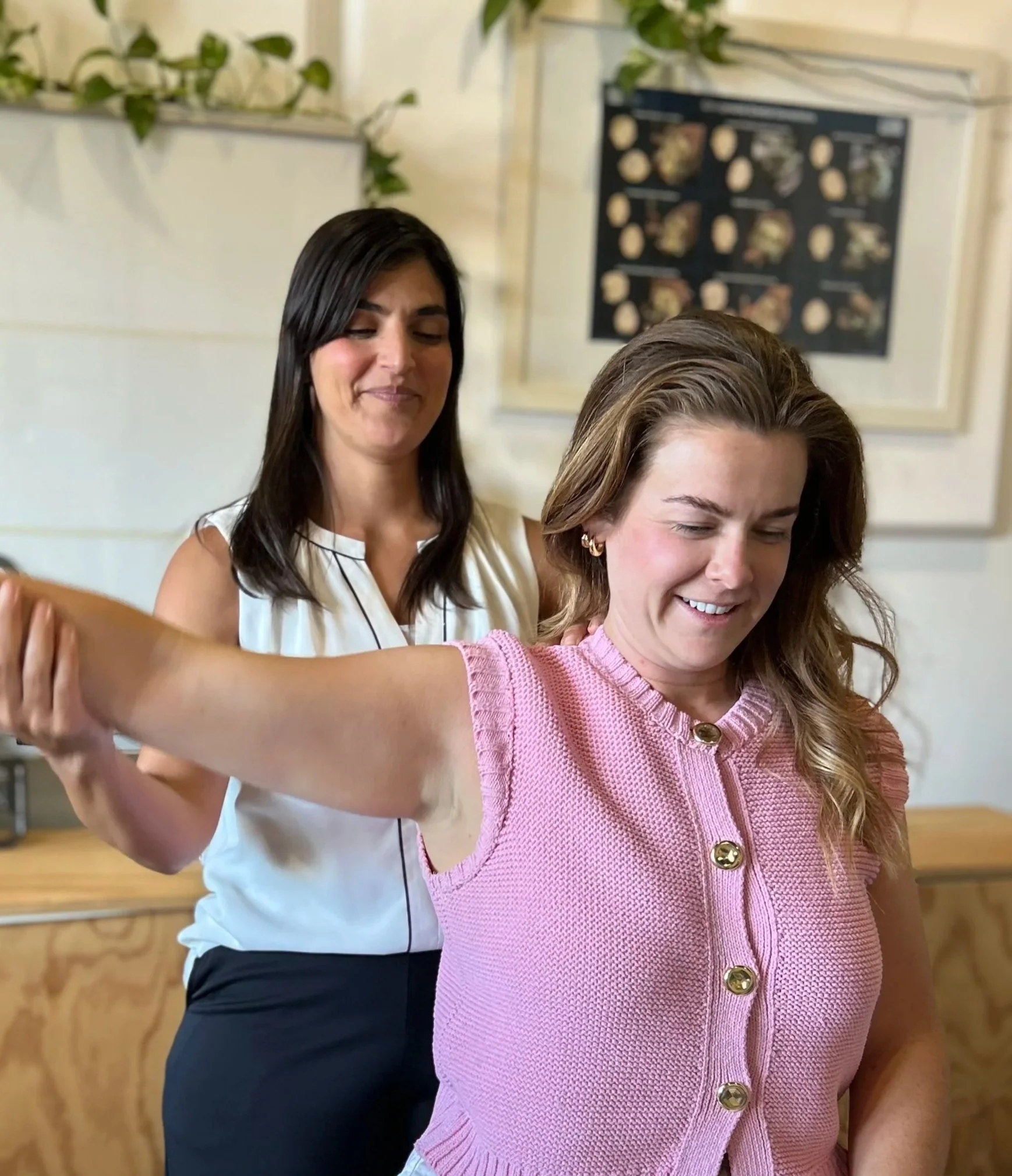
Shoulder Pain Chiropractic Care in Mosman
Nomad Chiropractic is located in Mosman and supports adults across Sydney’s North Shore and Northern Beaches with shoulder pain, stiffness and movement restriction. Care focuses on spinal, shoulder and postural mechanics to support comfortable, functional movement.
-
Neer CS. Impingement lesions. J Bone Joint Surg.
Lewis J. Rotator cuff related shoulder pain. Br J Sports Med.
Neviaser AS, Hannafin JA. Adhesive capsulitis. Am J Sports Med.
Kelley MJ et al. Shoulder pain and mobility deficits. JOSPT.
Haavik H, Murphy B. Sensorimotor integration and spinal manipulation.
Pickar JG. Neurophysiology of spinal manipulation. Spine J.
McGill SM. Low Back Disorders. Human Kinetics.
Woolf CJ. Central sensitisation. Pain.
Seidler RD et al. Motor control and ageing. Neurosci Biobehav Rev.
NIH. Shoulder disorders overview.
-
The information on this page is provided for general educational purposes only and is not intended as a substitute for professional medical advice, diagnosis, or treatment. Chiropractic care does not claim to cure medical conditions. Individual outcomes may vary, and care is tailored to each person’s presentation. If you have persistent, worsening, or severe symptoms, or a known medical condition, please seek advice from your GP or appropriate healthcare provider.
Book a Shoulder & Movement Assessment at Nomad Chiropractic Mosman
and let’s support your shoulder — and the system behind it — with care that makes sense.
Support your body between visits
Follow along for simple, practical tips on pregnancy, baby development, posture and nervous system health.
👉 Follow along for tips:
Trusted by families across Mosman, Sydney’s North Shore and Northern Beaches.