

Tongue Tie Support in Mosman
Baby Feeding & Body-Based Care
Gentle, nervous system-focused chiropractic care to support babies with feeding challenges — before and after tongue tie release.
Trusted by families across Mosman, Neutral Bay, Cremorne and Sydney’s North Shore and Northern Beaches for baby feeding support, tongue tie care and collaborative, whole-body treatment.
Early support can make a big difference in feeding, comfort and development.
Tongue tie (tethered oral tissues) can affect feeding, digestion, sleep and development in babies and children. At Nomad Chiropractic in Mosman, we support families with tongue tie concerns through gentle, nervous system-focused chiropractic care.
We commonly work alongside lactation consultants and tongue tie practitioners to help prepare babies for release procedures and support recovery afterwards. If you’re looking for tongue tie support in Sydney’s North Shore or Northern Beaches, our team provides tailored care to help your baby feed, settle and thrive.
Tongue Tie Support in Mosman, Sydney
If feeding feels hard, painful or just not quite right — you’re not imagining it.
Many of the families we see at Nomad Chiropractic come in feeling unsure, overwhelmed or told to “wait it out”… when deep down, they know something isn’t working.
Tongue tie (also known as tethered oral tissues) can impact how a baby feeds, settles and develops — but it’s rarely just about the tongue.
👉 At Nomad Chiropractic in Mosman, we look at the whole picture — the mouth, the body, and the nervous system — to help you understand what’s going on and what to do next.
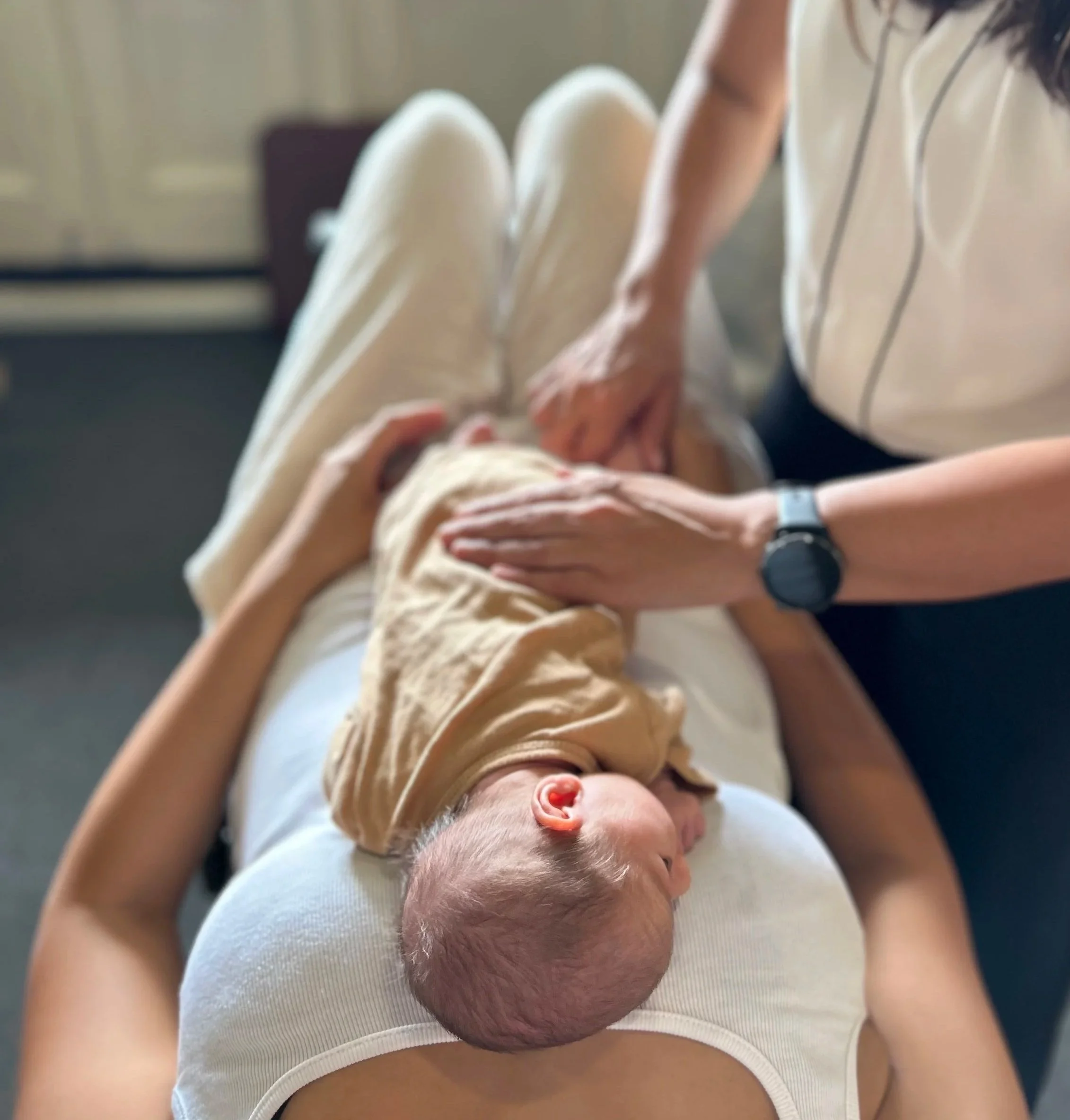
Not all feeding challenges are caused by a tongue tie — and not all tongue ties behave the same.
Signs Your Baby May Have a Tongue Tie
Difficulty latching or staying latched
Clicking or leaking milk during feeds
Painful breastfeeding or nipple damage
Long feeds but still hungry
Lip blisters or poor suction
Slow weight gain
👉 Many families are told these things are “normal” — but often, they’re signs of an underlying functional issue.
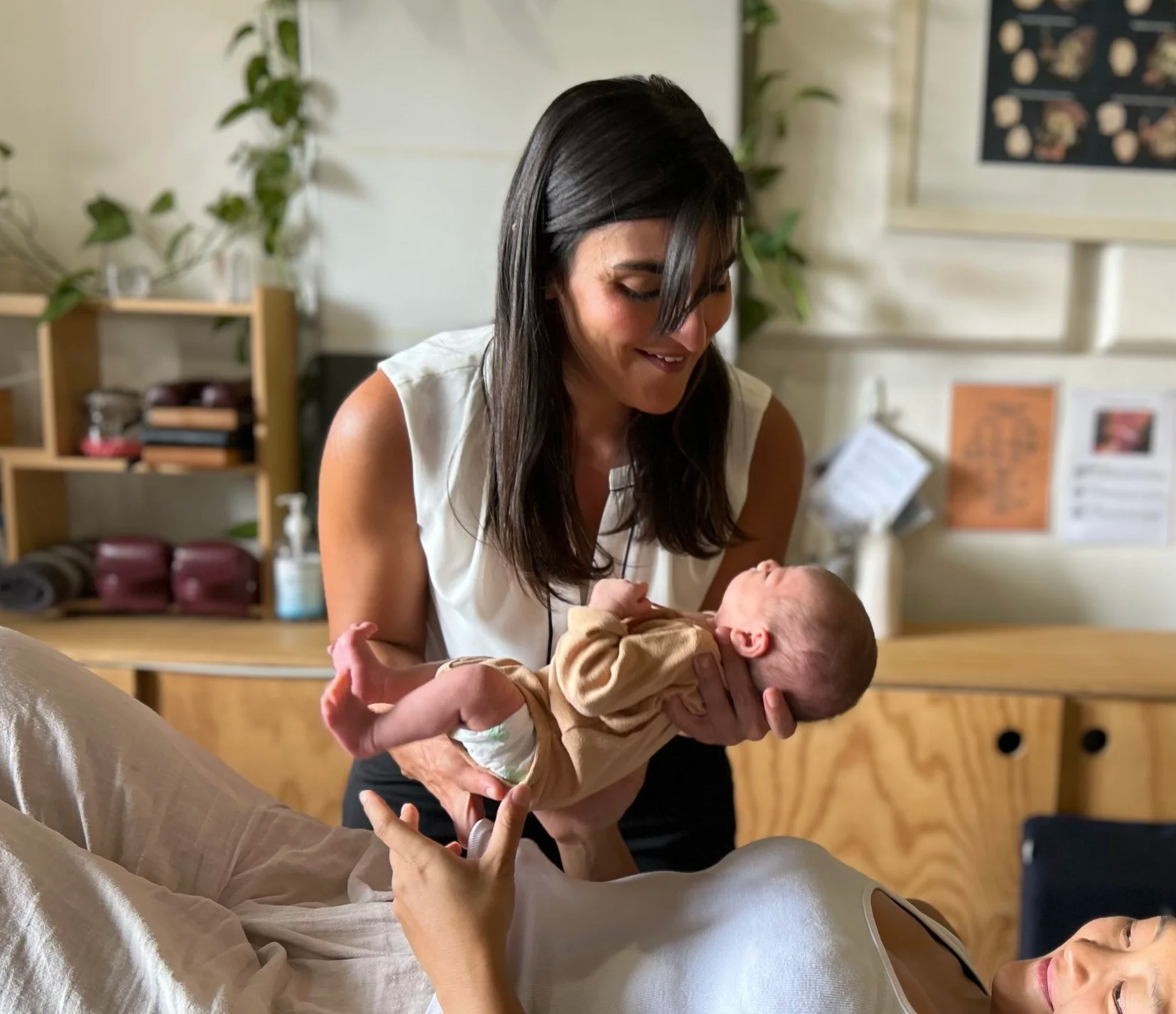
Not all tongue tie presentations reflect true restriction.
Some feeding difficulties are driven by neuromuscular tension related to in-utero positioning or birth dynamics
…. you might’ve been told it’s a tongue tie, it might look like a tongue tie, but it might not be a tongue tie….
The Missing Piece: Why the Body Matters
Tongue tie is often treated as a mouth problem.
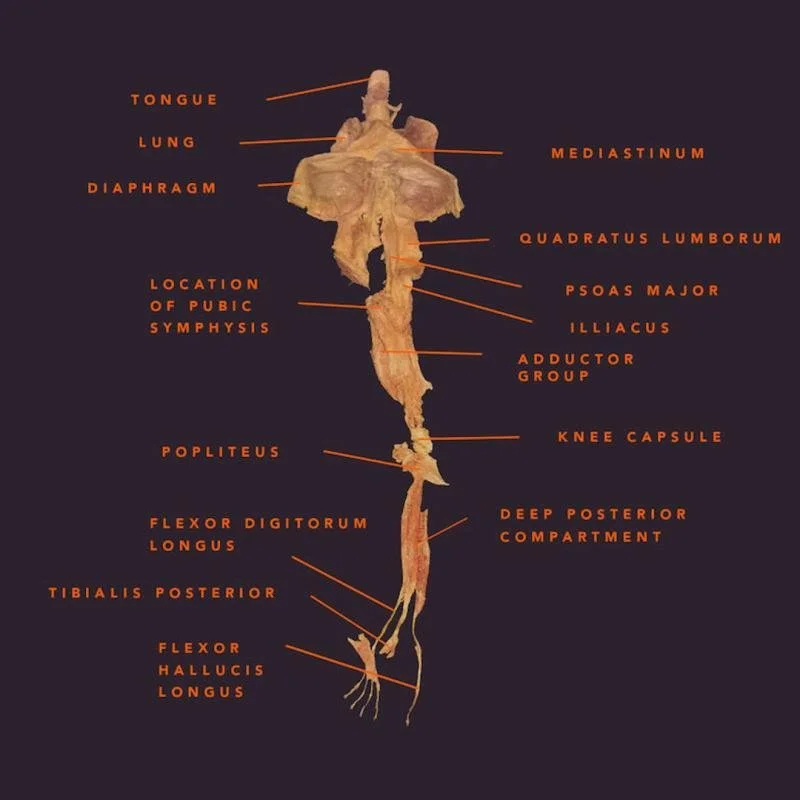
But in reality, babies with tethered oral tissues frequently also have:
Tension through the neck, jaw and shoulders
Tension throughout the spine and pelvis
Compensatory movement patterns
Nervous system stress
Difficulty coordinating sucking, swallowing and breathing
This is why some babies:
Struggle before a release
Or continue to struggle after one
👉 Because the body hasn’t adapted.
At Nomad Chiropractic, we focus on reducing tension, improving movement and supporting the nervous system — so feeding can become more coordinated and comfortable.
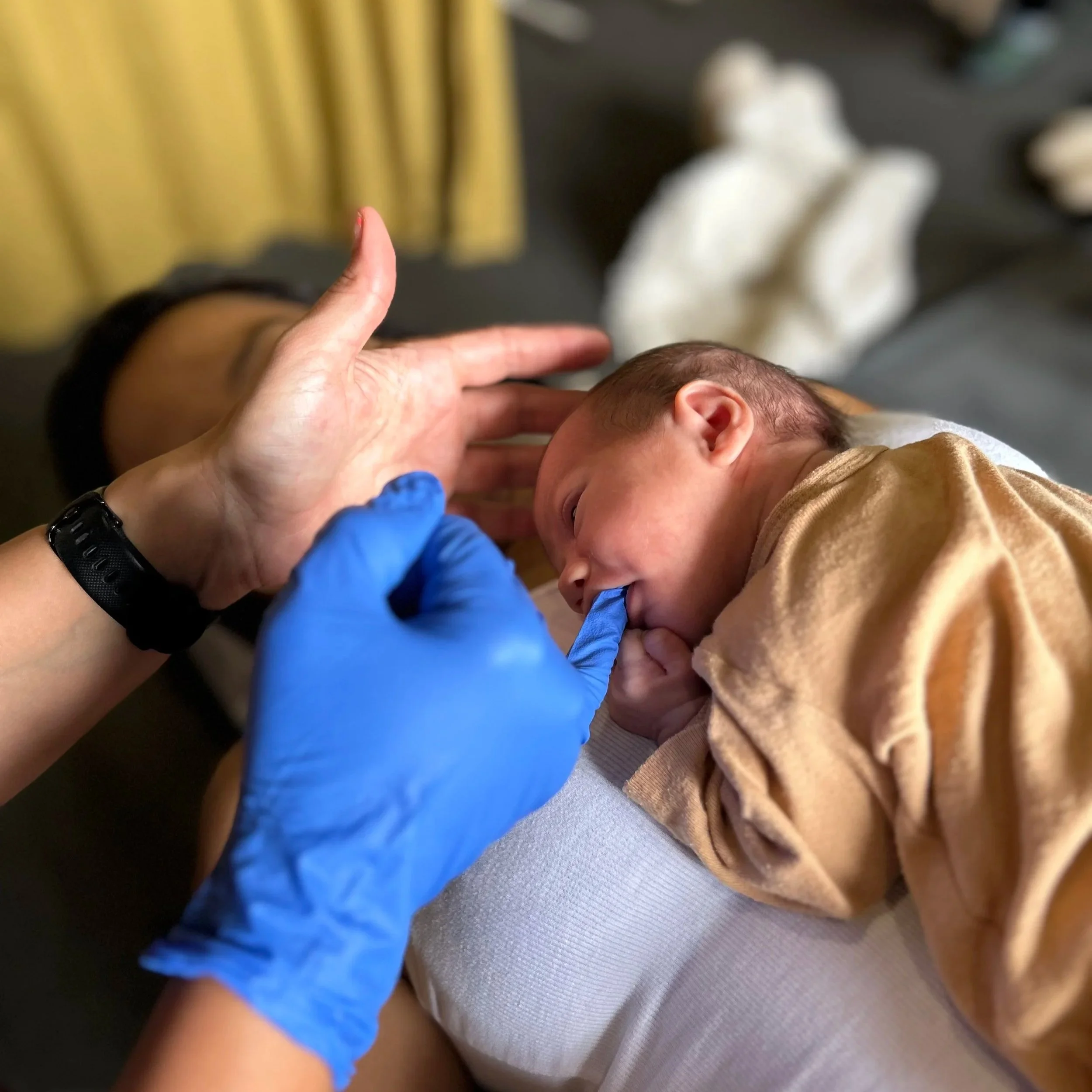
It’s not just about releasing the tongue — it’s about helping the body use it.
Before a Tongue Tie Release
If you’ve been told your baby may need a release, preparing the body can make a significant difference.
We help:
Reduce tension through the cranium, jaw, neck, shoulders and diaphragm
Reduce associated spinal and pelvic tension
Improve latch mechanics
Support nervous system regulation
Help your baby feel more settled and coordinated
👉 This can improve feeding and create a smoother experience if a release is needed.
After a Tongue Tie Release
This is where many families feel stuck.
Even after a successful procedure, babies may still:
Struggle to latch
Feed inefficiently
Remain unsettled
Because → the body hasn’t yet learned how to use the new movement.
We support:
Re-integration of tongue function
Feeding coordination
Reduction of compensatory patterns
Settling and sleep
👉 This is often the difference between short-term change and lasting improvement.
Feeling unsure?
Give us a call!
Care is tailored to each baby and techniques used are so gentle… it’s likened to checking the ripeness of a piece of fruit.

Not Sure If It’s Tongue Tie?
If you’re noticing feeding challenges but aren’t sure why, a tongue tie assessment can help clarify what’s going on.
Even when a tongue tie is present, symptoms are often influenced by body tension, positioning, and nervous system regulation, which is where chiropractic care can play a role.
The Nomad Difference for Tongue Tie
At Nomad Chiropractic, our approach is gentle, specific and tailored to your baby.
The Nomad Approach to Tongue Tie
We look beyond the tongue — assessing the whole body
We focus on tension, movement, and nervous system regulation
We support feeding comfort, not just structure
We help guide next steps — without pressure
We use a combination of:
Cranial and sacro-occipital techniques (SOT)
Low-force chiropractic adjustments
Nervous system-focused care
Soft tissue and movement-based support
Our chiropractors have additional training in paediatric care, including tethered oral ties (TOTs) through the International Chiropractic Pediatric Association, Peak Potential Insitute, Academy of Functional Paediatrics and The Australian College of Chiropractic Paediatrics
We also work alongside:
Lactation consultants (IBCLCs)
Paediatric Dentists
Paediatricians
Speech Theraptists and Orofacial Myologists
Because the best outcomes happen when care is collaborative.

You don’t need to figure this out alone — we guide you through it.
Tongue Tie Support in Mosman, Sydney
Nomad Chiropractic is based in Mosman and supports families across: Mosman, Neutral Bay, Cremorne, Balmoral, Manly, Balgowlah, Brookvale and surrounding North Shore and Northern Beaches suburbs.
If you’re searching for:
tongue tie support Sydney
breastfeeding help Mosman
baby chiropractor near me
does my baby have a posterior tongue tie?
Our team provides experienced, gentle care focused on helping your baby feed, settle and thrive.
When Should You Get Your Baby Checked?
Feeding is painful or stressful
Your baby seems unsettled or gassy
You’ve been told to “wait and see”
A tongue tie has been mentioned
Feeding hasn’t improved despite support
👉 Most families wait longer than they need to — but early support can make a big difference.
If feeding isn’t improving, it’s worth having your baby assessed.
Gentle, thorough and tailored to your baby.
No pressure, just answers.
What to expect at Nomad Chiropractic for a Tongue Tie Assessment
-
Initial Consultation
45mins
We take the time to understand your baby’s feeding journey — not just symptoms, but the full picture.
This includes:
- Feeding history (breast or bottle)
- Latch quality and positioning
- Sleep, settling and digestion
- Birth history and early developmentWe then perform a gentle, hands-on assessment looking at:
- Jaw, tongue and oral function
- Neck mobility and tension
- Cranial motion
- Body alignment and movement patterns
- Nervous system regulation👉 This helps us understand not just if a tongue tie is present — but how it’s affecting your baby’s feeding and comfort.
-
Report of Findings
30mins
At your second visit, we walk you through everything we’ve found in a clear, simple way.
You’ll understand:
- What’s contributing to feeding challenges
- Whether a tongue tie may be playing a role
- How your baby’s body is compensating
- What your options are moving forwardIf needed, we’ll guide you on:
- Whether to consider a tongue tie assessment with a lactation consultant and dentist
- How to prepare for a release
- What support will help your baby most👉 No pressure, no overwhelm — just clear answers and a plan.
-
Regular Appointments
15mins
Care is tailored to your baby and where you are in the journey — before or after a tongue tie release.
We focus on:
- Reducing tension in the jaw, neck, cranium, shoulders and body
- Supporting feeding coordination
- Improving comfort, settling and sleep
- Helping your baby adapt and integrate changesCare is gentle, specific and evolves as your baby progresses.
👉 The goal isn’t just short-term improvement — it’s helping your baby feed, grow and develop with ease.
Many parents come in unsure if it’s tongue tie — and leave with clarity, confidence and a plan.
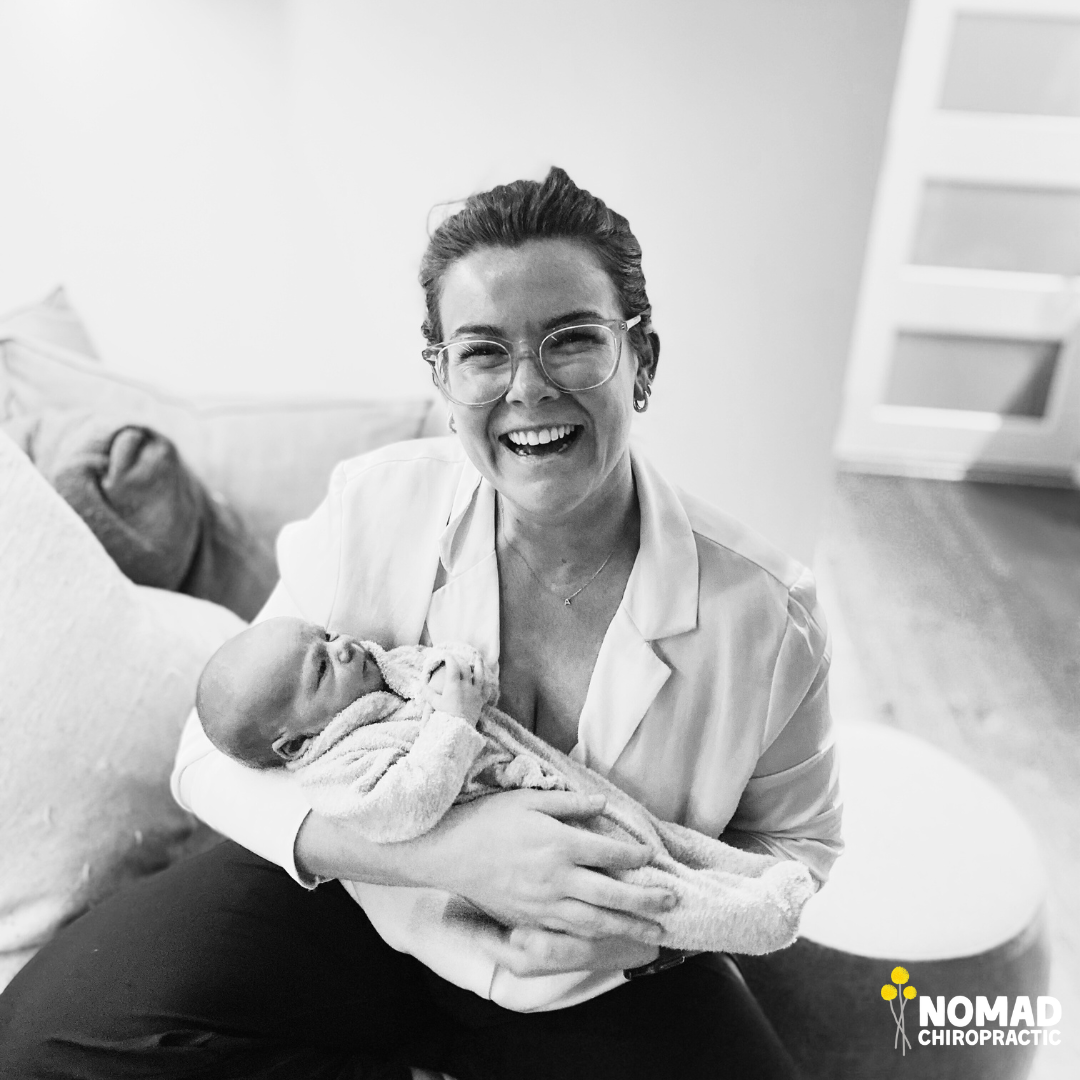
Feel supported through tongue Tie
Our team of caring, dedicated chiropractors in Mosman will be with you and your family every step of the way through your tongue tie, lip tie, buccal tie journey.
Helping you to navigate through what can be a difficult time
We’re a trusted choice for families searching for tongue tie assessment near them across Sydney’s Lower North Shore and Lower Northern Beaches. 👉 We work with tongue tie every day.

It takes a Tribe
We will work collaboratively with whomever you need to help you and your baby with their tongue tie. Lactaction Consultants (IBCLCs), Dentists, Paediatricians, Speech Pathologists, Physios, Osteos… you name it. We’re all for collaboration. they’re only a text message away when it comes to you and your baby.
Sydney Tongue Tie Chiropractic Frequently Asked Questions
-
Chiropractors do not diagnose tongue tie, but we assess feeding function, tension patterns and movement, and can refer to appropriate providers if needed.
-
Chiropractic care doesn’t “release” the tie, but supports the body, nervous system and feeding function before and after treatment.
-
Yes — preparing the body can improve feeding and help your baby adapt more easily.
-
Often due to unresolved tension or compensations. Supporting the body post-release is key.
-
Yes — care is extremely gentle, using light pressure tailored specifically to infants.
Learn more here
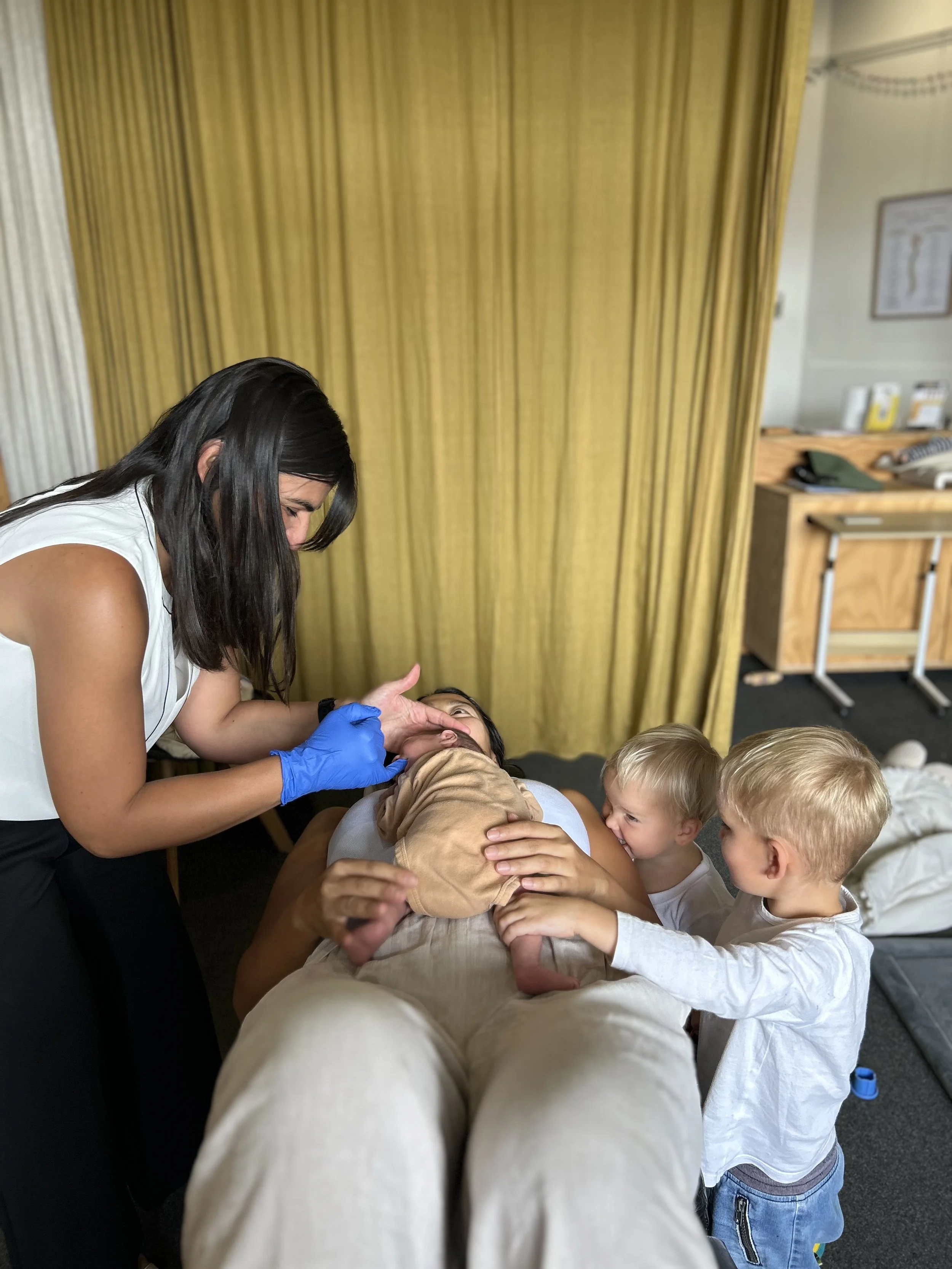
Supporting Families Through Tongue Tie in Mosman
Based in Mosman, Nomad Chiropractic supports families across the North Shore and Northern Beaches navigating feeding challenges, tongue tie concerns and early development.
Many parents find us when things don’t feel right — whether that’s painful feeding, an unsettled baby or uncertainty around a possible tongue tie.
We’re here to help you understand what’s going on and guide you through the next steps with clarity and support.
Tongue tie can affect feeding, comfort and development - but it’s rarely just about the tongue. At Nomad Chiropractic in Mosman, we provide gentle, whole-body andnervous system support for babies before and after tongue tie release, helping improve feeding, reduce tension and support nervous system regulation.
Serving families across Sydney’s North Shore and Northern Beaches.
Not Sure If It’s Tongue Tie? That’s Exactly Why We’re Here.
Most parents don’t come in with a diagnosis -
they come in because something doesn’t feel right.
If your baby is struggling with feeding, unsettled, or things just aren’t improving - we can help you understand what’s going on.
👉 The earlier we assess, the easier it is to support change.
Trusted by families across Mosman, Neutral Bay, Cremorne, Manly, Balgowlah, Brookvale and surrounding suburbs of Sydney’s North Shore & Northern Beaches
Support your body between visits
Follow along for simple, practical tips on pregnancy, baby development, posture and nervous system health.
👉 Follow along for tips:
Trusted by families across Mosman, Sydney’s North Shore and Northern Beaches.