
How Often Should You See a Chiropractor? A Research-Backed Guide to Spinal Health and Long-Term Wellbeing
(Insights from Dr James Chestnut’s Research Analysis - Lower Back Pain Focus)
By Nomad Chiropractic | Mosman, Sydney
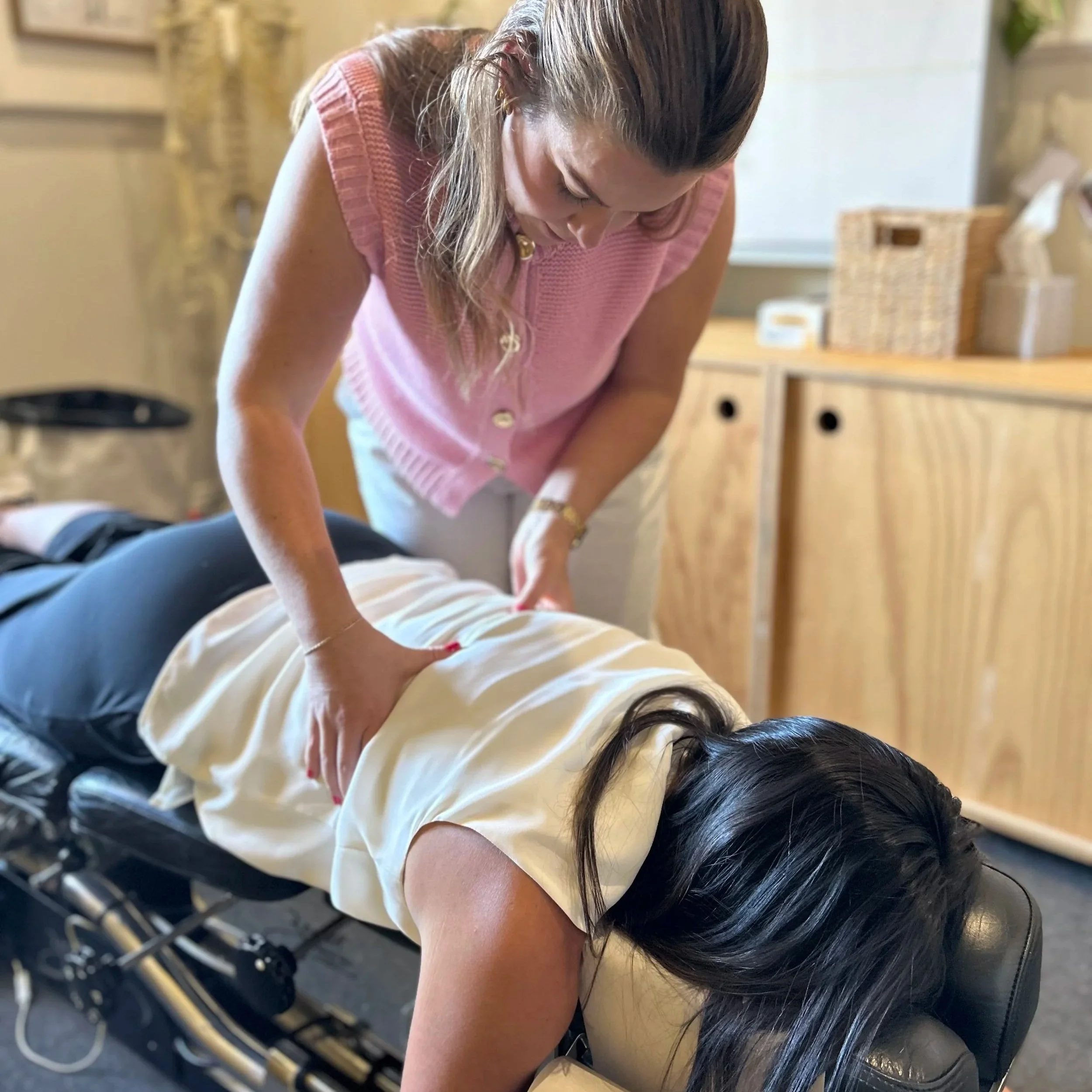
Why Frequency Matters More Than You Think
One of the most common questions we hear at Nomad Chiropractic is:
“How often should I come in for chiropractic care?”
It’s a great question — and the answer is more meaningful than simply “when it hurts.”
Your spine and nervous system don’t operate on a quick-fix cycle. They work through patterns, adaptation, repetition, and long-term behaviour.
Whether you’re dealing with chronic low back pain, recurring stiffness, postural fatigue from long hours at a desk, or you simply want to stay mobile and active, the frequency of your chiropractic care plays a crucial role in how well you improve — and how long those improvements last.
This blog blends the latest chiropractic scheduling research with our Nomad care philosophy to help you understand:
Why early consistency matters
What the science actually says about visit frequency
Why maintenance care supports long-term outcomes
How we shape your individual plan
When you may need more or fewer appointments
How lifestyle in Mosman, the Lower North Shore & Northern Beaches affects spinal health
And most importantly — how you can take charge of your wellbeing with a schedule that makes sense for your body.
Understanding Chronic Low Back Pain Through a Functional Lens
Chronic low back pain is rarely caused by a single event. More often, it’s the result of a gradual change in the way your spine moves and the way your nervous system responds over months or years.
You may notice:
Stiffness when you wake up
Tightness toward the end of the day
Difficulty sitting or standing for long periods
A “fragile” feeling in your back
Recurring episodes that come and go
These patterns commonly fall under non-specific mechanical low back pain, meaning the issue is mechanical rather than structural:
Changes in joint motion
Altered muscle tone
Poor loading strategies
Compensatory patterns
Heightened sensitivity from the nervous system
Because these patterns develop slowly, they also take consistent, repeated input to change — which is the basis of chiropractic scheduling.
What the Research Says About Visit Frequency
Two key studies help guide how chiropractors around the world — including us at Nomad — structure care for chronic low back pain.
1. The Dose–Response Study: Haas et al., Spine Journal (2014)
This study investigated whether the number of chiropractic adjustments influences outcomes for chronic low back pain. Participants were assigned to receive 0, 6, 12, or 18 visits over 6 weeks.
What they found:
Around 12 visits provided the most meaningful improvement in pain and disability.
Results were better with more frequent care — up to that 12-visit threshold.
The researchers observed a clear “dose–response” effect: the body improves best when adjustments are repeated consistently in the early phase.
Benefits lasted months after care ended, especially for those who had adequate early care.
What this means for you:
The early weeks of care are the most important.
Your spine adapts faster when adjustments are regular and frequent, rather than sporadic or spaced too widely apart.
2. The Maintenance-Care Study: Senna & Machaly, Spine (2011)
After four weeks of intensive chiropractic care (12 visits), participants were split into two groups:
One stopped care completely
One continued with fortnightly maintenance care for nine months
What happened:
The maintenance group continued to improve or stayed stable
The non-maintenance group gradually regressed, losing the progress they’d made
Long-term results were significantly better for those receiving ongoing care
Takeaway:
Once the spine begins to function better, periodic check-ins help maintain the progress and reduce the likelihood of flare-ups.
Why Consistent Chiropractic Care Helps Your Body Adapt
Your spine is deeply connected to your nervous system. When chiropractors adjust restricted joints, we’re not only influencing spinal mobility — we’re also affecting:
Muscle coordination
Body awareness
Postural reflexes
Movement patterns
Stress responses
Like learning a new skill, the nervous system improves through repetition.
Just as you wouldn’t go to the gym once and expect lasting strength, a single adjustment cannot create long-term change.
Consistent sessions at the start create momentum. Maintenance care continues to anchor those changes in the long run.
How We Structure Care at Nomad Chiropractic (Nothing Cookie-Cutter)
While research guides our recommendations, your plan is always personalised. That said, most people follow a pattern that aligns with the evidence:
Phase 1: Corrective Care (First 4–6 Weeks)
Recommended frequency: Approximately 2× per week (10–12 visits)
This matches the “dose–response” research.
The goal is to restore motion, calm irritation, and give the nervous system the repeated input needed to change long-term patterns.
Many clients start noticing improvements in mobility, ease, and daily comfort during this phase.
Phase 2: Stabilisation Phase (6–12 Weeks)
Recommended frequency: Weekly → Fortnightly
Once the spine begins to respond, we shift toward stabilising your improvements.
This is where we reinforce healthier movement patterns and reduce reactivity.
Lifestyle also influences this phase — prolonged sitting, gym training, childcare, or high stress may require more support.
Phase 3: Maintenance & Long-Term Prevention
Recommended frequency: Every 2–4 weeks
This follows the Senna & Machaly study, showing that regular care helps:
Maintain spinal mobility
Reduce relapse risk
Support posture and nervous-system function
Keep pain and stiffness from creeping back
Maintenance doesn’t mean “forever care.”
It means supporting your spine as it supports you — especially if you live a busy, active, or stressful life.
What “How Often Should I Come?” Really Means
When clients ask how often they should come, what they really want to know is:
How do I get the best results?
How long will this take?
Will it last?
The answer depends on:
How long the issue has been present
Your daily habits and physical load
How your nervous system adapts
Your goals: pain relief vs long-term wellbeing
Your overall health, stress, and lifestyle
Your plan might look like:
More frequent visits early
Gradually spacing out
Then maintaining the new pattern with regular tune-ups
It’s a progression — not a prescription.
What You Can Expect When You Stick to the Plan
1. More predictable progress
You feel improvements sooner, and they tend to last longer.
2. Better function, not just less pain
You might notice:
Better mobility
More fluid movement
Better posture
Improved energy
Fewer flare-ups
Easier daily tasks
3. Support for the whole nervous system
Many people describe feeling calmer, more balanced, and more aware of their posture or habits.
4. Fewer setbacks
Maintenance helps “catch” small issues before they become larger ones.
5. Empowerment
You learn more about how your body works and what it needs — and that is powerful.
Local Lifestyle Matters (Mosman, Lower North Shore, Northern Beaches)
Our community has unique spinal-health demands:
Long commutes and desk work
High-pressure careers
Fitness culture (running, pilates, gym, surfing)
Parenting loads
Stress-filled schedules
Highly active outdoor lifestyles
These factors mean spines here work hard — which is exactly why many of our clients find value in regular chiropractic care.
You’re not fragile; you’re simply human.
Your spine adapts to your environment — and regular care helps it adapt well.
Your Schedule Should Support Your Life, Not Constrain It
We work with you, not against your calendar.
Some clients thrive on weekly sessions during busy seasons and move to monthly during quieter times.
Others stay at a consistent rhythm all year.
Your body will tell us what it needs.
Our job is to help you interpret it.
In Summary: How often should you see a chiropractor?
In the early phase:
👉 About twice a week for 4–6 weeks (10–12 visits)
In the stabilisation phase:
👉 Weekly, then fortnightly
For long-term health:
👉 Every 2–4 weeks, depending on your lifestyle and goals
This structure matches what the best research shows — and what we see daily in the clinic.
How Chiropractic Care Can Help
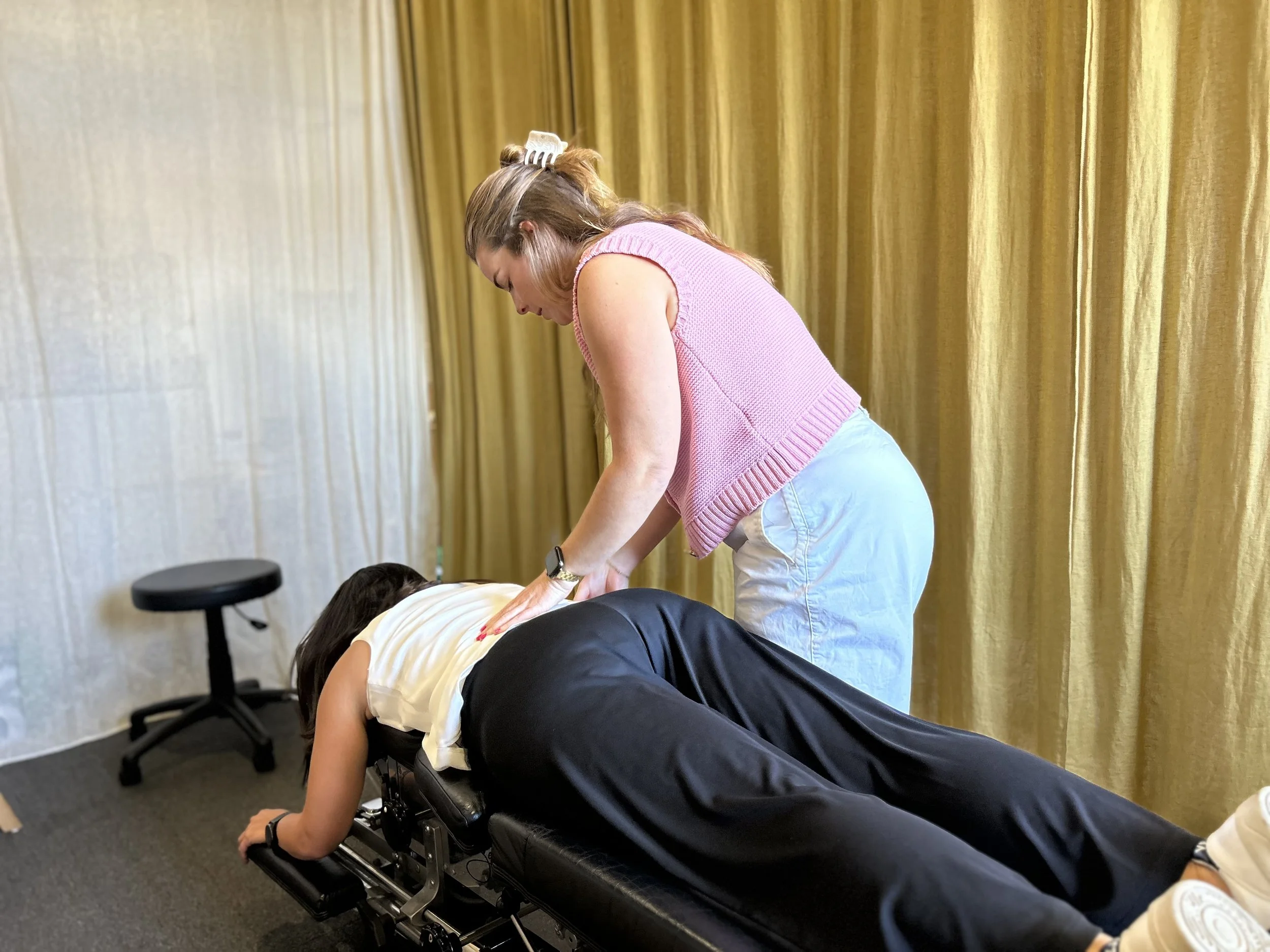
Nomad Chiropractic: What Makes Our Scheduling Unique?
✔ Evidence-informed (we actively use evidence based recommendations for your careplans)
✔ Gentle techniques suitable for all ages
✔ Focus on neurological patterns, not just pain
✔ We re-test often—if you don’t need care, we won’t recommend it
✔ We integrate home exercises, breathing work, and nervous system tools
✔ Family-oriented, from pregnancy → babies → kids → teens → adults
✔ Located conveniently for Mosman, Cremorne, Neutral Bay, Northbridge, and North Shore families. Also near to Manly, Freshwater, Queenscliff and Lower Northern Beaches families.
The Nomad Difference
At Nomad Chiropractic, we combine:
Research-informed scheduling (Haas 2014; Senna & Machaly 2011)
Gentle, safe, client-tailored techniques appropriate for all ages (babies → seniors)
Regular re-evaluation — we don’t force care. If you don’t need it, we don’t recommend it
Movement advice, home exercises, posture and lifestyle support
A collaborative, transparent process — you’re always in control
Our goal isn’t “treatment forever.” It’s to help you build stable, sustainable spinal health — so your back supports your life, not limits it.
Homecare Movement Tips
📲 FOLLOW SANDY ON SOCIALS! She gives heaps of Homecare intentional movement tips.
👉[Facebook]
👉[Instagram]
Frequently Asked Questions
Do I need to see a chiropractor forever?
No — but many people choose maintenance care because it helps them feel and function their best.
What if I only want short-term relief?
We can absolutely work that way — your goals drive your plan.
How quickly will I notice changes?
Some people feel different after a few visits, but long-term improvements come with consistency.
Does maintenance work for everyone?
Not always — but research shows it helps many people maintain stability and reduce recurrence.
Is this safe?
Chiropractic care is considered low risk for most people. We always assess you thoroughly before recommending anything.
Want to learn more? Book a FREE 15min discovery call with one of our North Shore Chiropractors today: Book HERE
-
Haas M., et al. Dose–Response and Efficacy of Spinal Manipulation for Chronic Low Back Pain. Spine Journal. 2014.
Senna M., Machaly S. Does Maintained Spinal Manipulation Therapy for Chronic Nonspecific Low Back Pain Result in Better Long-Term Outcome? Spine. 2011.
-
Chiropractic care does not claim to cure back pain or any medical condition. We focus on improving spinal function and nervous system awareness, which may support overall wellbeing. Results vary person to person.