

Blog





Why Balance Declines as We Age - and How We Can Improve It
Balance - Fall Prevention
Balance relies on three systems working together: your eyes, your inner-ear vestibular system and proprioception — your body's awareness of where it is in space. As we age, changes in strength, joint mobility, vision, sensation and reaction time can affect stability. Regular movement, strength and balance exercises, alongside appropriate musculoskeletal care, can help support confidence, mobility and independence throughout healthy ageing.

The Landau Reflex: What It Is, Signs of Retention, and How to Support Posture, Strength, and Nervous System Maturity
Landau Postural Reflex (Retained Primitive Reflexes)
The Landau Reflex is a developmental reflex that helps babies build strength against gravity and develop postural control. When poorly developed or retained beyond infancy, it can affect posture, endurance, balance, and coordination. This article explains the signs of Landau Reflex challenges in children and adults—and how nervous system-focused chiropractic care can support improved stability, posture, and movement efficiency.

The Stepping Reflex: What It Is, Signs of Retention, and How to Support Walking, Coordination, and Nervous System Development
Stepping Reflex (Retained Primitive Reflexes)
The Stepping Reflex is an early developmental reflex that prepares the nervous system for walking. When retained beyond infancy, it may influence gait patterns, balance, coordination, and lower-body stability. This article explains the signs of retained Stepping Reflex in children and adults—and how nervous system-focused chiropractic care can support improved movement efficiency and neurological regulation.

The Babinski Reflex: What It Is, Signs of Retention, and How to Support Neurological Maturity, Gait, and Nervous System Regulation
Babinski Reflex (Retained Primitive Reflexes)
The Babinski Reflex is an early neurological reflex seen in infants that reflects developing brain and spinal cord pathways. When retained beyond early childhood, it may influence walking patterns, balance, coordination, and foot sensitivity. This article explains the signs of retained Babinski Reflex in children and adults—and how nervous system-focused chiropractic care can support improved stability and movement efficiency.

The Palmomental Reflex: What It Is, Signs of Retention, and How to Support Emotional Regulation, Oral Control, and Nervous System Maturity
Palmomental Reflex (Retained Primitive Reflexes)
The Palmomental Reflex is a primitive reflex that links stimulation of the palm with movement of the chin or mouth. When retained beyond infancy, it may contribute to oral habits such as nail biting, jaw tension, emotional reactivity, and stress sensitivity. This article explains the signs of retained Palmomental Reflex and how nervous system-focused chiropractic care may support improved regulation and relaxation.
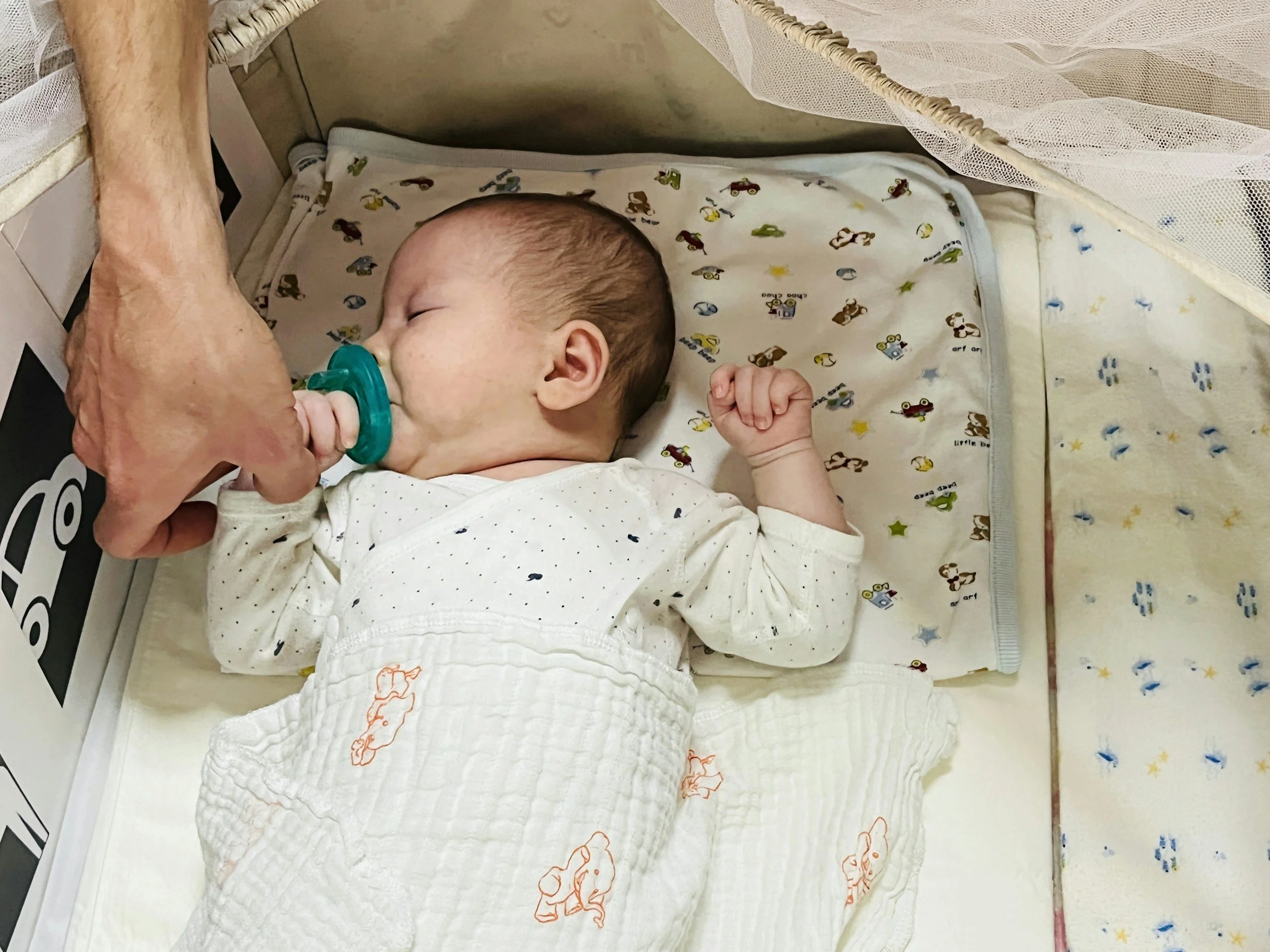
The Suck Reflex: What It Is, Signs of Retention, and How to Support Feeding, Speech, and Nervous System Regulation
Suck Reflex (Retained Primitive Reflexes)
The Suck Reflex is an early feeding reflex that allows babies to coordinate sucking, swallowing, and breathing for nourishment. When retained beyond infancy, it can influence oral habits, speech development, mouth breathing, jaw tension, and feeding efficiency. This article explains the signs of retained Suck Reflex in children and adults—and how nervous system-focused chiropractic care can support improved oral coordination and regulation.

The Rooting Reflex: What It Is, Signs of Retention, and How to Support Feeding, Oral Development, and Nervous System Regulation
Rooting Reflex (Retained Primitive Reflexes)
The Rooting Reflex is an early feeding reflex that helps newborns locate and latch for nourishment. When retained beyond infancy, it can affect feeding efficiency, oral motor control, speech development, jaw tension, and neck posture. This article explains the signs of retained Rooting Reflex in babies, children, and adults—and how nervous system-focused chiropractic care can support improved regulation and coordination.
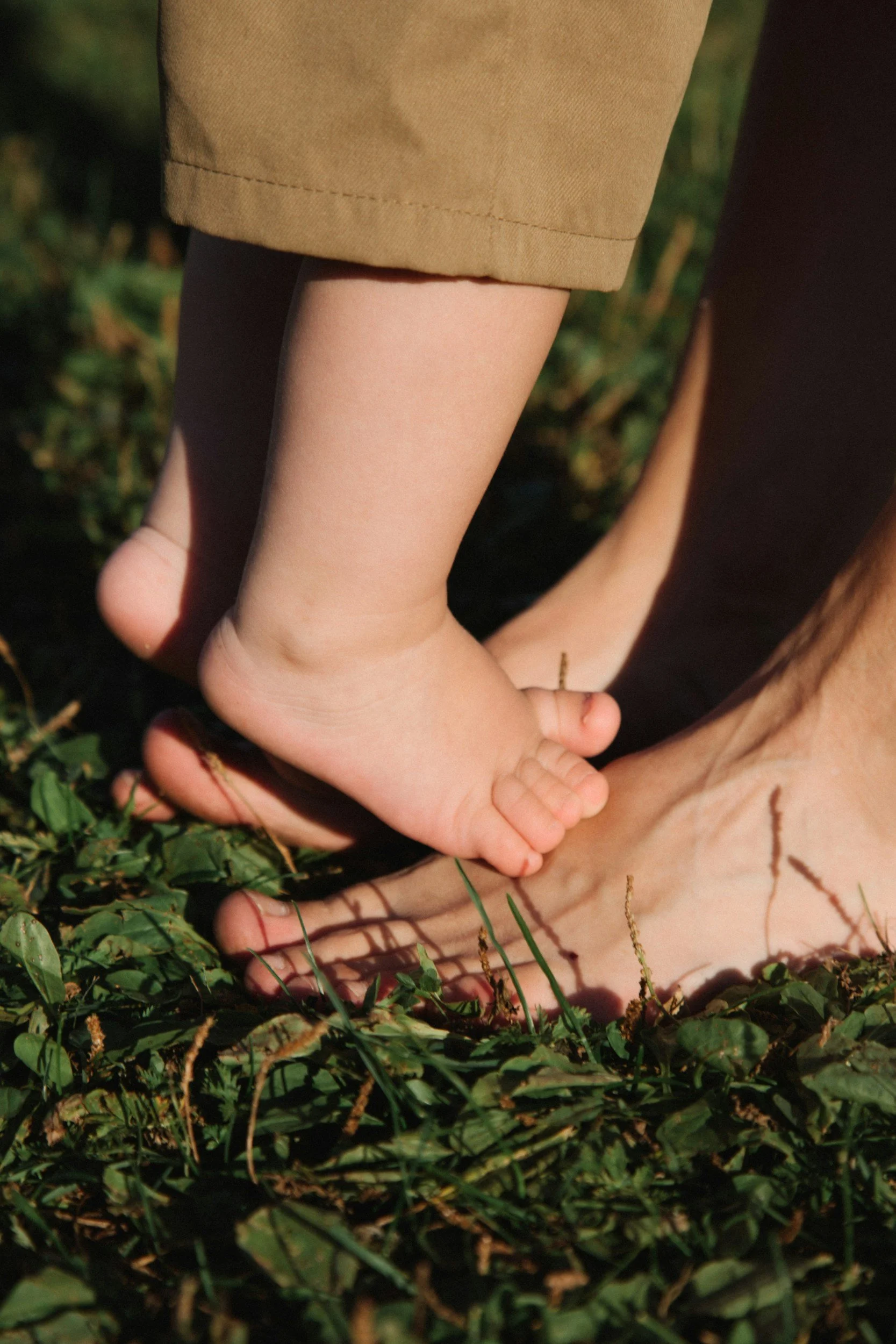
The Plantar Reflex: What It Is, Signs of Retention, and How to Support Balance, Gait, and Nervous System Development
Plantar Reflex (Retained Primitive Reflexes)
The Plantar Reflex is an early primitive reflex that supports foot development and preparation for walking. When retained beyond infancy, it can contribute to toe walking, balance challenges, foot tension, and postural instability. This article explains the signs of retained Plantar Reflex in children and adults—and how nervous system-focused chiropractic care can support improved gait, coordination, and stability.
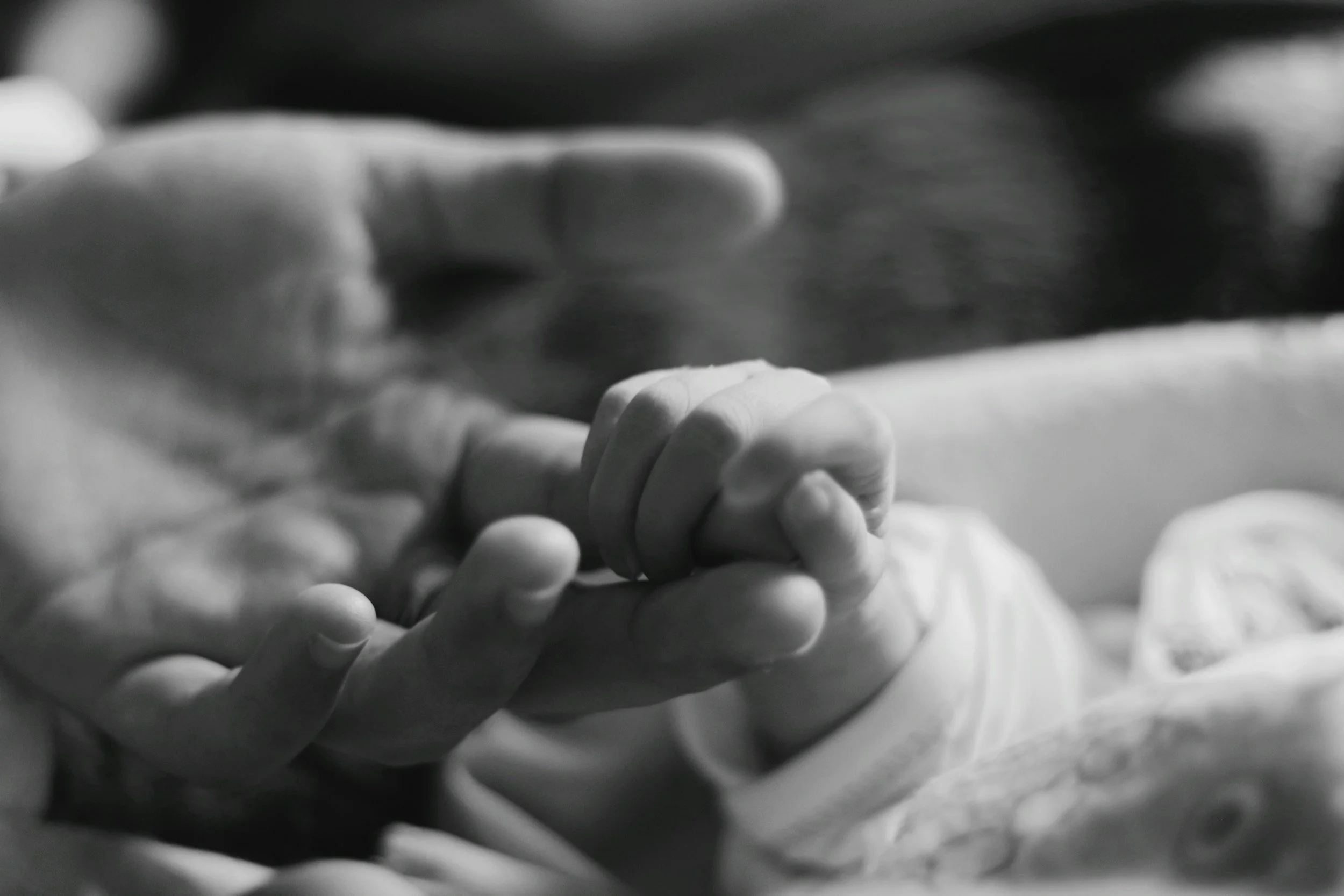
The Grasp Reflex (Palmar & Plantar): What It Is, Signs of Retention, and How to Support Fine Motor Skills, Posture, and Nervous System Development
Grasp (Retained Primitive Reflexes)
The Grasp Reflex is an early developmental reflex that supports sensory and motor development through the hands and feet. When retained beyond infancy, it can affect pencil grip, handwriting endurance, toe walking, balance, and coordination. This article explains the signs of retained Grasp Reflex in children and adults—and how nervous system-focused chiropractic care can support improved motor control and regulation.
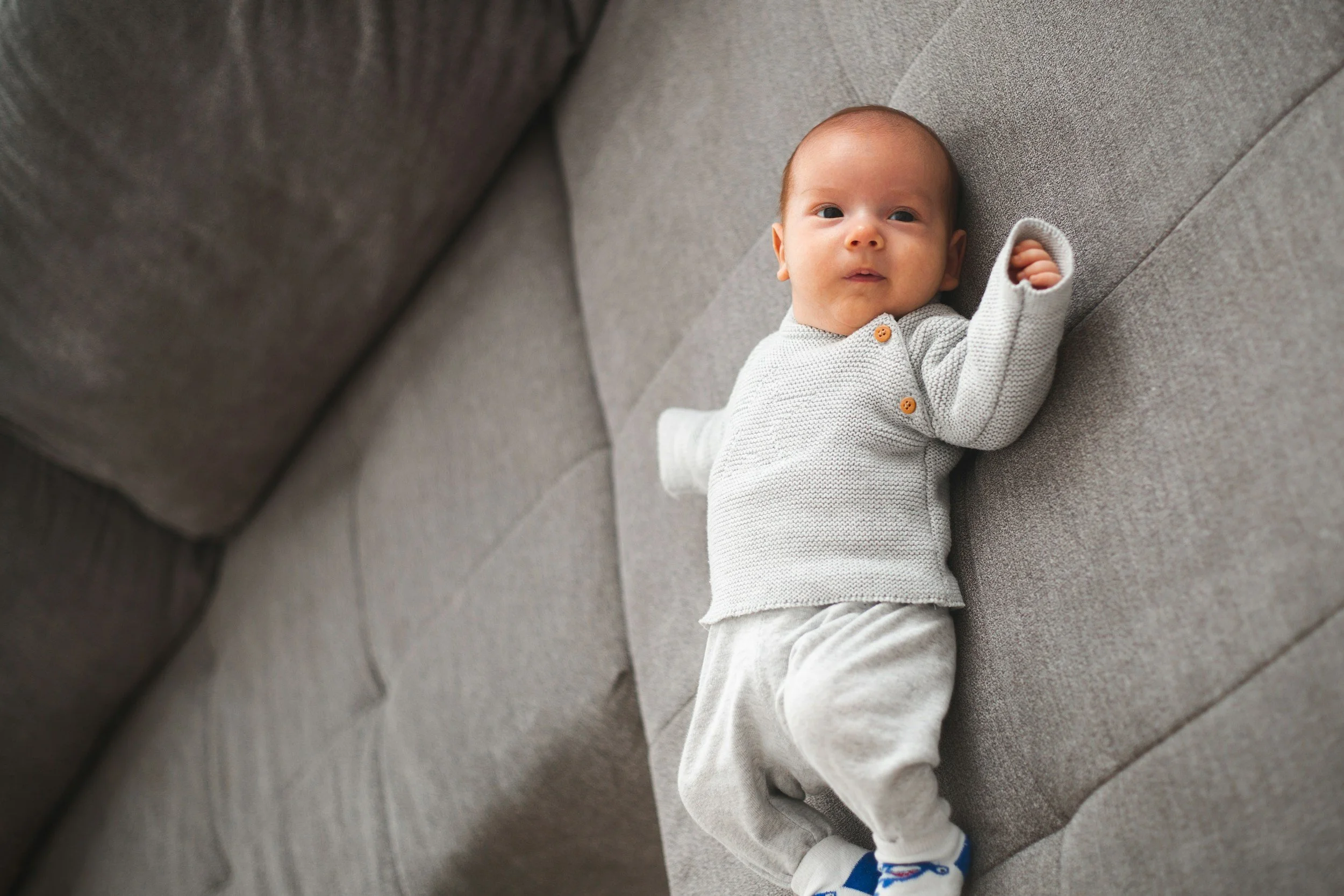
The ATNR (Asymmetrical Tonic Neck Reflex): What It Is, Signs of Retention, and How to Support Coordination, Learning, and Nervous System Maturity
ATNR (Retained Primitive Reflexes)
The ATNR (Asymmetrical Tonic Neck Reflex) is a developmental reflex that helps infants build early hand–eye coordination. When retained beyond infancy, it can affect posture, midline stability, handwriting endurance, coordination, and focus. This article explains the signs of retained ATNR in children and adults—and how nervous system-focused chiropractic care can support improved motor control and learning efficiency.

The TLR (Tonic Labyrinthine Reflex): What It Is, Signs of Retention, and How to Support Balance, Posture, and Nervous System Regulation
TLR (Retained Primitive Reflexes)
The Tonic Labyrinthine Reflex (TLR) is an early postural reflex that supports balance and muscle tone. When retained beyond infancy, it can affect posture, coordination, endurance, and spatial awareness. This article outlines the signs of retained TLR in babies, children, and adults—and explains how nervous system-focused chiropractic care can support improved regulation, stability, and movement efficiency.

The STNR (Symmetrical Tonic Neck Reflex): What It Is, Signs of Retention, and How to Support Posture, Focus, and Coordination
STNR (Retained Primitive Reflexes)
The STNR (Symmetrical Tonic Neck Reflex) is a developmental reflex that helps babies transition into crawling. When retained beyond infancy, it can contribute to poor posture, difficulty sitting still, handwriting fatigue, coordination challenges, and reduced focus. This article explains the signs of retained STNR in children and adults—and how nervous system-focused chiropractic care can support improved stability, motor control, and regulation.
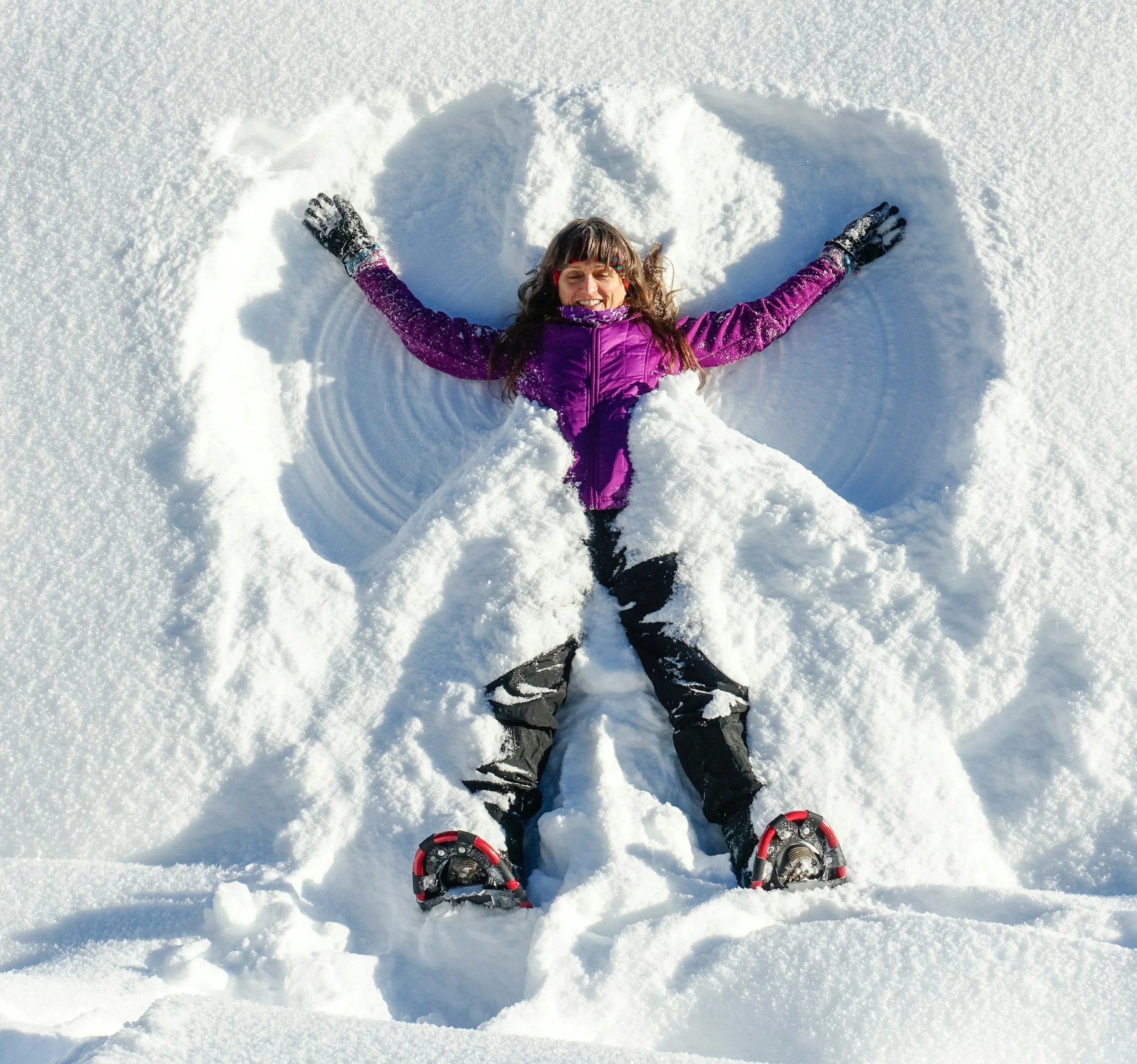
The Spinal Galant Reflex: What It Is, Signs of Retention, and How to Support Nervous System Maturity
Spinal Galant Reflex (Retained Primitive Reflexes)
The Spinal Galant Reflex is an early developmental reflex that supports trunk movement and birth mechanics. When retained beyond infancy, it may contribute to fidgeting, poor posture, bedwetting, sensory sensitivity, and difficulty sitting still. This article explains the signs of Spinal Galant retention in children and adults—and how nervous system-focused chiropractic care can support improved regulation and coordination.
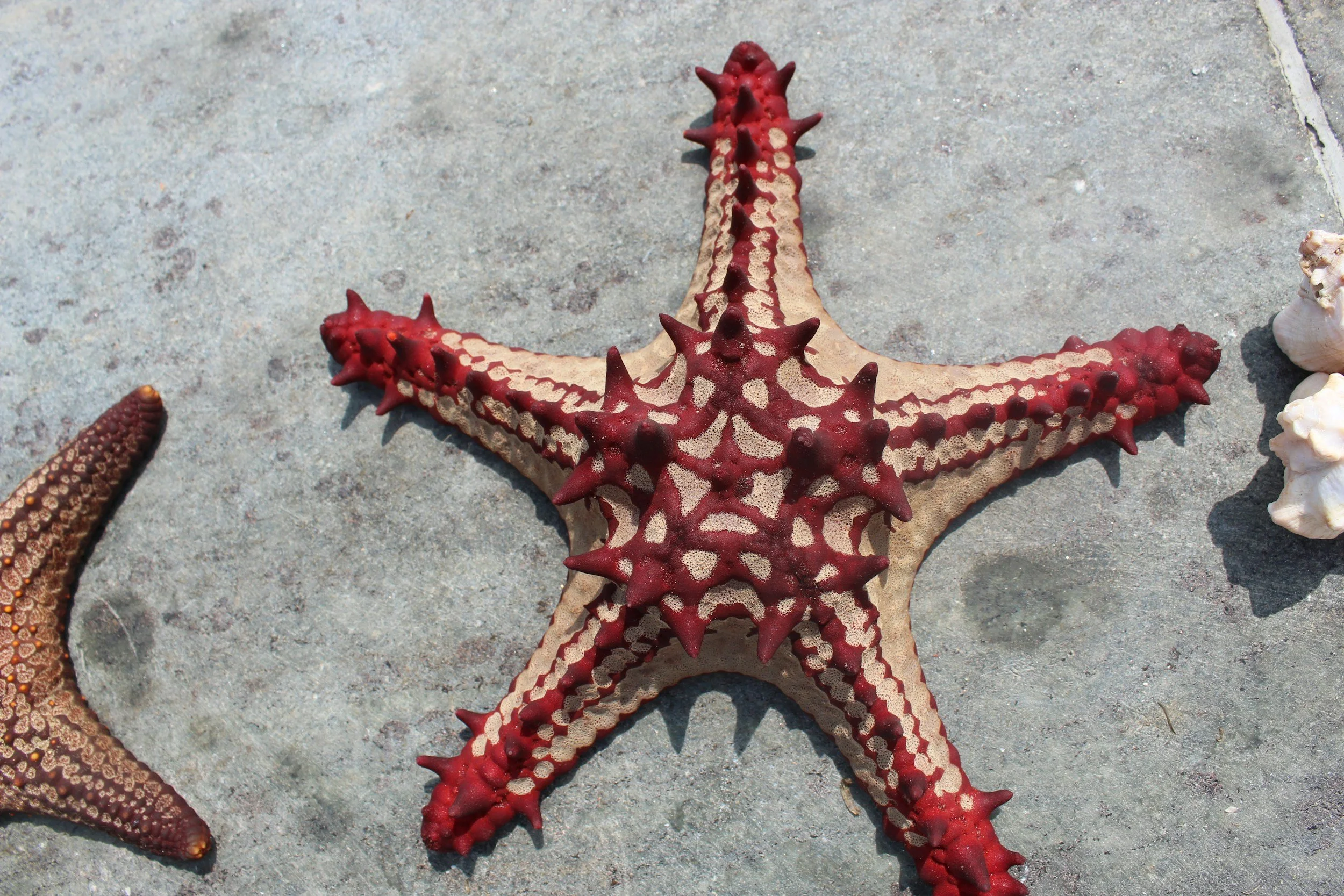
The Moro Reflex: What It Is, Signs of Retention, and How to Support Nervous System Regulation
Moro Reflex (Retained Primitive Reflexes)
The Moro Reflex is an early startle reflex designed to protect the developing nervous system. When retained beyond infancy, it can contribute to anxiety, emotional reactivity, sensory sensitivity, poor sleep, and reduced stress tolerance. This article explains the signs of retained Moro Reflex in babies, children, and adults—and how nervous system-focused chiropractic care can support calmer regulation and resilience.
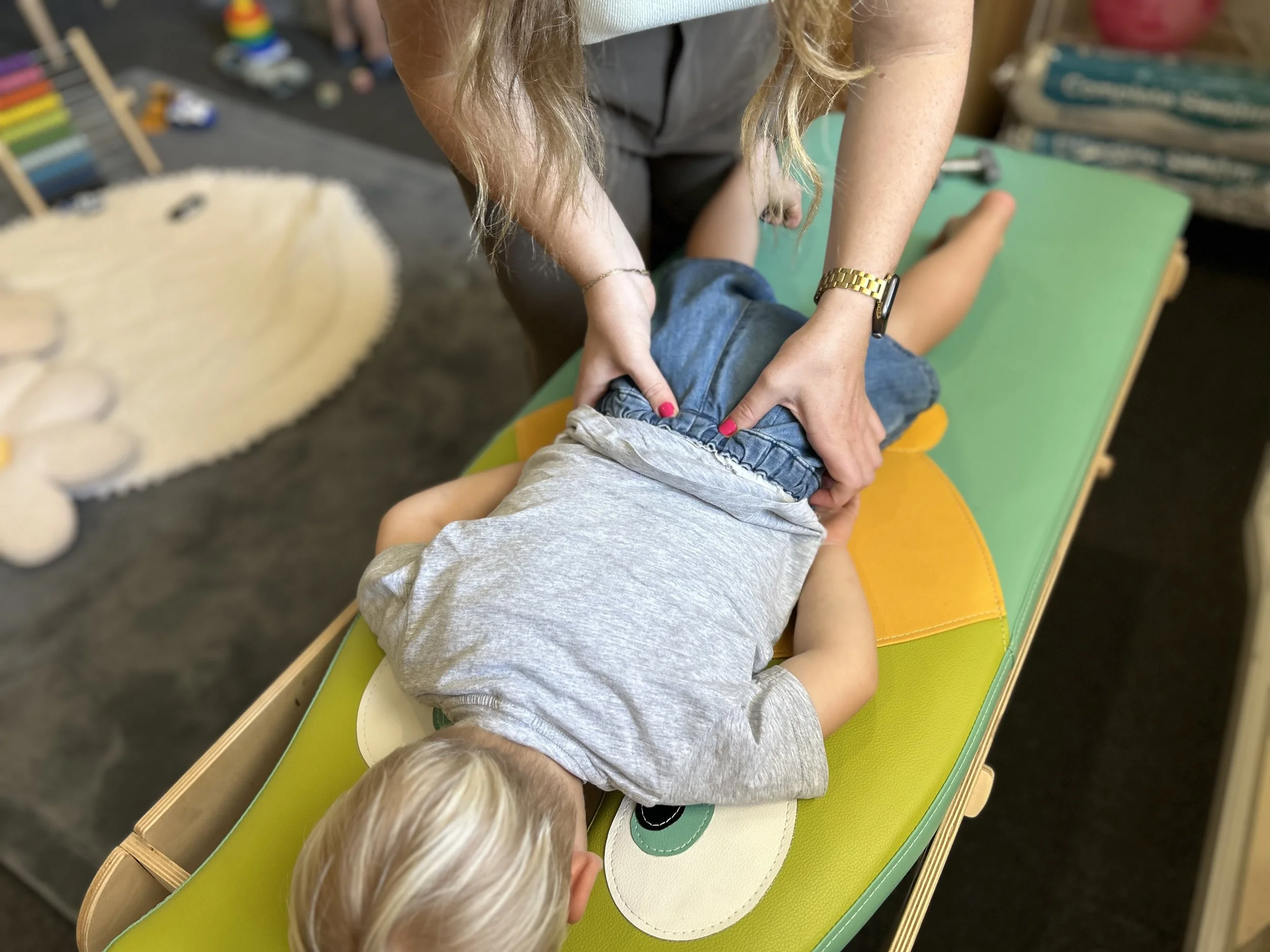
Fear Paralysis Reflex: What It Is, Signs of Retention, and How to Support Your Nervous System Naturally
Fear Paralysis Reflex (Retained Primitive Reflexes)
The Fear Paralysis Reflex is an early survival reflex designed to protect the developing nervous system. When retained beyond infancy, it can contribute to anxiety, emotional shutdown, sensory sensitivity, poor sleep, and chronic stress patterns. This article explains the signs of Fear Paralysis retention in children and adults—and how nervous system-focused chiropractic care can support calmer, more resilient regulation.
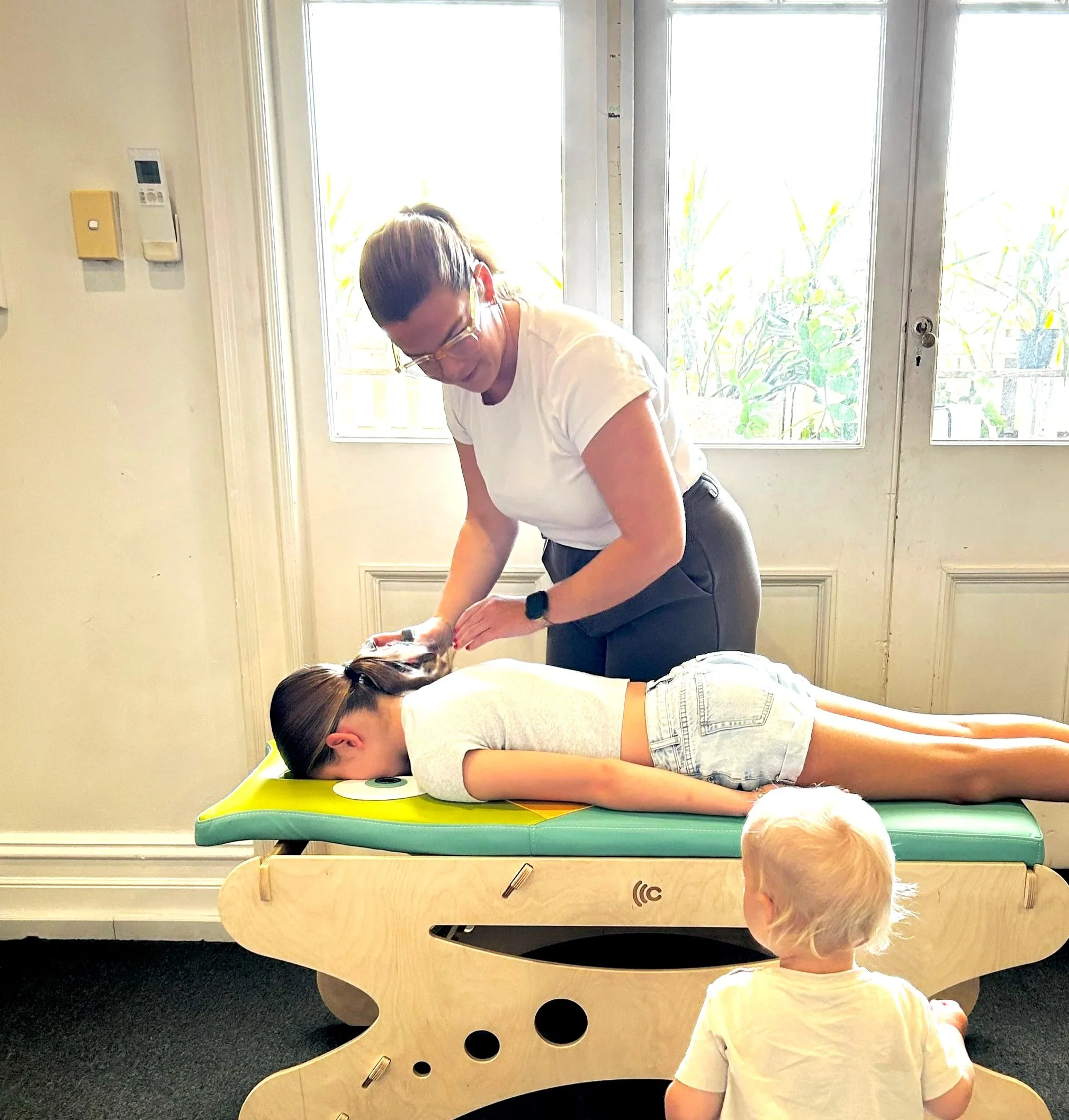
How Red Laser Therapy Can Support Brain Balance in Children
Red Laser Therapy for Sensitive Kids
Red laser therapy is a gentle, non-invasive way to support nervous system balance in children. When one side of the brain is working harder than the other, laser therapy — combined with chiropractic care and movement — may help calm overactivity and support healthy development. Learn how this approach supports regulation, coordination, and focus in growing kids.

Tech Neck, Posture & Modern Life: Why Your Neck Hurts More Than Ever
Tech Neck & Posture
Neck pain has become one of the most common complaints of modern life, driven by prolonged screen use, desk work, and poor posture. Known as “tech neck,” this condition places excessive strain on the cervical spine and nervous system. This blog explores why posture alone isn’t the full answer and how chiropractic care supports long-term neck health for adults in Mosman and Sydney’s North Shore.
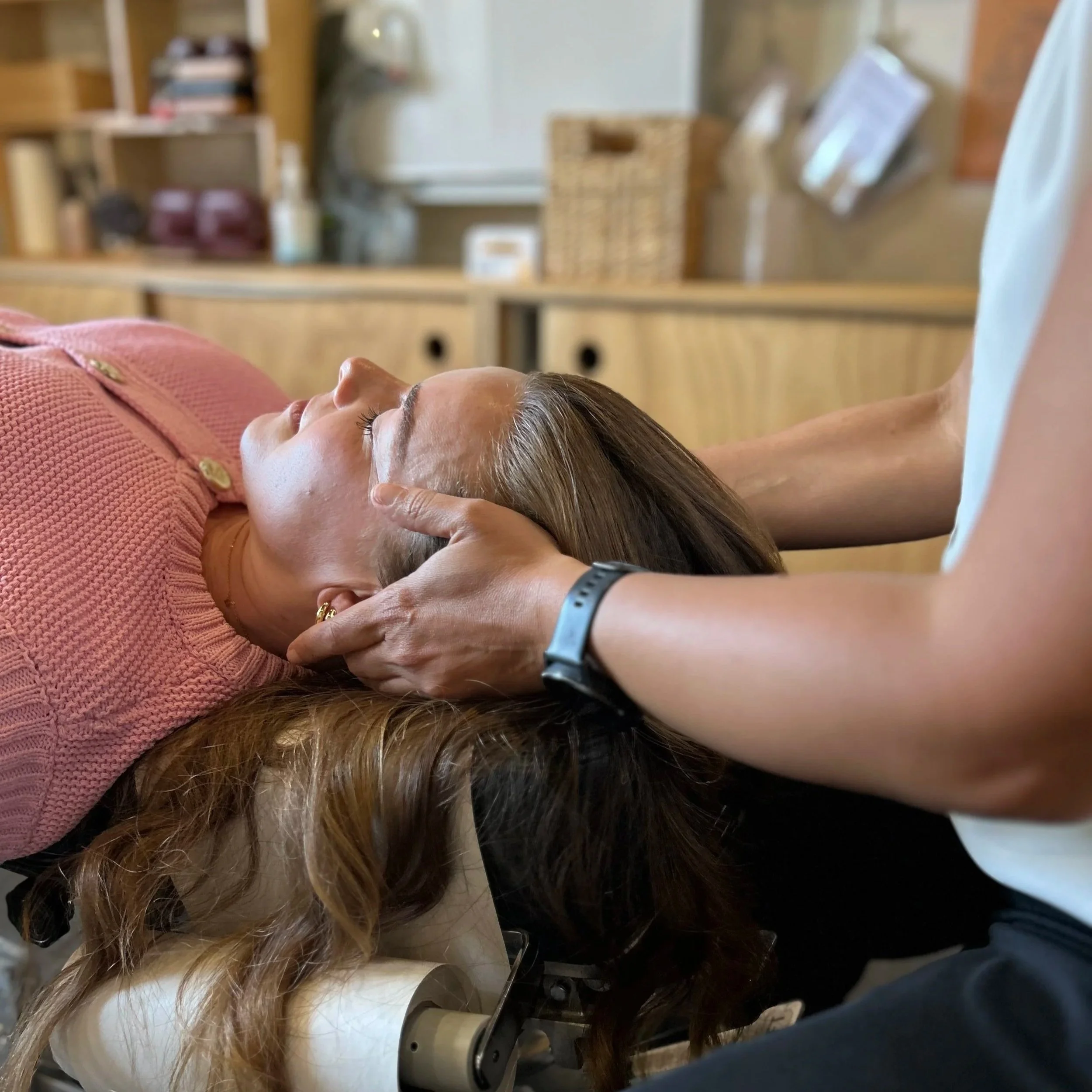
Neck Pain: Causes, Nervous System Impact & Natural Relief
Neck Pain Chiropractic Care
Neck pain is one of the most common issues affecting adults today, often linked to posture, prolonged desk work, stress, and reduced spinal movement. In this blog, we explore the underlying causes of neck pain, the role of the nervous system, and how chiropractic care can support long-term relief. Learn practical home care strategies and when to seek professional help in Mosman and Sydney’s Lower North Shore.
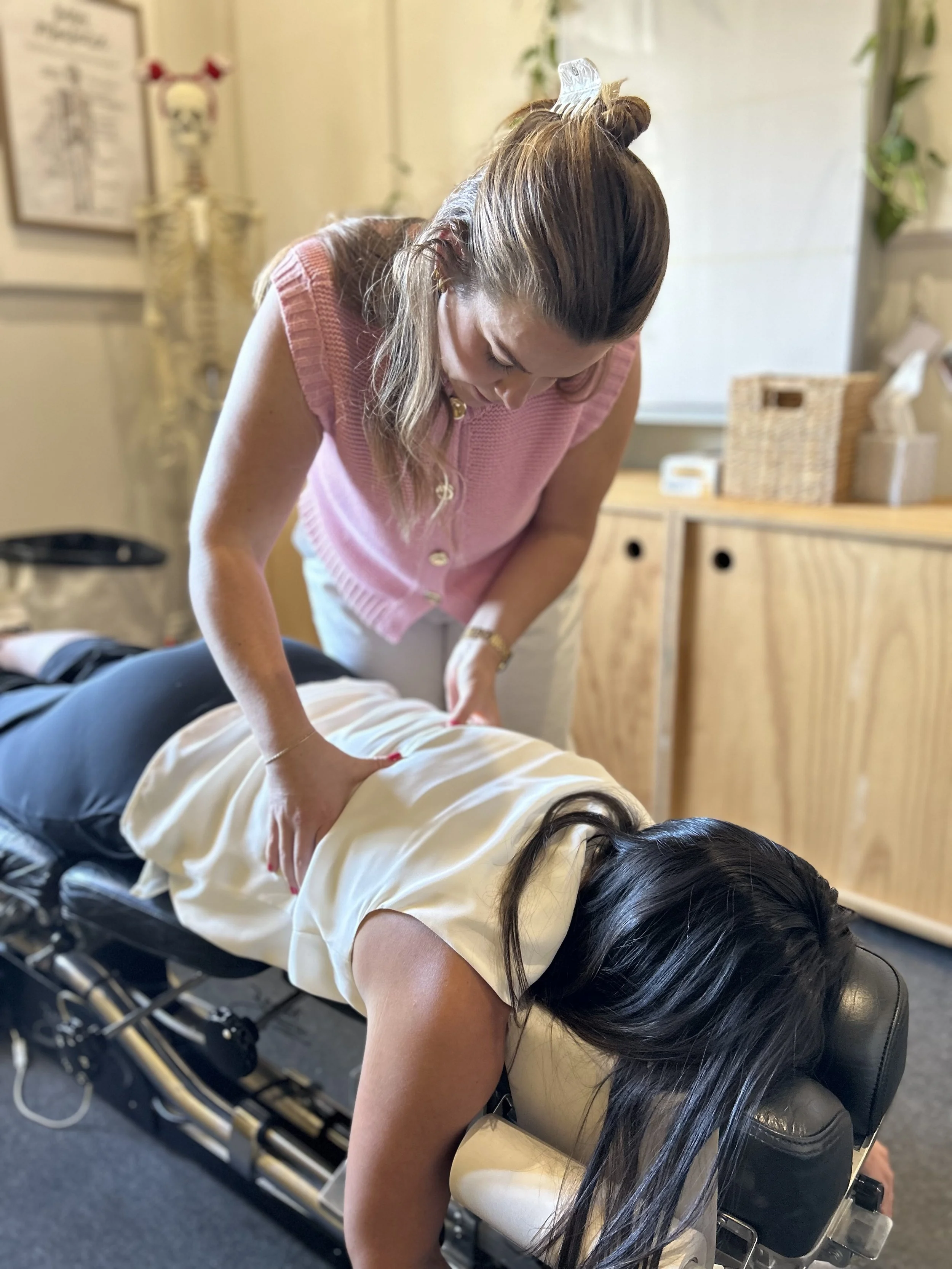
Low Back Pain Chiropractic Care: A Research-Informed Guide for Lasting Relief in Mosman & Sydney’s North Shore
Lower Back Pain Chiropractic Care
Low back pain can affect how you move, sleep, work, and enjoy everyday life. While many people assume back pain is purely muscular or structural, it often involves how the spine, pelvis, and nervous system are functioning together. Even when scans appear normal, ongoing tension, restricted movement, and stress can drive persistent discomfort.
This article explores why low back pain happens, why it often returns, and how chiropractic care can support long-term recovery. If you’re looking for a natural, evidence-informed approach to back pain relief in Mosman or Sydney’s North Shore, understanding the nervous system’s role is a powerful place to start.
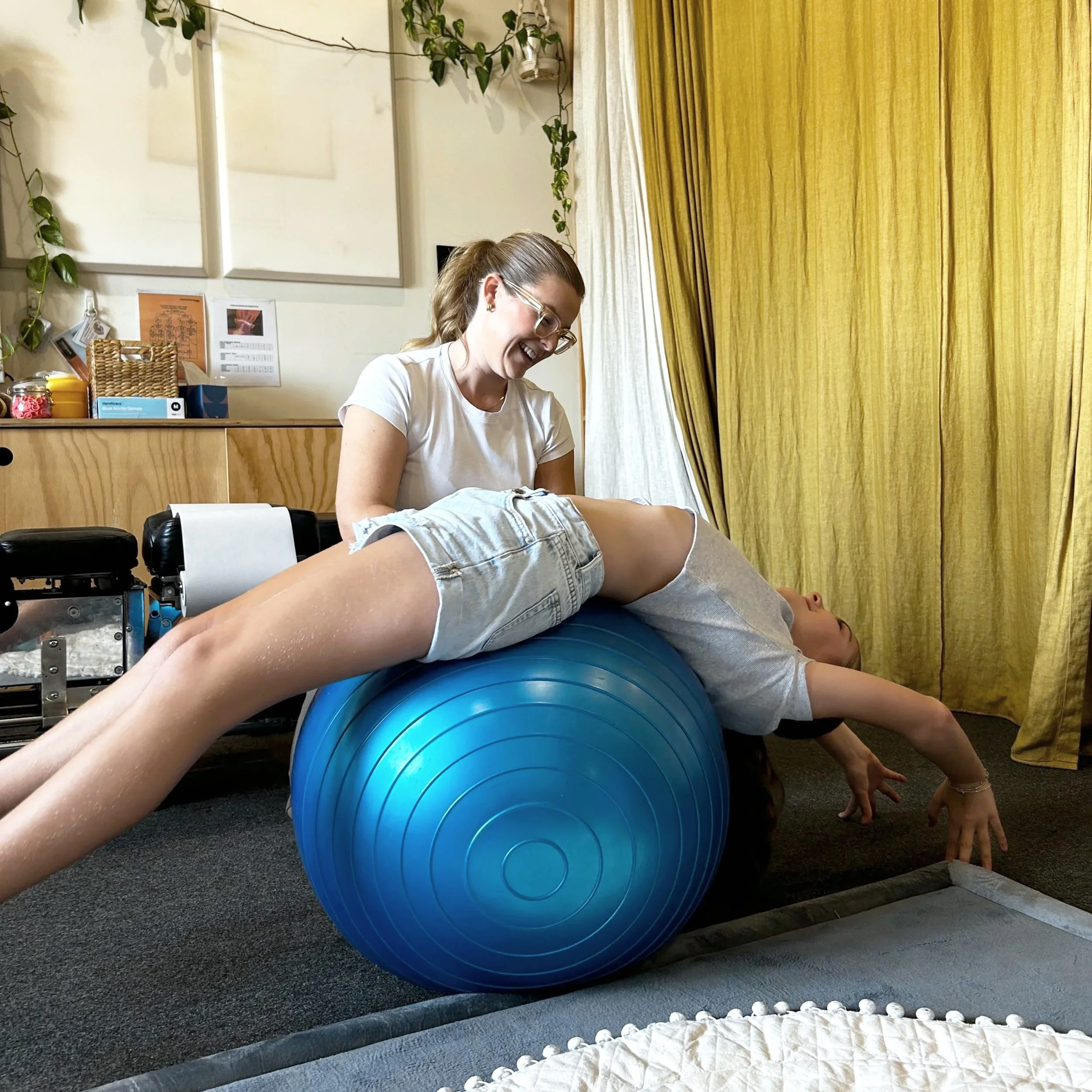
A Retained Primitive Reflex Parent Quiz
Simple Quiz - Retained Primitive Reflexes
Wondering if retained primitive reflexes could be affecting your child’s focus, posture, or learning? This parent-friendly quiz helps you identify common neurological patterns linked to school readiness and nervous system development.