
Lower Back Pain vs Sciatica – What’s the Difference?
Lower back pain is usually mechanical pain originating from muscles, joints, discs, or ligaments in the lumbar spine.
Sciatica is nerve-related pain caused by irritation or compression of the sciatic nerve, often producing leg pain, tingling, or numbness.
While they can overlap, they require different assessment and treatment strategies. Correct diagnosis is key to long-term relief.
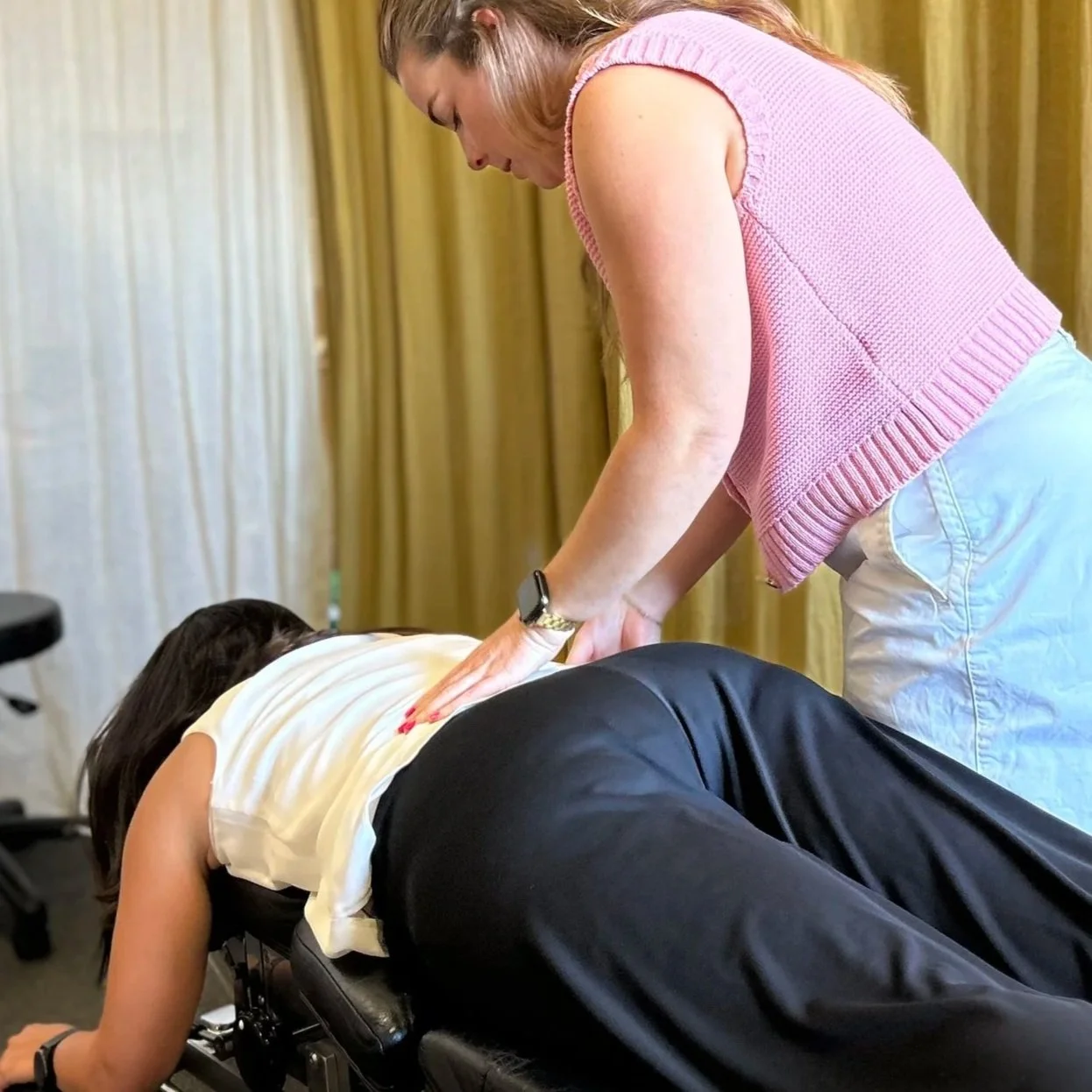
Lower back pain and sciatica are often used interchangeably — but clinically, they are not the same thing. Understanding the difference matters, because the cause, recovery timeline, and best treatment approach can be very different.
If you’re searching for “lower back pain Sydney”, “sciatica North Shore”, or “why does my back pain go down my leg?”, this guide will help you understand what’s happening in your body — and what to do next.
What Is Lower Back Pain?
Lower back pain (LBP) refers to pain felt between the rib cage and the pelvis. It is one of the most common musculoskeletal complaints worldwide and a leading cause of disability.
Common features of lower back pain:
Localised pain or stiffness in the lower back
Aching, tightness, or sharp pain
Worse with prolonged sitting, bending, or lifting
Often improves with movement or position changes
Usually does not travel below the knee
Common causes:
Joint dysfunction (facet joints, sacroiliac joints)
Muscle strain or overload
Disc irritation or degeneration
Poor posture or prolonged sitting
Reduced spinal movement or stability
Repetitive lifting or sports strain
Most lower back pain is classified as mechanical pain, meaning it is related to movement and load — not disease or serious pathology.
What Is Sciatica?
Sciatica refers to pain caused by irritation or compression of the sciatic nerve, the largest nerve in the body. The sciatic nerve exits the lower spine and travels through the buttock and down the leg.
Key features of sciatica:
Pain that travels from the lower back or buttock into the leg
Can extend below the knee into the calf or foot
Often described as burning, shooting, electric, or sharp
May include numbness, tingling, or weakness
Can worsen with sitting, coughing, or bending
Common causes:
Lumbar disc bulge or disc herniation
Foraminal narrowing (where the nerve exits the spine)
Spinal joint inflammation affecting nerve roots
Piriformis muscle irritation
Pelvic or hip biomechanics affecting nerve tension
Pregnancy/Postpartum associated shifts
Sciatica is not a diagnosis itself — it’s a symptom of nerve involvement.
Lower Back Pain vs Sciatica: Side-by-Side Comparison
FEATURE: Lower Back Pain Sciatica
PAIN LOCATION: Lower back Back, buttock, leg
LEG SYMPTOMS: Rare Common
NERVE SYMPTOMS: No Yes (tingling, numbness)
PAIN QUALITY: Achy, stiff, sharp Shooting, burning, electric
WORSENS WITH: Movement/load Sitting, bending, coughing
CAUSE: Mechanical tissues Nerve irritation
Can You Have Both at the Same Time?
Yes — and this is very common.
Many people experience mechanical lower back pain that also irritates a nerve, especially when disc or joint dysfunction is involved. This is why a thorough assessment matters. Treating only the leg symptoms without addressing spinal mechanics often leads to recurring pain.
Why Getting the Diagnosis Right Matters
Mislabeling all back pain as “sciatica” can:
Delay recovery
Lead to unnecessary imaging
Increase fear and avoidance of movement
Result in inappropriate exercises or rest
Similarly, dismissing true nerve pain as “just muscle tightness” can prolong nerve irritation and recovery time.
At Nomad Chiropractic, assessment focuses on:
Movement patterns
Neurological testing
Joint function
Postural load
Nervous system response
This allows care to be precise, evidence-informed, and individualised.
How Chiropractic Care Helps Each Condition
For Lower Back Pain:
Restores spinal and pelvic joint movement
Reduces muscle guarding
Improves posture and load tolerance
Supports nervous system regulation
Encourages confident, safe movement
For Sciatica:
Reduces mechanical pressure on nerve roots
Improves spinal and pelvic alignment
Addresses disc and joint mechanics
Reduces nerve sensitivity
Supports healing without forcing or aggravation
Care is always tailored — especially important for nerve-related symptoms.
When to Seek Help
You should seek professional assessment if:
Pain persists longer than 1–2 weeks
Pain is worsening or recurring
You have leg pain, numbness, or weakness
Pain is limiting work, sleep, or exercise
You’re unsure what movements are safe
Early, appropriate care leads to better long-term outcomes.
Learn more about chiropractic care for adults here
FREQUENTLY ASKED QUESTION: LOW BACK PAIN VS SCIATICA
-
Sometimes, yes — but unresolved mechanics often mean it returns. Guided care improves recovery and reduces recurrence.
-
Short-term relative rest can help, but prolonged rest often worsens outcomes. Gentle movement is usually beneficial.
-
Not always. Most cases do not require imaging unless there are red flags or worsening neurological signs.
-
When appropriately assessed and applied, chiropractic care is considered low-risk and can be very effective. Poorly targeted care can aggravate symptoms — which is why individual assessment matters.
-
Mechanical back pain often improves within 2-6 weeks. Sciatica can take longer depending on nerve irritation and contributing factors.
If you’re dealing with lower back pain or sciatica and want clarity, not guesswork — book a comprehensive spinal and nervous system assessment at Nomad Chiropractic in Mosman.
Want to learn more? Book a FREE 15min discovery call with one of our Sydney back pain & sciatica Chiropractors today: Book HERE
-
Hartvigsen J et al. What low back pain is and why we need to pay attention. The Lancet, 2018.
Koes BW et al. Clinical review: diagnosis and treatment of sciatica. BMJ, 2007.
Maher C et al. Non-specific low back pain. The Lancet, 2017.
Chou R et al. Diagnosis and treatment of low back pain. Annals of Internal Medicine, 2007.
van Tulder M et al. Low back pain (acute). Best Practice & Research Clinical Rheumatology, 2006.
Genevay S, Atlas SJ. Lumbar spinal stenosis. Best Practice & Research Clinical Rheumatology, 2010.
Bogduk N. Clinical Anatomy of the Lumbar Spine and Sacrum. Elsevier.
Australian Institute of Health and Welfare. Back pain statistics.
NICE Guidelines. Low back pain and sciatica in over 16s.
Haas M et al. Dose-response and efficacy of spinal manipulation. Spine Journal.
-
The information provided on this website is for general educational purposes only and is not intended to replace professional healthcare advice, diagnosis, or treatment. Chiropractic care may assist with musculoskeletal function and nervous system health; however, individual outcomes may vary.
This content does not constitute medical advice and should not be used to diagnose or treat any health condition. Always seek advice from a registered healthcare professional if you have concerns about your symptoms, particularly if symptoms are severe, worsening, or persistent.
If you experience red flag symptoms such as unexplained weight loss, fever, loss of bladder or bowel control, progressive weakness, or significant trauma, seek immediate medical attention.
Nomad Chiropractic practitioners are registered with the Australian Health Practitioner Regulation Agency (AHPRA) and provide care in accordance with Australian healthcare standards and scope of practice.