
The Rooting Reflex: What It Is, Signs of Retention, and How to Support Feeding, Oral Development, and Nervous System Regulation
The Rooting Reflex is an early feeding reflex that helps newborns locate and latch for nourishment. When retained beyond 3–4 months of age, it can contribute to feeding challenges, oral sensitivities, speech difficulties, jaw tension, and neck tightness. Nervous system-focused chiropractic care may help support improved oral coordination and regulation.
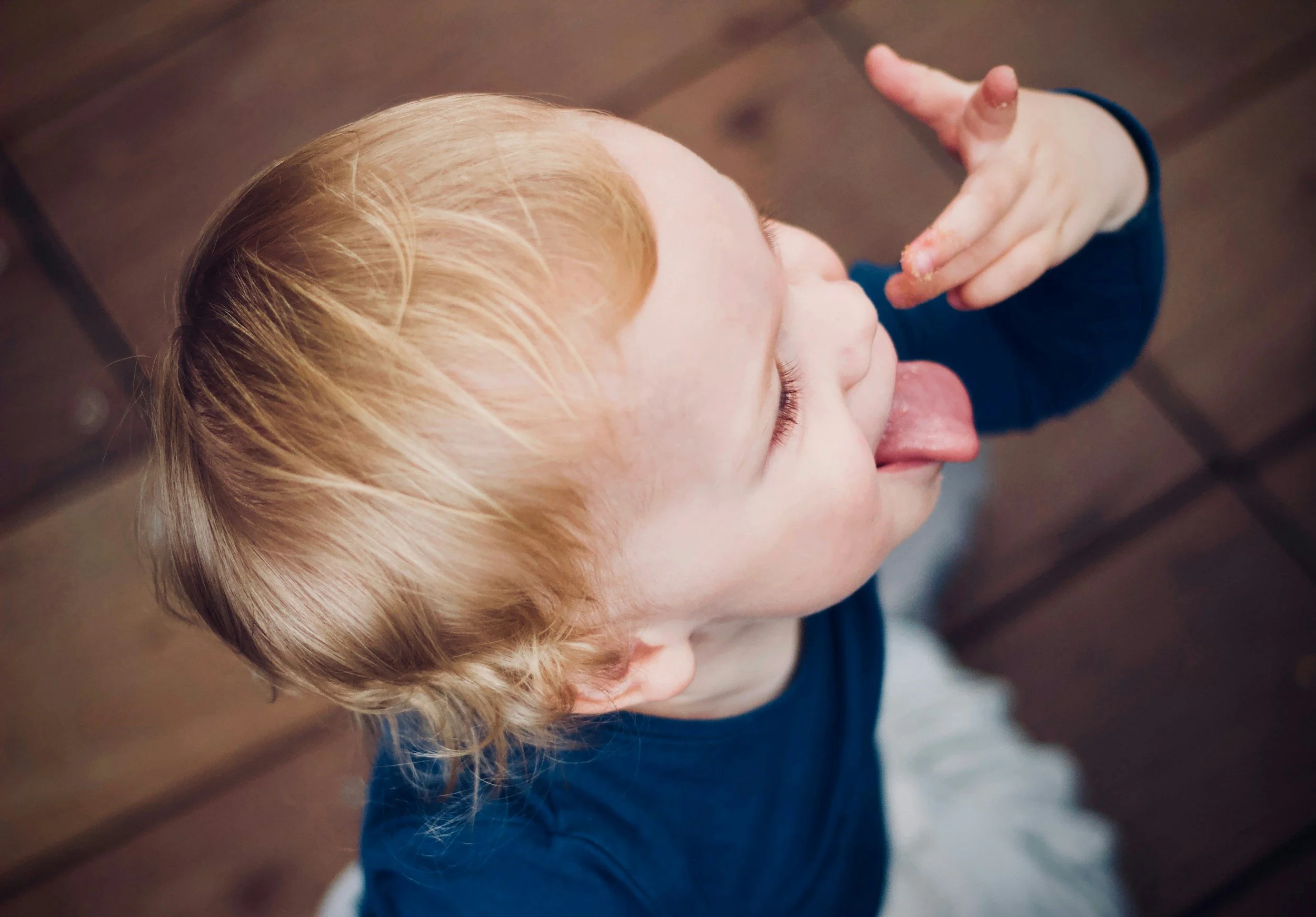
The Rooting Reflex is one of the earliest and most essential primitive reflexes, playing a vital role in feeding, bonding, oral development, and early nervous system organisation. While it is crucial for survival in infancy, this reflex is designed to integrate as voluntary head, neck, and oral control develops.
When the Rooting Reflex does not integrate properly, it can affect feeding patterns, oral motor control, speech development, sensory processing, posture, and emotional regulation—sometimes persisting well beyond infancy into childhood and even adulthood.
At Nomad Chiropractic, we frequently assess retained Rooting Reflex patterns in babies, children, and adults across Sydney’s North Shore and Northern Beaches, particularly in those with feeding challenges, mouth sensitivities, poor oral coordination, or ongoing tension through the jaw, neck, and shoulders.
What Is the Rooting Reflex?
The Rooting Reflex appears around 28 weeks in utero and is governed by the brainstem. It is activated when the cheek or corner of the mouth is lightly touched.
The reflex response includes:
Turning the head toward the stimulus
Opening the mouth
Preparing to latch and feed
This reflex is essential for:
Successful breastfeeding or bottle feeding
Early survival and nourishment
Bonding between caregiver and baby
Sensory mapping of the face and mouth
When Should the Rooting Reflex Integrate?
The Rooting Reflex should integrate by approximately 3–4 months of age, as the baby develops voluntary control of:
Head and neck movement
Mouth and tongue coordination
Feeding behaviours
Once integrated, the nervous system allows:
Purposeful head turning
Controlled feeding responses
Improved oral motor coordination
Reduced reflexive mouth movements
If the reflex remains active, facial stimulation can continue to trigger automatic responses.
Why a Retained Rooting Reflex Matters
A retained Rooting Reflex means the nervous system continues to react reflexively to facial or oral stimulation, rather than responding with voluntary control.
This can lead to:
Feeding difficulties
Oral motor inefficiency
Excessive mouthing or chewing
Sensory defensiveness around the face
Poor jaw stability
Compensatory neck and postural tension
These patterns are often misunderstood as behavioural or sensory issues, rather than being recognised as neurological immaturity.
Signs and Symptoms of a Retained Rooting Reflex
In Babies
Difficulty latching or staying latched
Constant head turning during feeding
Over-rooting or searching movements
Irritability during feeds
Reflux-like symptoms
In Children
Excessive mouthing of objects
Chewing on clothing or pencils
Drooling beyond expected age
Sensitivity around the mouth or face
Speech articulation challenges
In Teens
Jaw tension or clenching
Poor oral awareness
Neck and shoulder tension
Mouth-based sensory habits
In Adults
Jaw tightness or TMJ discomfort
Mouth breathing
Oral sensory habits (chewing, clenching)
Neck and upper cervical tension
Difficulty fully relaxing the jaw
Many adults discover that long-standing jaw or neck tension may be linked to early oral reflex retention.
How the Rooting Reflex Affects the Nervous System
When the Rooting Reflex remains active:
Facial sensory input continues to trigger reflexive movement
The jaw and neck struggle to stabilise
Higher brain centres must override automatic responses
The nervous system expends extra energy regulating basic oral function
This can interfere with:
Feeding efficiency
Speech and articulation
Jaw stability
Emotional and sensory regulation
Over time, this contributes to fatigue and tension through the face, neck, and shoulders.
Home Care Strategies to Support Rooting Reflex Integration
Professional guidance is important, but gentle home support can be very effective.
1. Support Midline Head Control
Encourage symmetrical head positioning
Avoid constant one-sided feeding positions
Promote gentle neck movement both directions
2. Improve Oral Awareness
Age-appropriate oral play
Textured foods (when developmentally ready)
Facial massage with consent and calm intent
3. Reduce Oral Overstimulation
Limit constant pacifier or chewing habits
Encourage breaks between oral activities
4. Reflex-Based Movement Exercises
Specific reflex-integration exercises can help reduce reflexive rooting responses and improve voluntary oral control. These exercises should be:
Gentle
Slow
Repetitive
Guided by a trained practitioner
Chiropractic Care and the Rooting Reflex
Chiropractic care supports Rooting Reflex integration by improving upper cervical, cranial, and nervous system communication.
At Nomad Chiropractic, our nervous system-focused approach includes:
Gentle chiropractic adjustments appropriate for babies, children, and adults
Support for upper cervical and cranial input
Assessment of feeding mechanics and head–neck coordination
Integration of home-based reflex exercises
Collaboration with feeding and oral health professionals when needed
This approach is particularly helpful for:
Babies with feeding or latching challenges
Children with oral sensory or speech-related issues
Adults with jaw tension, TMJ symptoms, or chronic neck tightness
Families across Sydney’s North Shore and Northern Beaches often seek us out for this specialised neurological care.
Why Early Support Matters
When the Rooting Reflex remains active:
Feeding and oral development require extra effort
Jaw and neck tension patterns become ingrained
Sensory regulation may be compromised
Early identification can:
Improve feeding efficiency
Support speech and oral motor development
Reduce long-term jaw and neck tension
That said, integration is still possible later in life, and many adults experience noticeable improvements once this reflex is addressed.
Frequently Asked Questions
1. Can a retained Rooting Reflex affect speech?
Yes. Oral reflex retention can interfere with precise tongue, lip, and jaw control needed for clear speech.
2. Is jaw tension linked to the Rooting Reflex?
It can be. Retained oral reflexes may contribute to chronic jaw clenching or TMJ symptoms.
3. How long does integration take?
This varies by age and nervous system stress, but improvements are often noticed within weeks to months or sometimes longer with consistent care.
The Rooting Reflex helps us feed and survive early in life—but it shouldn’t drive oral and postural patterns forever.
If you or your child experience feeding challenges, oral sensitivities, jaw tension, or neck discomfort, a retained Rooting Reflex may be part of the picture.
At Nomad Chiropractic, we focus on nervous system-focused chiropractic care, supporting primitive reflex integration for families across Sydney’s North Shore and Northern Beaches, while educating families worldwide.
👉 Book a nervous system assessment today and support calmer feeding, better oral control, and a more regulated nervous system—naturally.
Homecare Movement Tips
We have a lot of homecare tips on our website here. But before you start doing every exercise under the sun we recommend getting checked and adjusted because some may integrate without the need of an extensive home-care regime with chiropractic care.
📲 FOLLOW SANDY ON SOCIALS! She gives heaps of Homecare intentional movement tips.
👉[Facebook]
👉[Instagram]
A retained Rooting Reflex can quietly influence feeding patterns, oral motor control, jaw tension, and sensory regulation long after infancy. When facial stimulation continues to trigger reflexive responses, everyday oral tasks may require more effort. Supporting neurological integration through targeted strategies and nervous system-focused chiropractic care may help improve stability and coordination.
Want to learn more? Book a FREE 15min discovery call with one of our North Shore Paediatric & Retained Primitive Reflex Chiropractors today: Book HERE
👉 Book a nervous system assessment today and take the first step toward calmer, more resilient living.
-
Goddard Blythe, S. Reflexes, Learning and Behaviour. Fern Ridge Press.
Goddard Blythe, S. Attention, Balance and Coordination. Wiley-Blackwell.
Melillo, R. Disconnected Kids. Penguin Random House.
Ayres, A. J. Sensory Integration and the Child. Western Psychological Services.
Porges, S. The Polyvagal Theory. W. W. Norton & Company.
Schore, A. Affect Regulation and the Origin of the Self. Routledge.
Kolb, B., Gibb, R. “Brain plasticity and behaviour.” Annual Review of Psychology.
Teicher, M. H. et al. “The neurobiological consequences of early stress.” Biological Psychiatry.
Australian Spinal Research Foundation – Neurological development and posture resources.
Haavik, H. The Reality Check.
International Chiropractic Pediatric Association (ICPA) Developmental Guidelines.
Panksepp, J. Affective Neuroscience. Oxford University Press.
-
The information provided by Nomad Chiropractic is intended for general educational purposes only and is not a substitute for professional medical advice, diagnosis, or treatment.
Chiropractic care, movement strategies, and nervous system–based approaches aim to support overall function and wellbeing. They do not diagnose or treat medical conditions, learning disorders, behavioural conditions, or developmental diagnoses.
Every child is unique, and responses to care may vary. Any concerns regarding your child’s health, development, learning, or behaviour should be discussed with a qualified healthcare professional. Always seek advice from your GP, paediatrician, or other appropriately registered health practitioner regarding specific medical concerns.
This content does not replace individual assessment or care. Decisions about your child’s health should be made in consultation with qualified professionals familiar with your child’s individual needs.
If feeding, speech, or jaw tension feel harder than they should, a retained Rooting Reflex may be contributing—book a nervous system assessment to explore supportive next steps.