

Blog




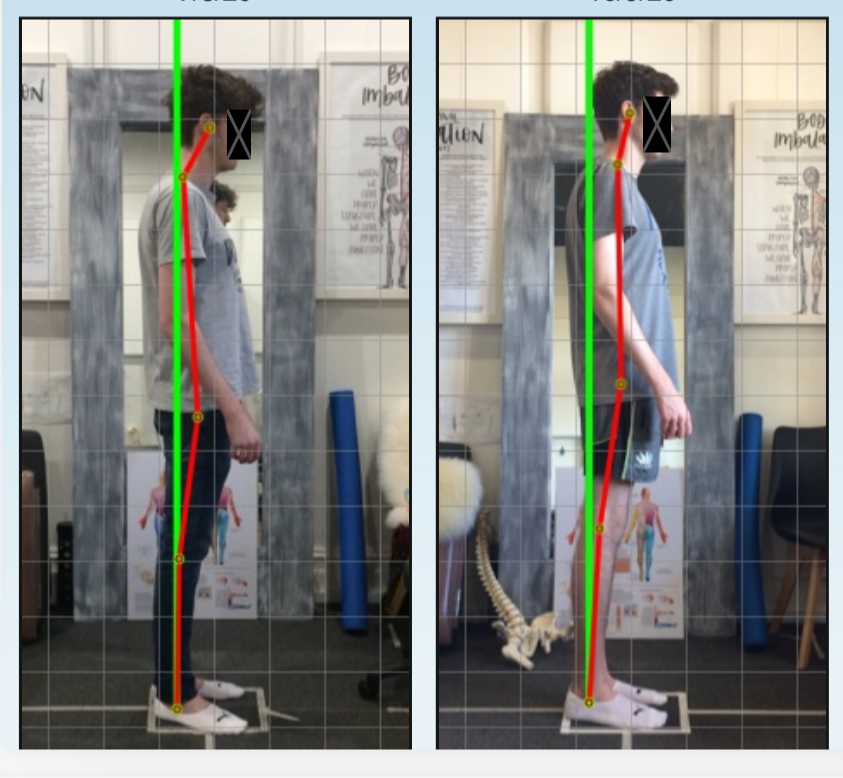
How to Fix Your Posture at a Desk (Without Constantly Thinking About It)
Sitting & Poor Posture
Sitting all day can lead to poor posture, neck pain and back tension. This article explains how to fix your desk posture in a simple, realistic way without constantly thinking about it. Learn how to set up your workspace, improve movement habits and support long-term posture changes. Discover how chiropractic care can help your body hold better posture naturally.
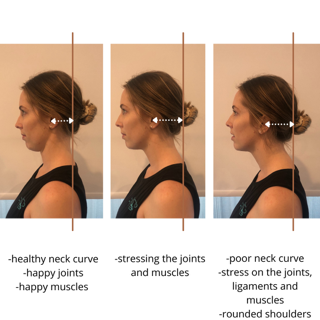
Forward Head Posture (Tech Neck): Causes, Symptoms and How to Fix It Naturally
Forward Head Posture
Forward head posture, also known as tech neck, is a common issue caused by screen use and daily habits. This article explains what forward head posture is, why it develops, and how it impacts your neck, shoulders and overall function. Learn practical ways to improve posture naturally and how chiropractic care can support long-term change and help your body hold better posture.
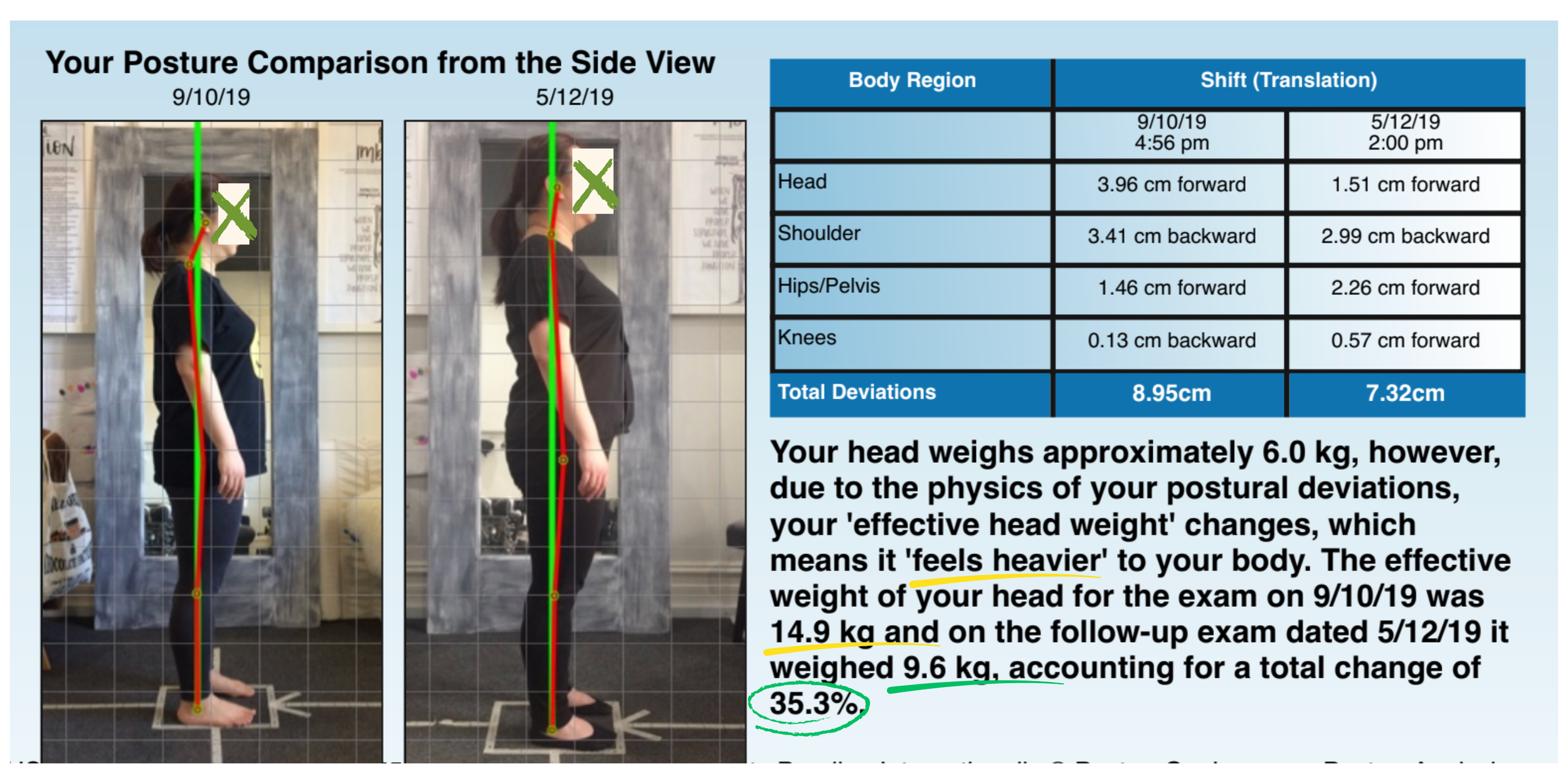
Why Your Posture Keeps Getting Worse (Even When You Try to Fix It)
Poor Posture
Struggling to fix your posture even when you try? This article explains why posture keeps getting worse over time and what’s really driving it. Learn how your spine, muscles and nervous system influence posture, plus practical strategies to improve posture naturally. Discover how chiropractic care can support long-term change and help your body hold better posture without constant effort.
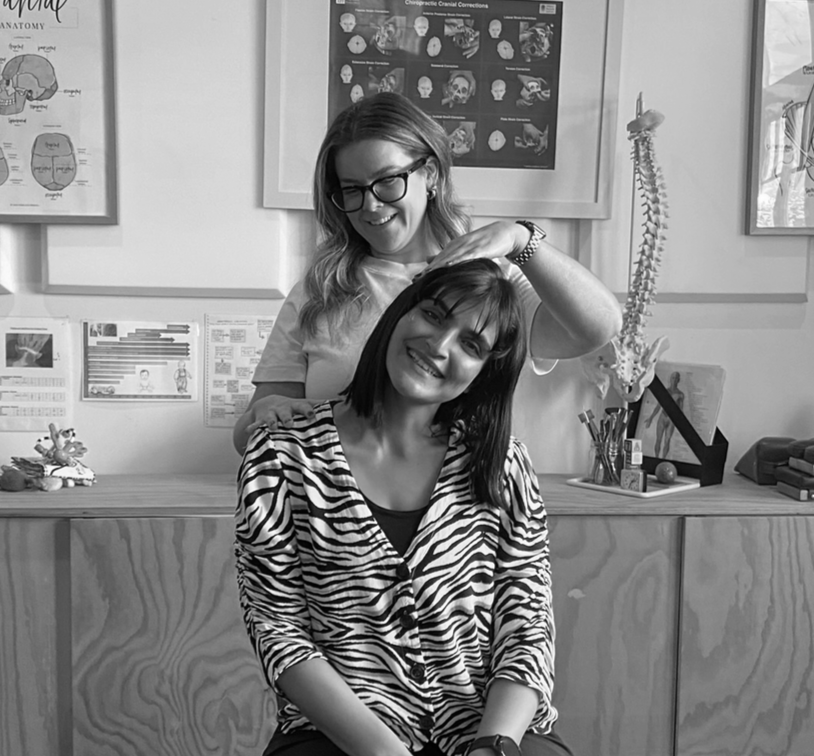
Pinched Nerve in the Neck: Symptoms, Causes & Natural Relief
“I’ve got pain running down my arm.”
A pinched nerve in the neck can cause pain that travels into the shoulder, arm, or hand, often accompanied by tingling or numbness. These symptoms usually occur when cervical nerves become irritated or compressed. Learn the common causes of cervical nerve irritation, practical home relief tips, and how chiropractic care at Nomad Chiropractic Mosman may help support recovery.

Neck Pain and Headaches: The Hidden Connection
“I get headaches after sitting at the computer all day.”
Did you know your headaches may actually start in your neck? Neck tension, posture strain, and restricted cervical joints can trigger headaches that begin at the base of the skull and travel into the temples or eyes. Learn how the neck–head connection works, simple home relief strategies, and how chiropractic care at Nomad Chiropractic Mosman may help manage recurring headaches.
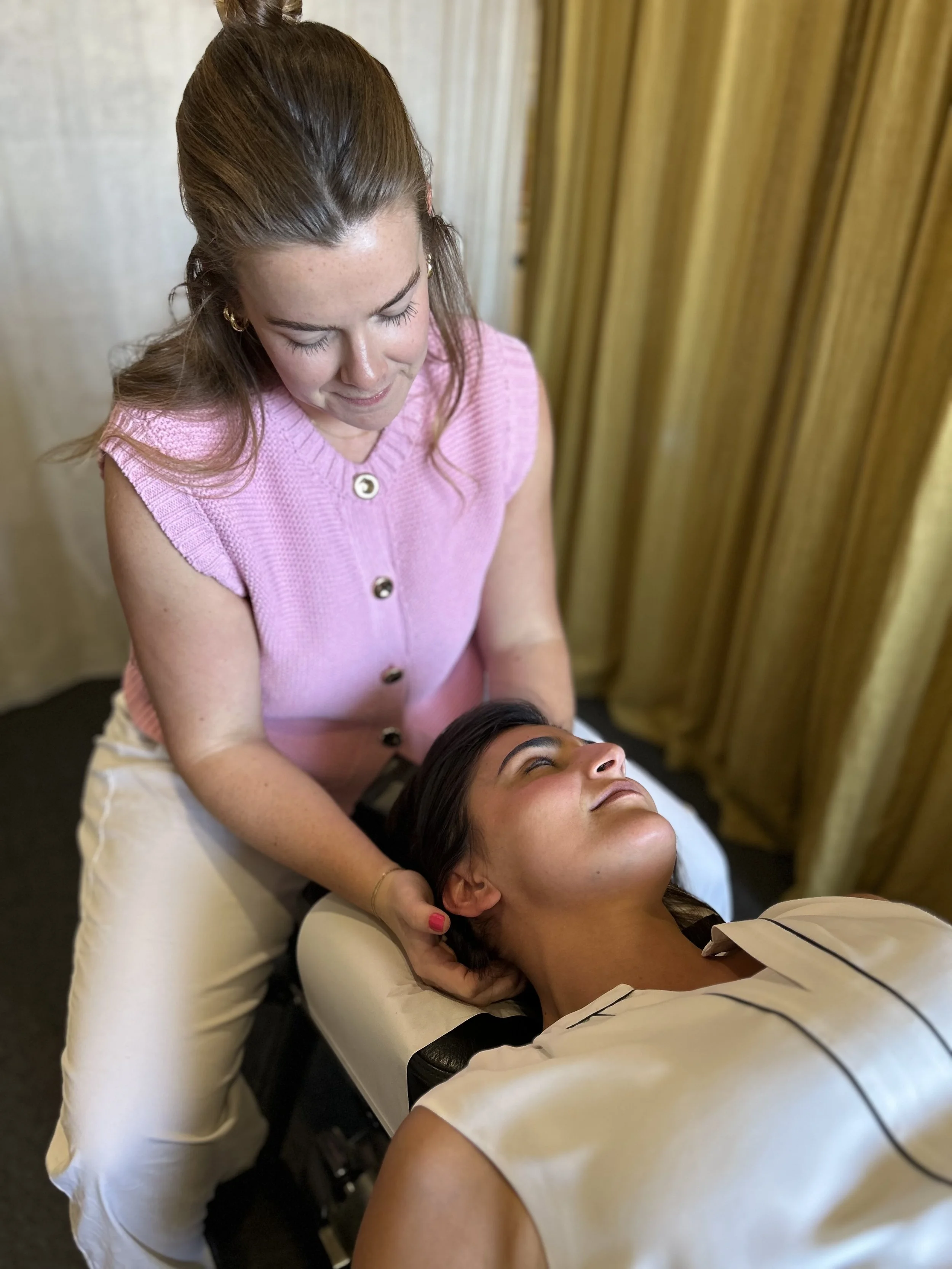
Stiff Neck: Causes, Relief & When to See a Chiropractor
“I’ve woken up with a stiff neck!”
A stiff neck can appear suddenly and make everyday activities uncomfortable. It’s commonly caused by posture strain, sleeping position, muscle tension, or restricted movement in the cervical spine. This guide explains the causes of neck stiffness, practical home care tips, and how chiropractic care at Nomad Chiropractic Mosman may help restore comfortable neck mobility.
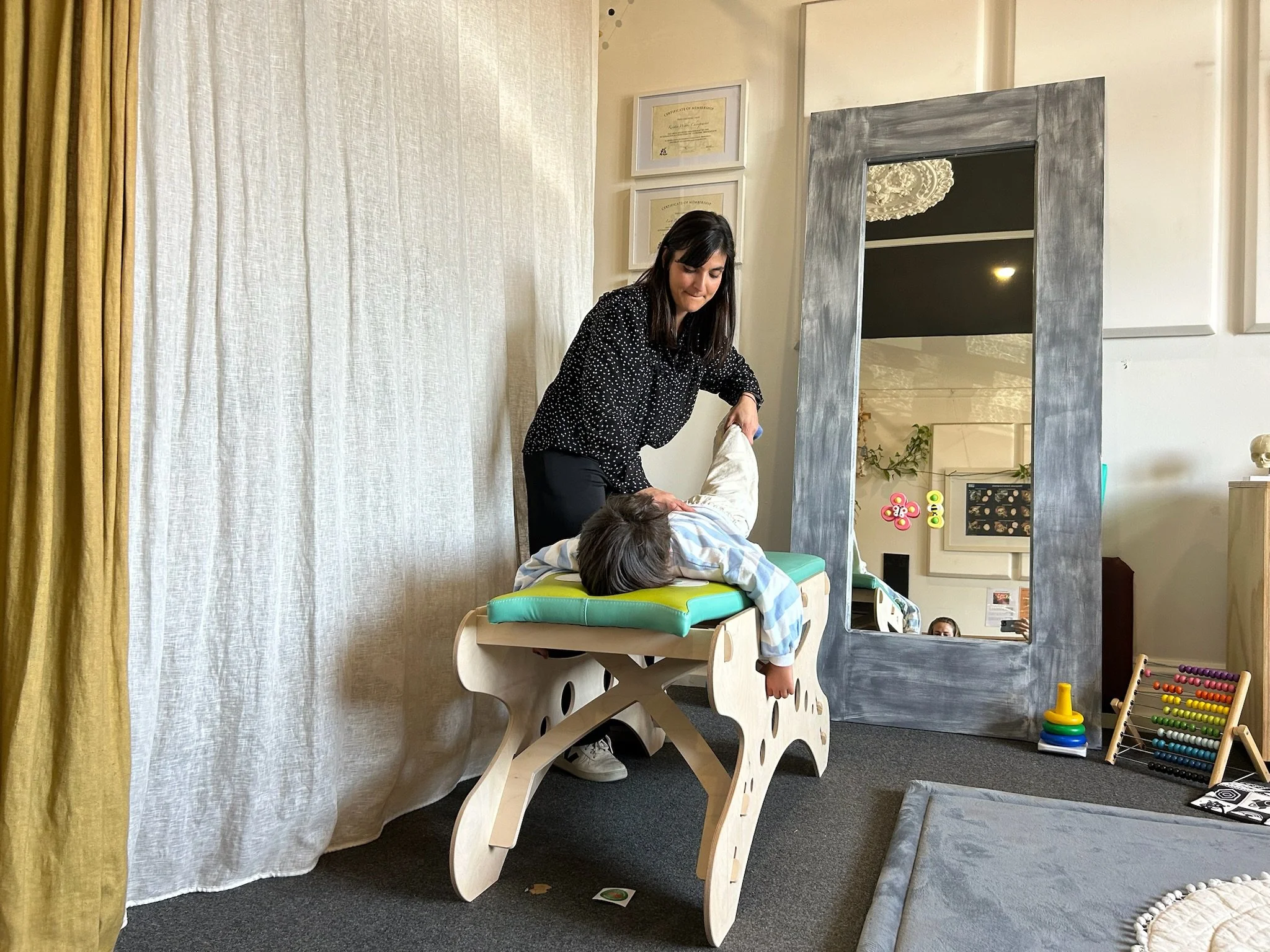
Posture Through Life: How Babies, Kids, Adults and Seniors Develop Different Postural Patterns
Age & Posture
Posture evolves throughout life, from early movement milestones in babies to workplace habits in adults. Growth, movement patterns and daily activities all influence spinal alignment. Understanding these changes can help identify early signs of postural stress and support healthier spinal development through movement, exercise and professional care.

Tech Neck: The Hidden Effects of Phones, Laptops and Modern Work
Devices, tech Neck & Posture
“Tech neck” describes the neck strain caused by prolonged phone and computer use. Looking down at devices places increasing pressure on the cervical spine and surrounding muscles, which may contribute to neck stiffness, headaches and shoulder tension. Understanding the early warning signs of tech neck and making simple posture adjustments can help reduce strain and support healthier spinal movement.

The Modern Posture Problem: Why Sitting, Screens and Stress Are Changing Our Spines
Poor Posture
Poor posture has become one of the most common causes of neck pain, headaches and back tension. Long hours sitting, excessive screen use and reduced movement place increasing strain on the spine. In this article, we explain why posture matters, the early warning signs of postural stress and practical ways to support spinal health with simple daily habits and chiropractic care.

The Landau Reflex: What It Is, Signs of Retention, and How to Support Posture, Strength, and Nervous System Maturity
Landau Postural Reflex (Retained Primitive Reflexes)
The Landau Reflex is a developmental reflex that helps babies build strength against gravity and develop postural control. When poorly developed or retained beyond infancy, it can affect posture, endurance, balance, and coordination. This article explains the signs of Landau Reflex challenges in children and adults—and how nervous system-focused chiropractic care can support improved stability, posture, and movement efficiency.

The Stepping Reflex: What It Is, Signs of Retention, and How to Support Walking, Coordination, and Nervous System Development
Stepping Reflex (Retained Primitive Reflexes)
The Stepping Reflex is an early developmental reflex that prepares the nervous system for walking. When retained beyond infancy, it may influence gait patterns, balance, coordination, and lower-body stability. This article explains the signs of retained Stepping Reflex in children and adults—and how nervous system-focused chiropractic care can support improved movement efficiency and neurological regulation.

The Babinski Reflex: What It Is, Signs of Retention, and How to Support Neurological Maturity, Gait, and Nervous System Regulation
Babinski Reflex (Retained Primitive Reflexes)
The Babinski Reflex is an early neurological reflex seen in infants that reflects developing brain and spinal cord pathways. When retained beyond early childhood, it may influence walking patterns, balance, coordination, and foot sensitivity. This article explains the signs of retained Babinski Reflex in children and adults—and how nervous system-focused chiropractic care can support improved stability and movement efficiency.

The Palmomental Reflex: What It Is, Signs of Retention, and How to Support Emotional Regulation, Oral Control, and Nervous System Maturity
Palmomental Reflex (Retained Primitive Reflexes)
The Palmomental Reflex is a primitive reflex that links stimulation of the palm with movement of the chin or mouth. When retained beyond infancy, it may contribute to oral habits such as nail biting, jaw tension, emotional reactivity, and stress sensitivity. This article explains the signs of retained Palmomental Reflex and how nervous system-focused chiropractic care may support improved regulation and relaxation.
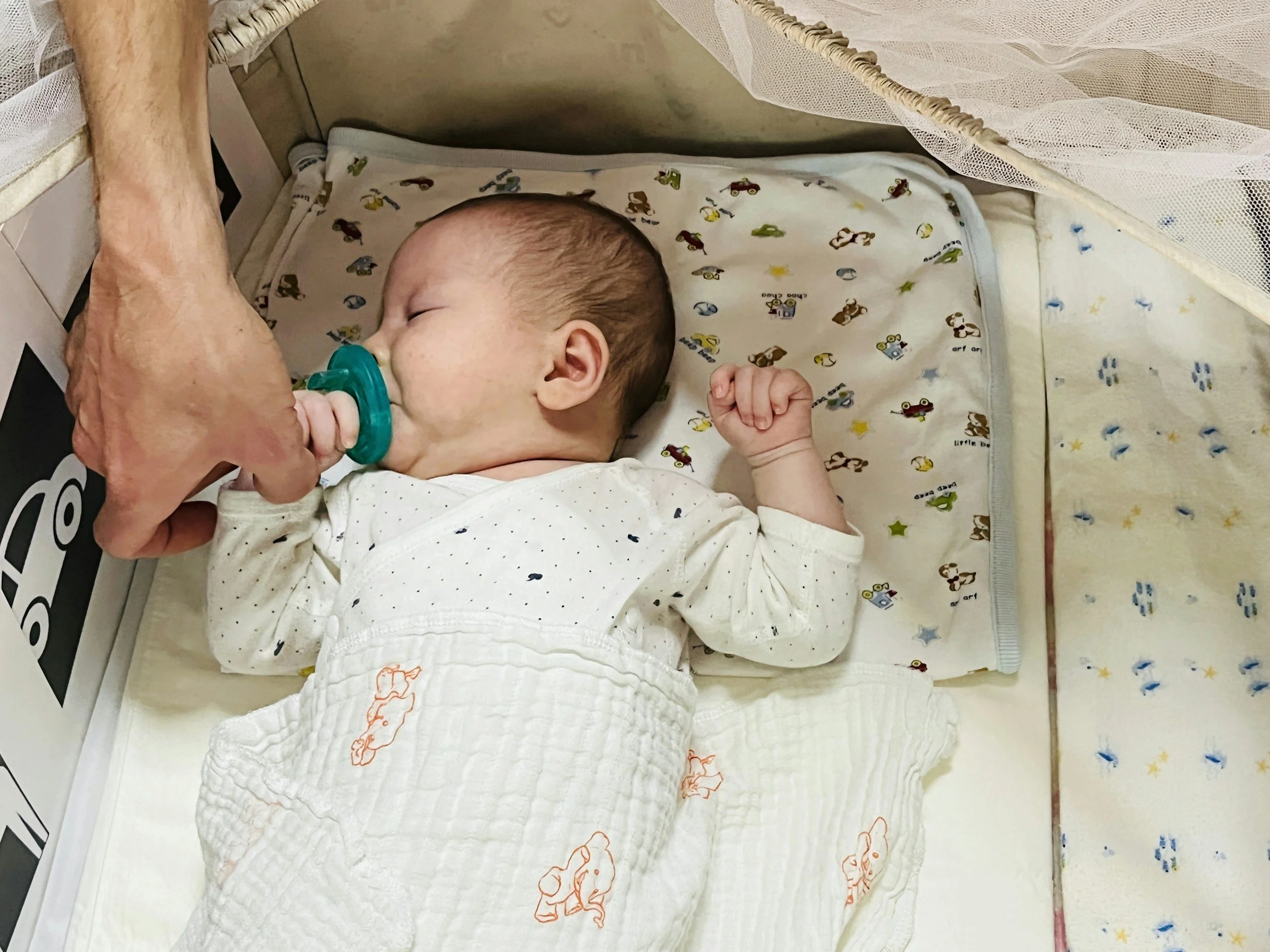
The Suck Reflex: What It Is, Signs of Retention, and How to Support Feeding, Speech, and Nervous System Regulation
Suck Reflex (Retained Primitive Reflexes)
The Suck Reflex is an early feeding reflex that allows babies to coordinate sucking, swallowing, and breathing for nourishment. When retained beyond infancy, it can influence oral habits, speech development, mouth breathing, jaw tension, and feeding efficiency. This article explains the signs of retained Suck Reflex in children and adults—and how nervous system-focused chiropractic care can support improved oral coordination and regulation.

The Rooting Reflex: What It Is, Signs of Retention, and How to Support Feeding, Oral Development, and Nervous System Regulation
Rooting Reflex (Retained Primitive Reflexes)
The Rooting Reflex is an early feeding reflex that helps newborns locate and latch for nourishment. When retained beyond infancy, it can affect feeding efficiency, oral motor control, speech development, jaw tension, and neck posture. This article explains the signs of retained Rooting Reflex in babies, children, and adults—and how nervous system-focused chiropractic care can support improved regulation and coordination.

The Plantar Reflex: What It Is, Signs of Retention, and How to Support Balance, Gait, and Nervous System Development
Plantar Reflex (Retained Primitive Reflexes)
The Plantar Reflex is an early primitive reflex that supports foot development and preparation for walking. When retained beyond infancy, it can contribute to toe walking, balance challenges, foot tension, and postural instability. This article explains the signs of retained Plantar Reflex in children and adults—and how nervous system-focused chiropractic care can support improved gait, coordination, and stability.
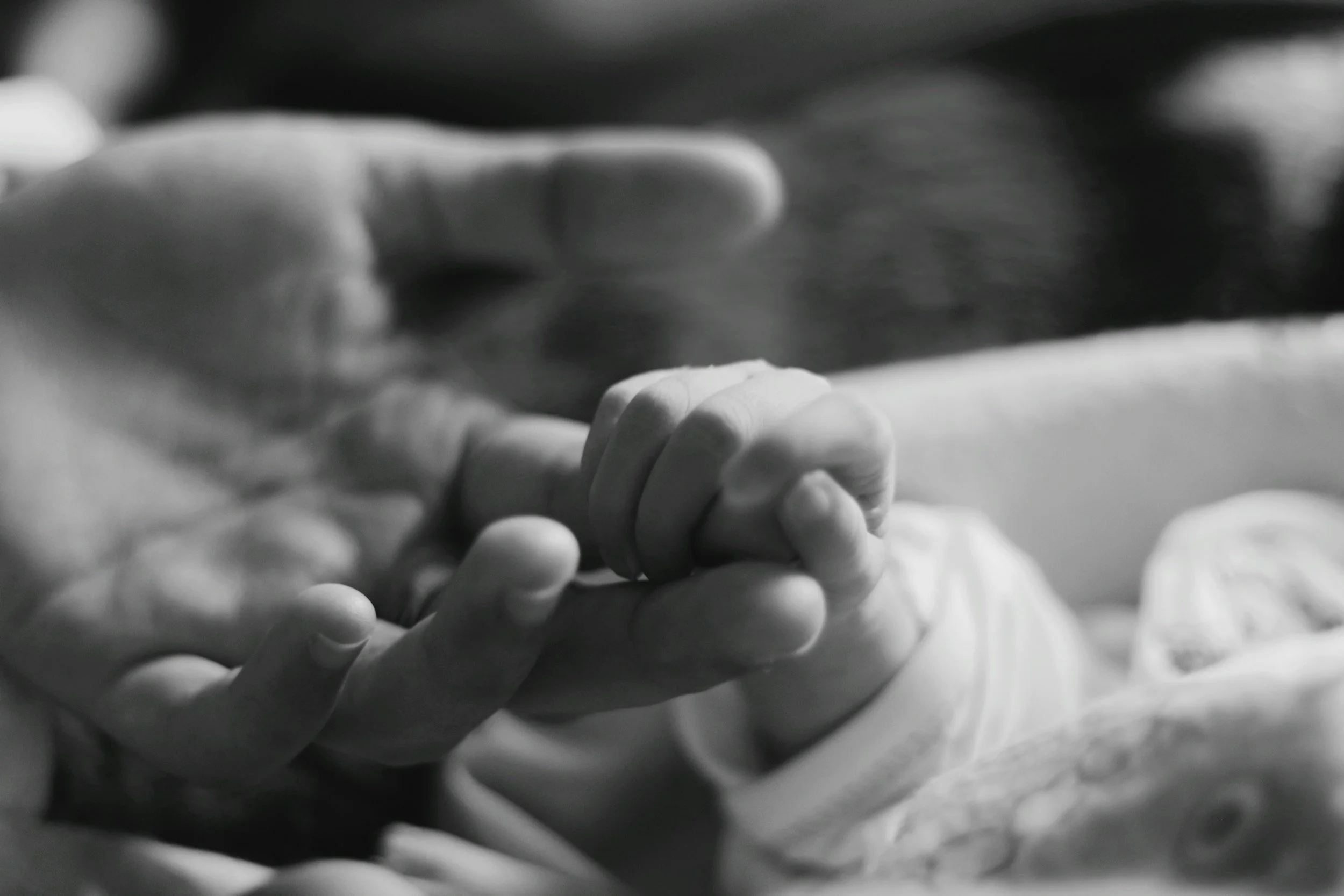
The Grasp Reflex (Palmar & Plantar): What It Is, Signs of Retention, and How to Support Fine Motor Skills, Posture, and Nervous System Development
Grasp (Retained Primitive Reflexes)
The Grasp Reflex is an early developmental reflex that supports sensory and motor development through the hands and feet. When retained beyond infancy, it can affect pencil grip, handwriting endurance, toe walking, balance, and coordination. This article explains the signs of retained Grasp Reflex in children and adults—and how nervous system-focused chiropractic care can support improved motor control and regulation.

The ATNR (Asymmetrical Tonic Neck Reflex): What It Is, Signs of Retention, and How to Support Coordination, Learning, and Nervous System Maturity
ATNR (Retained Primitive Reflexes)
The ATNR (Asymmetrical Tonic Neck Reflex) is a developmental reflex that helps infants build early hand–eye coordination. When retained beyond infancy, it can affect posture, midline stability, handwriting endurance, coordination, and focus. This article explains the signs of retained ATNR in children and adults—and how nervous system-focused chiropractic care can support improved motor control and learning efficiency.

The TLR (Tonic Labyrinthine Reflex): What It Is, Signs of Retention, and How to Support Balance, Posture, and Nervous System Regulation
TLR (Retained Primitive Reflexes)
The Tonic Labyrinthine Reflex (TLR) is an early postural reflex that supports balance and muscle tone. When retained beyond infancy, it can affect posture, coordination, endurance, and spatial awareness. This article outlines the signs of retained TLR in babies, children, and adults—and explains how nervous system-focused chiropractic care can support improved regulation, stability, and movement efficiency.

The STNR (Symmetrical Tonic Neck Reflex): What It Is, Signs of Retention, and How to Support Posture, Focus, and Coordination
STNR (Retained Primitive Reflexes)
The STNR (Symmetrical Tonic Neck Reflex) is a developmental reflex that helps babies transition into crawling. When retained beyond infancy, it can contribute to poor posture, difficulty sitting still, handwriting fatigue, coordination challenges, and reduced focus. This article explains the signs of retained STNR in children and adults—and how nervous system-focused chiropractic care can support improved stability, motor control, and regulation.