
Proprioception, Balance, and Healthy Ageing
Proprioception is the nervous system’s ability to sense body position, movement, and balance. In seniors, reduced proprioceptive input from joints, muscles, and the spine can contribute to poor balance, unsteadiness, and increased fall risk. Balance decline is not simply a strength issue — it is primarily neurological.
Research shows that proprioception and balance can be retrained at any age through targeted movement, balance challenges, spinal mobility, and nervous system-focused care. Chiropractic care supports senior balance by improving joint motion, enhancing sensory feedback to the brain, and supporting postural reflexes.
At Nomad Chiropractic Mosman, seniors receive evidence-informed, gentle chiropractic care alongside practical balance and movement strategies to improve confidence, stability, and independence. This proactive approach helps reduce falls and supports healthy ageing across Mosman, the North Shore, and Northern Beaches.
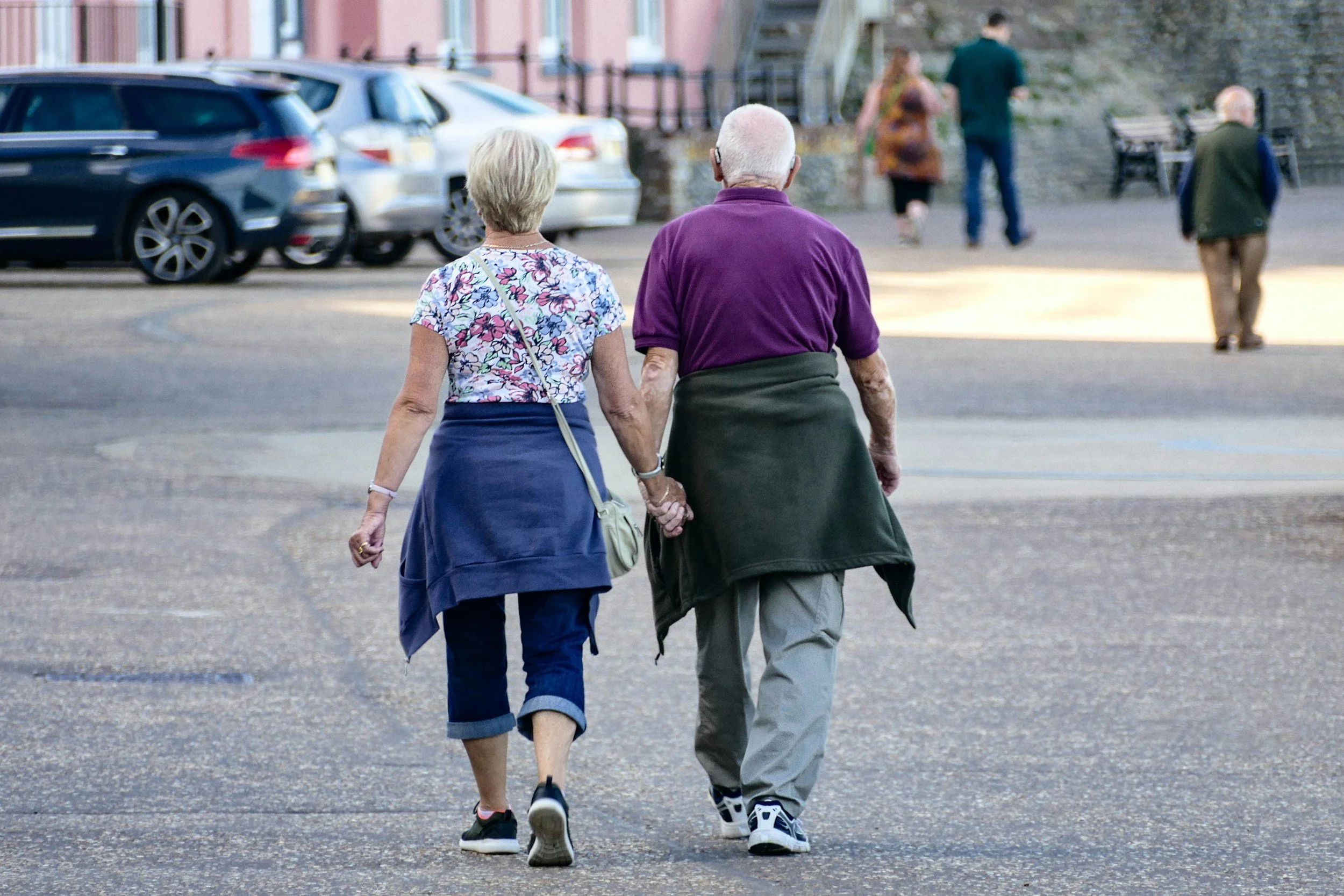
Why Your Nervous System Matters More Than You Think as You Get Older
As we age, many people accept changes in balance, confidence with movement, or fear of falling as “just part of getting older.” But from a neurological and musculoskeletal perspective, that story is incomplete — and honestly, a little unfair on the body.
At Nomad Chiropractic Mosman, we take a very different view.
Balance, coordination, and body awareness are not passive traits you either “have” or “lose.” They are trainable neurological skills, deeply connected to how well your nervous system is receiving, processing, and responding to information from the body.
At the heart of this system is proprioception — one of the most important (and least talked about) senses for healthy ageing.
This article is a deep, educational look at:
What proprioception actually is
Why balance changes with age
The neurological drivers of falls
Evidence-based ways to retrain balance and body awareness
Where chiropractic care fits into a proactive, modern approach to senior health
Our goal is not just fall prevention — it’s confidence, independence, and quality of life.
What Is Proprioception?
Proprioception is often described as the body’s “sixth sense.”
It is the brain’s ability to know:
Where your body is in space
How your joints are moving
How much force your muscles are using
Whether you are stable, off-balance, or about to fall
This information comes from specialised sensory receptors located in:
Muscles
Tendons
Ligaments
Joint capsules
The skin
These receptors constantly send signals to the brain and spinal cord. Your nervous system integrates this information with input from:
The visual system (eyes)
The vestibular system (inner ear balance organs)
Together, these systems allow you to:
Walk without watching your feet
Recover quickly if you trip
Stand on uneven ground
Turn your head without losing balance
When proprioception is clear and accurate, movement feels easy and automatic.
When it’s impaired, balance becomes effortful — and risky.
Why Proprioception Declines With Age
Ageing affects balance not because the body is “wearing out,” but because sensory input and neurological processing become less efficient over time.
Key age-related changes include:
1. Reduced Joint & Muscle Receptor Sensitivity
Receptors in joints and muscles become less responsive, particularly in:
Ankles
Knees
Hips
Spine
This means the brain receives less precise information about joint position and movement.
2. Spinal & Postural Changes
Degenerative changes, stiffness, or reduced spinal mobility can interfere with:
Normal joint movement
Sensory feedback to the brain
Reflexive postural responses
3. Slower Nervous System Processing
Reaction time naturally slows with age, especially if movement is not regularly challenged.
4. Reduced Movement Variety
Many seniors unintentionally limit movement due to:
Fear of falling
Pain
Habitual routines
This leads to “sensory deprivation” — the nervous system stops receiving rich, varied input, so it becomes less adaptable.
5. Visual Dependence
When proprioception declines, the brain relies more heavily on vision. This works… until:
Lighting is poor
Surfaces are uneven
The head turns quickly
This is why many falls occur at night, on stairs, or outdoors.
Balance Is a Brain Skill, Not Just a Muscle Skill
It’s common to hear advice like “strengthen your legs to improve balance.”
Strength matters — but balance is primarily neurological.
Good balance requires:
Accurate sensory input
Fast integration in the brain
Appropriate muscular response
You can have strong legs and still feel unsteady if the brain doesn’t trust the information it’s receiving.
This is why balance training must involve:
Joint movement
Weight shifting
Coordination
Sensory challenge
Not just seated exercises or machine-based strength work.
The Real Cost of Falls (And Fear of Falling)
Falls are one of the leading causes of injury and loss of independence in older adults.
But just as important is the fear of falling, which often leads to:
Reduced activity
Social withdrawal
Deconditioning
Loss of confidence
Accelerated decline
Once movement becomes something to avoid, the nervous system loses even more sensory input — creating a vicious cycle.
The good news? This cycle is reversible with the right approach.
Proprioception Can Be Trained at Any Age
The nervous system remains adaptable throughout life — a concept known as neuroplasticity.
Even in later decades, the brain can:
Improve sensory processing
Strengthen neural connections
Restore confidence with movement
The key is intentional, progressive challenge.
Practical, Evidence-Informed Balance Strategies for Seniors
Here are actionable steps we commonly recommend at Nomad Chiropractic Mosman.
1. Daily Balance Exposure (Small but Consistent)
Balance improves through frequent, low-dose challenge.
Examples:
Standing on one leg while brushing teeth
Gentle heel-to-toe walking along a bench or hallway
Weight-shifting side to side while standing
Aim for 30–60 seconds, multiple times per day.
2. Reduce Visual Reliance (Safely)
Once comfortable, lightly challenge vision:
Balance near a bench or wall
Close eyes briefly (2–5 seconds)
Turn the head slowly while standing
This forces the brain to re-engage proprioceptive and vestibular input.
3. Ankle & Foot Awareness
The feet are rich in proprioceptors — and often neglected.
Helpful practices:
Barefoot balance on safe surfaces
Slow calf raises
Toe lifts
Rolling the sole of the foot on a soft ball
4. Gentle Spinal Mobility
The spine is a major sensory highway to the brain.
Simple movements:
Seated spinal rotation
Cat-cow style movements (adapted)
Thoracic extension over a chair
Movement quality matters more than range.
5. Strength With Purpose
Strength training should include:
Standing exercises
Multi-joint movements
Changes in direction
This integrates strength with balance and coordination.
Where Chiropractic Care Fits In
Chiropractic care plays a unique and often misunderstood role in senior balance and proprioception.
At Nomad Chiropractic Mosman, our focus is neurologically-informed care — not just symptom relief.
1. Joint Motion & Sensory Input
Healthy joint movement is essential for clear proprioceptive signalling.
Restricted or dysfunctional joints:
Provide poor sensory feedback
Alter postural reflexes
Increase reliance on compensatory strategies
Gentle, age-appropriate chiropractic adjustments help restore normal joint motion and improve the quality of sensory input reaching the brain.
2. Spinal Health & Balance Reflexes
The spine houses and protects the spinal cord — a key player in balance reflexes.
Improved spinal mobility supports:
Faster postural responses
Better coordination between body segments
Improved confidence with movement
3. Nervous System Regulation
Chronic pain, stress, or stiffness can keep the nervous system in a guarded state.
Care aimed at improving spinal function can:
Reduce protective muscle tension
Improve movement efficiency
Encourage safer, more fluid balance responses
4. Integrated Care Planning
Chiropractic care works best when combined with:
Balance training
Strength work
Home exercises
Lifestyle support
This is how we help seniors stay active — not just avoid injury.
A Proactive Model of Ageing
Healthy ageing is not about being “careful.”
It’s about being:
Capable
Confident
Connected to your body
Proprioception and balance are not luxuries — they are foundational skills that support independence, mobility, and enjoyment of life.
At Nomad Chiropractic Mosman, we believe seniors deserve:
Clear explanations
Evidence-informed care
Practical tools they can use daily
Because ageing well is not about slowing down — it’s about moving well.
When to Seek Professional Support
Consider a professional assessment if you or a loved one experiences:
Recurrent unsteadiness
Recent falls or near-falls
Loss of confidence with walking
Difficulty on uneven ground or stairs
Reduced activity due to fear of falling
Early intervention makes a significant difference.
……
Balance is not just about muscles.
It’s about the brain trusting the body.
With the right input, guidance, and support, seniors can continue to move with strength, stability, and confidence — at any age.
If you’re ready to take a proactive approach to balance, proprioception, and healthy ageing, our team at Nomad Chiropractic in Mosman is here to help.
FREQUENTLY ASKED QUESTIONs: Balance and Proprioception
-
Balance problems in seniors are commonly caused by reduced proprioception, slower nervous system processing, joint stiffness, spinal changes, reduced movement variety, and increased reliance on vision. These changes affect how the brain receives and responds to sensory information needed for stable movement.
-
Yes. Balance and proprioception are trainable neurological skills. Regular balance exercises, spinal mobility, strength training, and nervous system-focused care can significantly improve stability and confidence at any age.
-
Chiropractic care improves joint motion and spinal function, enhancing proprioceptive input to the brain. This supports better postural reflexes, coordination, and balance, especially when combined with targeted movement and strength strategies.
-
Balance declines with age due to reduced proprioceptive input from joints and muscles, spinal stiffness, slower nervous system processing, and decreased movement variety. These changes affect how the brain senses body position and responds to balance challenges.
-
Proprioception is the body’s ability to sense movement and position. For seniors, good proprioception is essential for walking safely, recovering from trips, navigating uneven surfaces, and maintaining independence.
-
Chiropractic care can support fall prevention by improving joint motion, spinal mobility, and sensory feedback to the nervous system. When combined with balance and strength exercises, it helps improve stability and confidence with movement.
-
Yes, when appropriately tailored. Gentle, progressive balance exercises performed near support surfaces are safe and effective for seniors. A professional assessment ensures exercises are matched to individual ability and needs.
-
A senior should seek assessment if they experience unsteadiness, fear of falling, recent falls, difficulty on stairs or uneven ground, or reduced confidence with walking. Early intervention improves outcomes and independence.
If you’re ready to take a proactive approach to balance, proprioception, and healthy ageing, our team at Nomad Chiropractic Mosman is here to help.
Want to learn more? Book a FREE 15min discovery call with one of our North Shore Chiropractors today: Book HERE
-
Proske U, Gandevia SC. The proprioceptive senses: their roles in signaling body shape, body position and movement, and muscle force. Physiol Rev. 2012.
Goble DJ et al. Proprioceptive deficits in elderly people. Age Ageing. 2009.
Horak FB. Postural orientation and equilibrium: what do we need to know about neural control of balance? Age Ageing. 2006.
Lord SR et al. Falls in older people: risk factors and strategies for prevention. Cambridge University Press.
Maki BE, McIlroy WE. Control of rapid limb movements for balance recovery. J Gerontol A Biol Sci Med Sci.
Shumway-Cook A, Woollacott M. Motor Control: Translating Research into Clinical Practice. Lippincott Williams & Wilkins.
Clark NC. Functional performance testing following exercise intervention in older adults. J Aging Phys Act.
Haavik H, Murphy B. The role of spinal manipulation in sensorimotor integration. J Electromyogr Kinesiol.
Seidler RD et al. Motor control and aging: links to age-related brain structural, functional, and biochemical effects. Neurosci Biobehav Rev.
Rubenstein LZ. Falls in older people: epidemiology, risk factors and strategies for prevention. Age Ageing.
-
The information provided on this website is for general educational purposes only and is not intended to replace professional healthcare advice, diagnosis, or treatment. Chiropractic care may assist with musculoskeletal function and nervous system health; however, individual outcomes may vary.
This content does not constitute medical advice and should not be used to diagnose or treat any health condition. Always seek advice from a registered healthcare professional if you have concerns about your symptoms, particularly if symptoms are severe, worsening, or persistent.
If you experience red flag symptoms such as unexplained weight loss, fever, loss of bladder or bowel control, progressive weakness, or significant trauma, seek immediate medical attention.
Nomad Chiropractic practitioners are registered with the Australian Health Practitioner Regulation Agency (AHPRA) and provide care in accordance with Australian healthcare standards and scope of practice.