
Forward Head Posture (Tech Neck): Causes, Symptoms and How to Fix It Naturally
Forward head posture (often called tech neck) is one of the most common posture issues today, driven by screen use and daily habits. It places increased strain on the neck, shoulders and spine, often leading to tension, headaches and fatigue. This article explains what causes forward head posture, how it affects your body, and how to correct it naturally with simple strategies and targeted care.
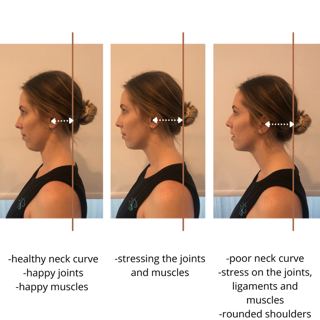
Look at someone sitting on their phone or laptop.
Chances are you’ll see it:
head pushed forward
shoulders rounded
upper back slightly hunched
Now check yourself.
If you’ve ever wondered:
“Why is my head sitting forward on my neck?”
“Why does my neck feel tight all the time?”
“How do I fix tech neck or forward head posture?”
You’re not alone.
👉 Forward head posture is one of the most common posture changes we see in practice.
WHAT IS FORWARD HEAD POSTURE?
Forward head posture happens when your head sits in front of your shoulders, instead of stacked directly above them.
Even a small shift forward increases load on your neck.
Research suggests that for every few centimetres your head moves forward, the effective weight on your cervical spine increases significantly — placing added strain on muscles and joints.
👉 That’s why it can feel:
tight
heavy
tiring
Even when you haven’t done much physically.
WHAT CAUSES TECH NECK OR FORWARD HEAD POSTURE?
1. Screen use (phones, laptops, tablets)
This is the biggest driver.
Looking down repeatedly:
trains your body into that position
reinforces forward head posture
creates long-term adaptation
2. Desk and work setup
If your:
screen is too low
chair isn’t supportive
you sit for long periods
Your posture gradually shifts forward.
3. Muscle imbalance
Over time:
chest muscles tighten
upper back muscles weaken
neck muscles compensate
👉 This pulls your posture forward.
4. Reduced spinal movement
When joints in the spine aren’t moving well:
the body compensates
posture becomes harder to maintain
5. Stress and fatigue
Stress often leads to:
shoulder tension
protective postures
shallow breathing
👉 All of which can contribute to forward head posture.
SYMPTOMS OF FORWARD HEAD POSTURE
You might notice:
Tight neck and shoulders
Frequent headaches or migraines
Mid-back stiffness
Jaw tension (TMJ symptoms)
Fatigue or heaviness in the upper body
Reduced range of motion in the neck
Forward head posture has also been associated with neck pain and altered spinal loading patterns. (pmc.ncbi.nlm.nih.gov)
WHY IT DOESN’T FIX ITSELF
You might try:
sitting up straight
stretching
being more aware
But it doesn’t last.
That’s because forward head posture becomes a pattern, not just a position.
It’s influenced by:
nervous system control
muscle memory
daily habits
👉 Without addressing the underlying drivers, the body returns to its default.
HOW TO FIX FORWARD HEAD POSTURE NATURALLY
The goal isn’t to force your posture.
It’s to support your body to hold it more easily.
1. Change your screen habits
Bring your phone up to eye level
Raise your laptop or monitor
Avoid long periods looking down
Use a standing work station
👉 Small changes = big impact over time
2. Break up static positions
Stand up regularly
Move every 30–60 minutes
Stretch gently
👉 Movement resets posture patterns
3. Strengthen the right areas
Focus on:
upper back strength
deep neck stabilisers
postural endurance
Keep it simple and consistent.
4. Improve spinal mobility
Gentle movement:
thoracic extension
neck mobility
👉 Helps reduce compensation patterns
5. Address the underlying cause
If posture keeps returning:
👉 there’s usually more going on:
joint restriction
muscle imbalance
nervous system patterning
HOW CHIROPRACTIC CARE CAN HELP TECH NECK
Chiropractic care focuses on:
restoring movement in the spine
reducing tension patterns
improving how your body holds posture
The Australian Spinal Research Foundation highlights the relationship between posture, spinal function and overall wellbeing.
At Nomad Chiropractic Mosman, care for forward head posture includes:
posture and movement assessment
identifying underlying drivers
tailored care plans
simple, realistic guidance
👉 So changes actually last.
WHAT MOST PEOPLE DON’T REALISE
Forward head posture doesn’t just affect your neck.
It can influence:
breathing patterns
energy levels
overall comfort in your body
👉 It’s not just aesthetic — it’s functional.
WHEN TO GET HELP
If you’re noticing:
ongoing neck tension
worsening posture
headaches or fatigue
It’s worth getting assessed.
Forward head posture is one of the most common patterns we see, and early intervention can make a big difference.
Forward Head Posture FAQ
What is forward head posture?
It’s when your head sits in front of your shoulders instead of being aligned over them.
Can forward head posture be corrected?
Yes, in most cases it can improve with the right combination of movement, awareness and care.
How long does it take to fix tech neck?
Some people notice changes within weeks, but lasting improvements take consistent care over time.
Does forward head posture cause headaches?
It can contribute to tension headaches due to increased strain on the neck and surrounding muscles.
Do I need exercises or treatment?
Both can help. Exercises support change, while treatment can address underlying restrictions.
Forward head posture, or tech neck, is a common issue caused by modern habits like screen use and prolonged sitting. It can lead to neck tension, headaches and fatigue. Improving posture requires more than just sitting up straight — it involves addressing movement, muscle balance and underlying patterns. With the right approach, long-term posture improvement is achievable.
You don’t need to keep adjusting your posture all day.
👉 Your body should be able to hold it for you.
If you’re in Mosman, Neutral Bay, Cremorne, Cammeray, Crows Nest or across Sydney’s North Shore and Lower Northern Beaches:
Book your posture assessment at Nomad Chiropractic and get a clear plan to improve your posture long term.
Want to learn more? Book a FREE 15min discovery call with one of our North Shore Chiropractors today: Book HERE
-
Australian Spinal Research Foundation – Posture Series
https://spinalresearch.com.au/ASRF – Posture and Function
https://spinalresearch.com.au/posture-headaches-and-mental-clarity-a-case-for-chiropractic-care/PMC – Posture and neck pain
https://pmc.ncbi.nlm.nih.gov/articles/PMC10548303/RACGP – Posture clinical concepts
https://www1.racgp.org.auJournal of Physical Therapy Science – Forward head posture research
-
The information provided on this website is for general educational purposes only and is not intended to replace professional healthcare advice, diagnosis, or treatment. Chiropractic care may assist with musculoskeletal function and nervous system health; however, individual outcomes may vary.
This content does not constitute medical advice and should not be used to diagnose or treat any health condition. Always seek advice from a registered healthcare professional if you have concerns about your symptoms, particularly if symptoms are severe, worsening, or persistent.
If you experience red flag symptoms such as unexplained weight loss, fever, loss of bladder or bowel control, progressive weakness, or significant trauma, seek immediate medical attention.
Nomad Chiropractic practitioners are registered with the Australian Health Practitioner Regulation Agency (AHPRA) and provide care in accordance with Australian healthcare standards and scope of practice.
Small posture changes today can help protect your spine from years of unnecessary strain.