
Why Your Posture Keeps Getting Worse (Even When You Try to Fix It)
If your posture keeps getting worse despite trying to fix it, it’s likely not just a habit — it’s driven by deeper patterns in your spine, muscles and nervous system. This article explains why posture changes over time, what’s really causing it, and how to improve posture naturally with realistic strategies that support long-term change.
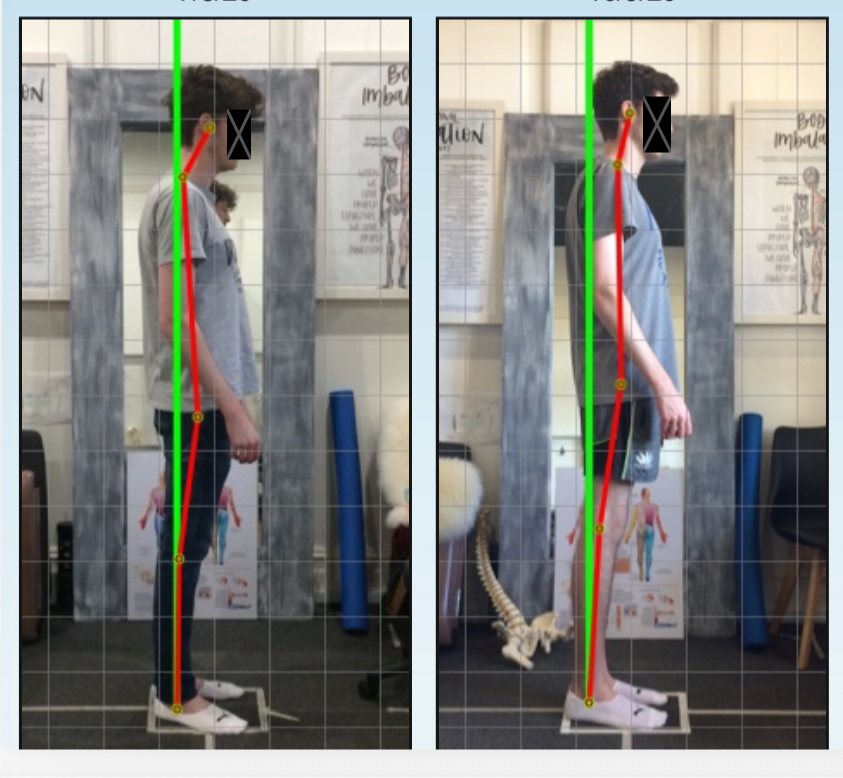
You’ve probably caught yourself doing it.
Sitting up straight…
Pulling your shoulders back…
Adjusting your posture — again.
And yet, within minutes… you’re back in the same position.
If you’ve ever thought:
“Why does my posture keep getting worse over time?”
“Why can’t I fix my posture no matter how hard I try?”
“Why do I keep slouching even when I’m aware of it?”
You’re not alone.
And more importantly — it’s not just a discipline problem.
POSTURE IS NOT JUST A HABIT
Most people are told posture is about:
sitting properly
standing straight
“being mindful”
But posture is actually something your body controls automatically.
It’s regulated by:
your nervous system
muscle tone and balance
joint movement in your spine
reflex pathways that keep you upright
Research shows posture is largely maintained by involuntary reflex control, not conscious effort.
👉 That means:
You can’t override poor posture long-term just by thinking about it.
WHY YOUR POSTURE KEEPS GETTING WORSE
1. Your body adapts to what you do most
If you:
sit at a desk
use your phone
feed or carry kids
drive long hours
Your body adapts.
Forward head posture, rounded shoulders and spinal tension become your new normal.
Over time:
muscles shorten or weaken
joints lose mobility
your body defaults into that position
2. Posture becomes a pattern, not a position
Posture isn’t static — it’s a pattern your brain repeats.
That’s why:
you “correct” your posture… then lose it
reminders don’t stick
exercises alone don’t fully fix it
Because the pattern hasn’t changed.
3. Your nervous system is involved
Posture is deeply linked to how your nervous system regulates your body.
The Australian Spinal Research Foundation highlights that posture impacts not just pain, but broader body function — including breathing, stress responses and overall performance.
👉 This means:
stress can worsen posture
posture can influence how your body feels and functions
It’s a two-way relationship.
4. Movement matters more than “perfect posture”
Interestingly, research suggests there’s no single perfect posture — what matters more is how your body moves and adapts over time.
👉 The real issue isn’t:
“bad posture”
It’s:
staying in one position too long
lack of movement variability
underlying tension patterns
5. Poor posture builds slowly over time
Posture changes don’t happen overnight.
They build through:
daily habits
repetitive stress
compensation patterns
And often:
people only notice once pain or tension shows up
⚠️COMMON SIGNS YOUR POSTURE IS CHANGING
Neck feels tight or stiff most days
Shoulders feel rounded or heavy
Mid-back tension or fatigue
Headaches or jaw tension
Lower back discomfort when sitting
Postural changes are also linked to back pain and spinal strain, particularly when maintained over long periods.
WHY “SITTING UP STRAIGHT” DOESN’T WORK
You’ve probably tried:
✔ Sitting upright
✔ Pulling shoulders back
✔ Adjusting your desk
But it doesn’t last.
That’s because:
it doesn’t address spinal movement
it doesn’t change muscle balance
it doesn’t retrain your nervous system
👉 So your body simply returns to its default.
HOW TO IMPROVE YOUR POSTURE NATURALLY
This is where things shift.
Instead of forcing posture, focus on supporting your body to hold it naturally.
1. Move more, not just “sit better”
Change positions regularly
Stand, stretch, walk
Avoid staying static for long periods
👉 Movement resets posture patterns.
2. Set up your environment properly
Use a standing work station
Screen at eye level
Feet flat on the floor
Support your lower back in an ergonomic chair if sitting
But remember:
👉 Setup helps — it doesn’t solve everything.
3. Strength + mobility (simple, not complicated)
Focus on:
upper back strength
chest opening
spinal mobility
Consistency > complexity.
4. Address the underlying cause
If posture keeps returning:
👉 there’s usually an underlying driver:
spinal restriction
muscle imbalance
nervous system patterning
This is where hands-on care can help.
HOW CHIROPRACTIC CARE CAN HELP POSTURE
Chiropractic care focuses on:
improving spinal movement
reducing tension patterns
supporting nervous system function
Research suggests chiropractic interventions can improve postural alignment and reduce associated pain.
At Nomad Chiropractic Mosman, posture care is about:
understanding what’s driving your posture
creating a realistic plan
supporting long-term change
👉 Not just quick fixes.
WHAT MOST PEOPLE REALISE TOO LATE
Most people we see have:
been dealing with posture issues for months or years
tried to fix it themselves
felt frustrated when it didn’t stick
Then realise:
👉 It wasn’t just a habit problem
👉 It was a pattern problem
WHEN TO SEEK HELP
If you’re noticing:
ongoing tension
worsening posture
recurring pain
It’s worth getting assessed.
Posture is one of the most common things seen in practice, and early support can prevent longer-term issues.
FAQ: Poor Posture
Why does my posture keep getting worse even when I try?
Because posture is controlled by underlying patterns in your nervous system, muscles and spine — not just conscious effort.
Can poor posture be reversed?
In most cases, yes. With the right approach, posture can improve significantly over time.
How long does it take to fix posture?
Many people notice changes within weeks, but long-term improvements take consistent care over time.
Is bad posture causing my neck or back pain?
It can contribute. Prolonged poor posture is linked to increased strain on the spine and surrounding tissues.
Do I need exercises or treatment?
Both can help. Exercises support change, while hands-on care can address underlying restrictions.
Posture problems are not just caused by poor habits — they are driven by deeper patterns in the spine, muscles and nervous system. Improving posture requires more than just sitting up straight. With the right combination of movement, awareness and targeted care, long-term posture change becomes achievable and sustainable.
If posture concerns are affecting comfort or movement, a spinal assessment may help identify contributing factors.
Want to learn more? Book a FREE 15min discovery call with one of our North Shore Chiropractors today: Book HERE
-
Australian Spinal Research Foundation – Posture Series
https://spinalresearch.com.au/ASRF – Posture, Headaches and Mental Clarity
https://spinalresearch.com.au/posture-headaches-and-mental-clarity-a-case-for-chiropractic-care/RACGP – The straight and narrow of posture
https://www1.racgp.org.auPMC – Postural Assessment in Clinical Practice
https://pmc.ncbi.nlm.nih.govPMC – Spinal posture and low back pain
https://pmc.ncbi.nlm.nih.govChiropractic & Osteopathy – Postural reflex control
Journal of Manipulative and Physiological Therapeutics / Chiropractic Medicine (via clinical summaries)
-
The information provided on this website is for general educational purposes only and is not intended to replace professional healthcare advice, diagnosis, or treatment. Chiropractic care may assist with musculoskeletal function and nervous system health; however, individual outcomes may vary.
This content does not constitute medical advice and should not be used to diagnose or treat any health condition. Always seek advice from a registered healthcare professional if you have concerns about your symptoms, particularly if symptoms are severe, worsening, or persistent.
If you experience red flag symptoms such as unexplained weight loss, fever, loss of bladder or bowel control, progressive weakness, or significant trauma, seek immediate medical attention.
Nomad Chiropractic practitioners are registered with the Australian Health Practitioner Regulation Agency (AHPRA) and provide care in accordance with Australian healthcare standards and scope of practice.
Small posture changes today can help protect your spine from years of unnecessary strain.