
Headaches in Children and Teens: What Every Parent Should Know
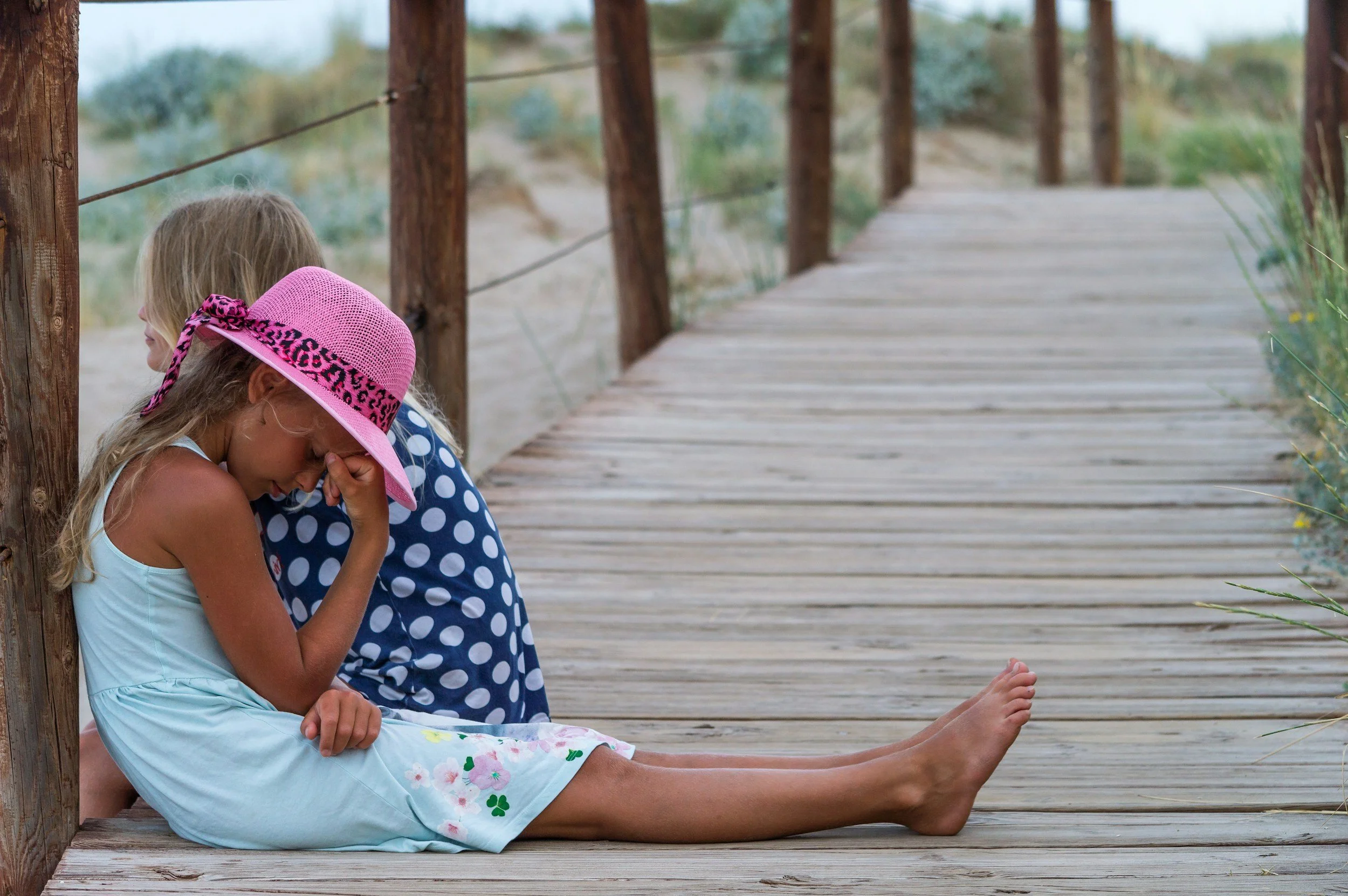
When a child or teenager starts complaining of headaches, it can be both worrying and confusing for parents. Is it just screen time? Are they dehydrated? Stressed? Or could there be something deeper going on in their spine, posture, or nervous system?
You’re not alone in asking these questions.
Headaches are surprisingly common in kids—and rates increase sharply during the teenage years. But despite how often they occur, they’re not always easy to understand or manage, especially when your child can’t fully describe what they’re feeling.
At Nomad Chiropractic Mosman, we take a whole-child, neurologically-focused approach to headaches in children and teens—looking at posture, growth, screen time, emotional stress, and spinal health to uncover the root cause and support the nervous system holistically.
Let’s explore why headaches are becoming more common in young people, what red flags to watch for, and how chiropractic care fits in.
All of our practitioners at our Lower North Shore clinic have additional training in paediatric chiropractic.
How Common Are Headaches in Kids?
Headaches are one of the most common complaints in childhood and adolescence.
Studies estimate that:
37–51% of children experience headaches by age 7
Up to 75% of teens report having a headache in the last year
Migraine affects around 10% of school-aged children and up to 28% of teens (Abu-Arafeh et al., 2010)
For some children, it’s an occasional mild issue. For others, it’s debilitating—interfering with school, sport, sleep, mood, and social life.
Common Types of Headaches in Children & Teens
The most common headaches we see in children and adolescents at our Sydney Paediatric focussed chiropractic clinic are:
1. Tension-Type Headaches
These feel like pressure or tightness around the head, often described as a “band” around the forehead or behind the eyes. They’re usually triggered by stress, screen time, or poor posture.
2. Cervicogenic Headaches
These originate in the neck or spine and are referred to the head. Often one-sided, they worsen with poor posture, backpack strain, or after sitting too long.
3. Migraine
These are more intense and often include nausea, light sensitivity, and possibly aura. In children, migraines are often shorter in duration but may be accompanied by abdominal pain, dizziness, or mood changes.
What’s Causing the Rise in Headaches Among Kids?
Modern life places enormous stress on young bodies and brains. Some of the most common contributors to headaches in kids include:
🪑 Poor Posture & Tech Use
Hours of screen time—especially on tablets and phones—encourages forward head posture, which strains the neck and upper back, compresses the spine, and increases tension in the head and jaw.
🎒 Heavy School Bags
A backpack that’s too heavy or worn incorrectly can cause postural distortion, shoulder elevation, and spinal tension—all of which can feed into cervicogenic headaches.
🧬 Growth Spurts
As kids grow rapidly, their bones and soft tissues don’t always develop at the same rate. This can create muscular imbalance and increased spinal load, especially during puberty.
😰 Emotional Stress
Children and teens are under growing pressure from school, social media, peer relationships, and performance expectations. The nervous system doesn’t differentiate emotional stress from physical tension—both can contribute to headaches.
💤 Poor Sleep
Blue light, late-night scrolling, and erratic sleep routines all affect melatonin and cortisol, disrupting circadian rhythm and increasing the likelihood of morning or fatigue-related headaches.
The Chiropractic Approach for Kids with headaches and migraines
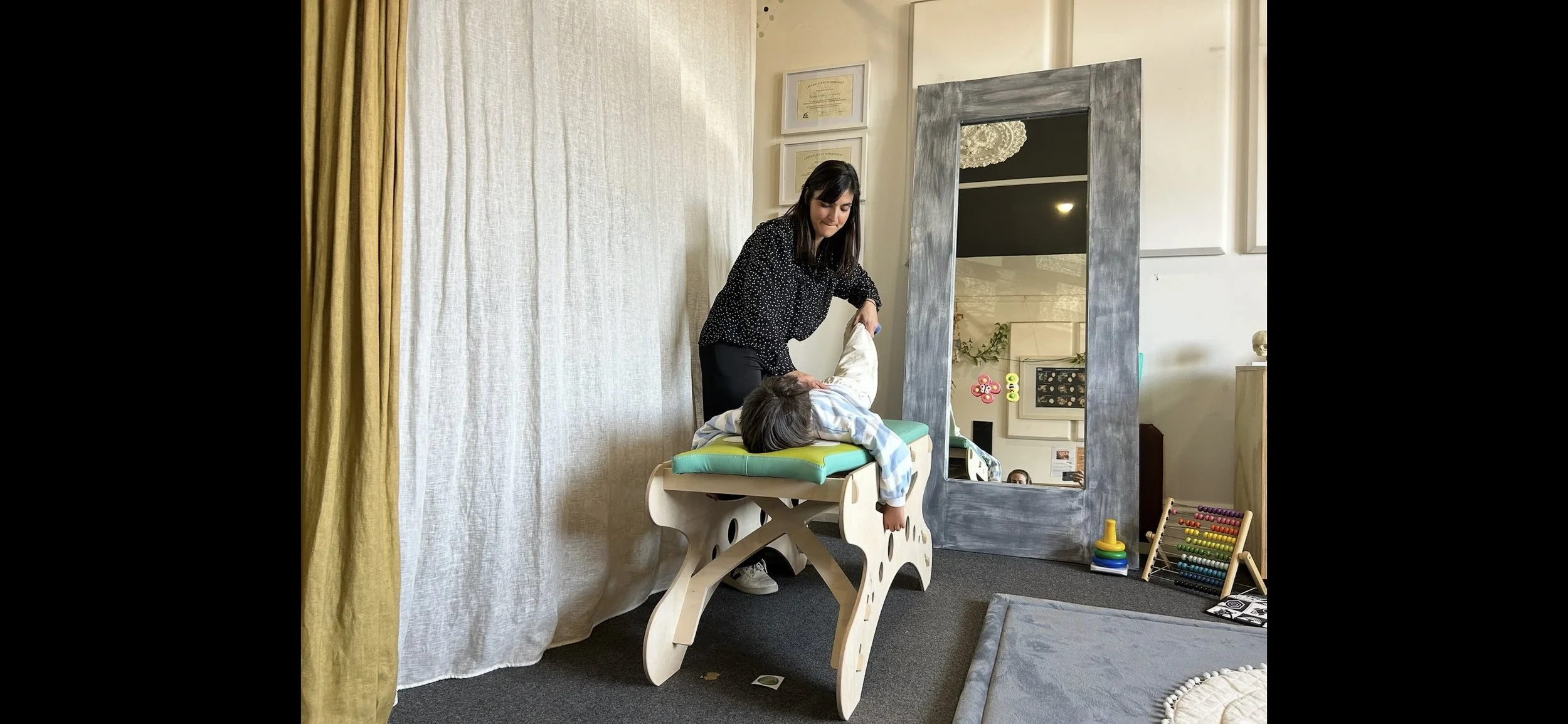
At Nomad Chiropractic in Mosman, we use a gentle, age-appropriate, neurologically-informed approach to care for children and teens with headaches. Our assessments are comprehensive, and our techniques are adapted to suit your child’s developmental stage.
Here’s what we look at:
Postural balance (head carriage, shoulder symmetry)
Spinal motion, especially in the cervical and upper thoracic regions
Muscle tone and asymmetry
Nervous system regulation (fight-or-flight activation)
Cranial motion and jaw tension (especially with bruxism or mouth breathing)
History of trauma, growth spurts, sleep quality, and emotional stress
Our care may include:
Gentle spinal adjustments (no cracking needed)
Cranial techniques
Posture and screen-time advice
Backpack and sleep set-up guidance
Nervous system scanning and stress support
Collaboration with other health professionals if needed
Our goal is not just to reduce symptoms—but to build resilience in your child’s body and brain so they can adapt to life’s stresses with more ease.
Home Tips for Headache-Prone Kids & Teens
Here are simple things you can do at home to help reduce headache triggers:
Tech Positioning: Lift screens to eye level, keep neck long, shoulders back.
Backpack Check: Keep it snug to the back, under 10% of body weight, and use both straps.
Hydration: Most kids don’t drink enough water—aim for 1–1.5L depending on age.
Magnesium: Include magnesium-rich foods like spinach, almonds, and pumpkin seeds (or use a topical spray if recommended).
Screen Breaks: Use the 20-20-20 rule—every 20 minutes, look 20 feet away for 20 seconds.
Sleep Support: Encourage wind-down routines, screen-free evenings, and consistent bedtimes.
Movement Breaks: Encourage stretching, sport, or play after long periods of sitting.
When to Seek Professional Help
You should seek care if your child:
Has headaches more than once per week
Wakes up with headaches
Has headaches after screen time or school days
Complains of neck pain or stiffness
Experiences mood changes, fatigue, or missed school due to headaches
Has a history of concussion, whiplash, or growth-related spinal pain
Early support can prevent chronic patterns from forming—and chiropractic is one of the safest, most natural ways to do this.
What the Research Says
Up to 75% of adolescents report headaches, and incidence is rising (Abu-Arafeh et al., 2010).
Poor posture and screen time are strongly associated with musculoskeletal pain in school-aged children (Branquinho et al., 2021).
Spinal dysfunction and muscle imbalance are significant contributors to cervicogenic headaches, and chiropractic care is an effective option (Jull et al., 2002).
A 2021 review found that chiropractic is safe and well-tolerated in children and adolescents, especially for musculoskeletal complaints like headaches (Corso et al., 2021).
The Nomad Difference
We’re not just a family-friendly clinic—we’re a child-first practice.
Our team at Nomad Chiropractic Mosman is trained in advanced paediatric chiropractic techniques and experienced in working with babies, kids, and teens through every stage of growth and development. Whether it’s headaches, posture, sleep, or emotional load, we look at the whole picture.
We create a safe space where your child feels seen, supported, and empowered—not just symptom-free.
Homecare Movement Tips
📲 FOLLOW SANDY ON SOCIALS! She gives heaps of Homecare intentional movement tips.
👉[Facebook]
👉[Instagram]
Nomad Chiropractic in the News!
Neighbourhood Media recently interviewed Sandy and Kristin about their holistic approach to headaches, migraines, TMJ & whole-body wellness with chiropractic care on Sydney’s Lower North Shore.
FAQ
-
Occasional headaches can be common, but frequent or intense headaches in children should be assessed. They can indicate spinal tension, posture issues, or stress.
-
Yes. Chiropractic care gently restores spinal function, improves posture, reduces nerve irritation, and supports the nervous system—helping many children experience fewer and milder headaches.
-
Common causes include poor posture, screen time, heavy backpacks, stress, sleep issues, dehydration, and spinal dysfunction—especially during growth spurts.
-
Absolutely. At Nomad Chiropractic in Mosman, we use age-appropriate, gentle techniques designed for children. Chiropractic is safe and effective for kids of all ages. We have additional paediatric training.
-
Watch for headaches linked to school days, screen time, neck pain, poor posture, or emotional stress. Also note any history of concussion or sleep issues.
Want to learn more? Book a FREE 15min discovery call with one of our Sydney Paediatric Headache and Migraine Chiropractors today: Book HERE
-
Abu-Arafeh I, Razak S, Sivaraman B, Graham C. (2010). Prevalence of headache and migraine in children and adolescents: a systematic review. J Headache Pain.
Branquinho FA et al. (2021). Headache and neck pain associated with smartphone use in children and adolescents: a review. Int J Environ Res Public Health.
Jull G et al. (2002). A randomized controlled trial of exercise and manipulative therapy for cervicogenic headache. Spine.
Corso M et al. (2021). Safety of chiropractic manual therapy in children and adolescents: a systematic review. BMJ Open.
-
This blog post is for general informational and educational purposes only. It is not intended to diagnose, treat, cure, or prevent any medical condition, nor should it be considered individual health advice. Please consult with your healthcare provider, chiropractor, or medical professional before making any decisions about your health or starting any new care program. Chiropractic care and outcomes may vary depending on individual circumstances. At Nomad Chiropractic, we provide personalised care based on a full clinical assessment and your unique needs. If you are experiencing sudden, severe, or unusual headaches, seek immediate medical attention.