
The Palmomental Reflex: What It Is, Signs of Retention, and How to Support Emotional Regulation, Oral Control, and Nervous System Maturity
The Palmomental Reflex is a primitive reflex linking hand stimulation to facial and oral movement. While normal in early infancy, persistence beyond this stage may contribute to jaw tension, oral habits such as nail biting, emotional reactivity, and stress sensitivity. Nervous system-focused chiropractic care may help support improved regulation, jaw relaxation, and sensory integration.
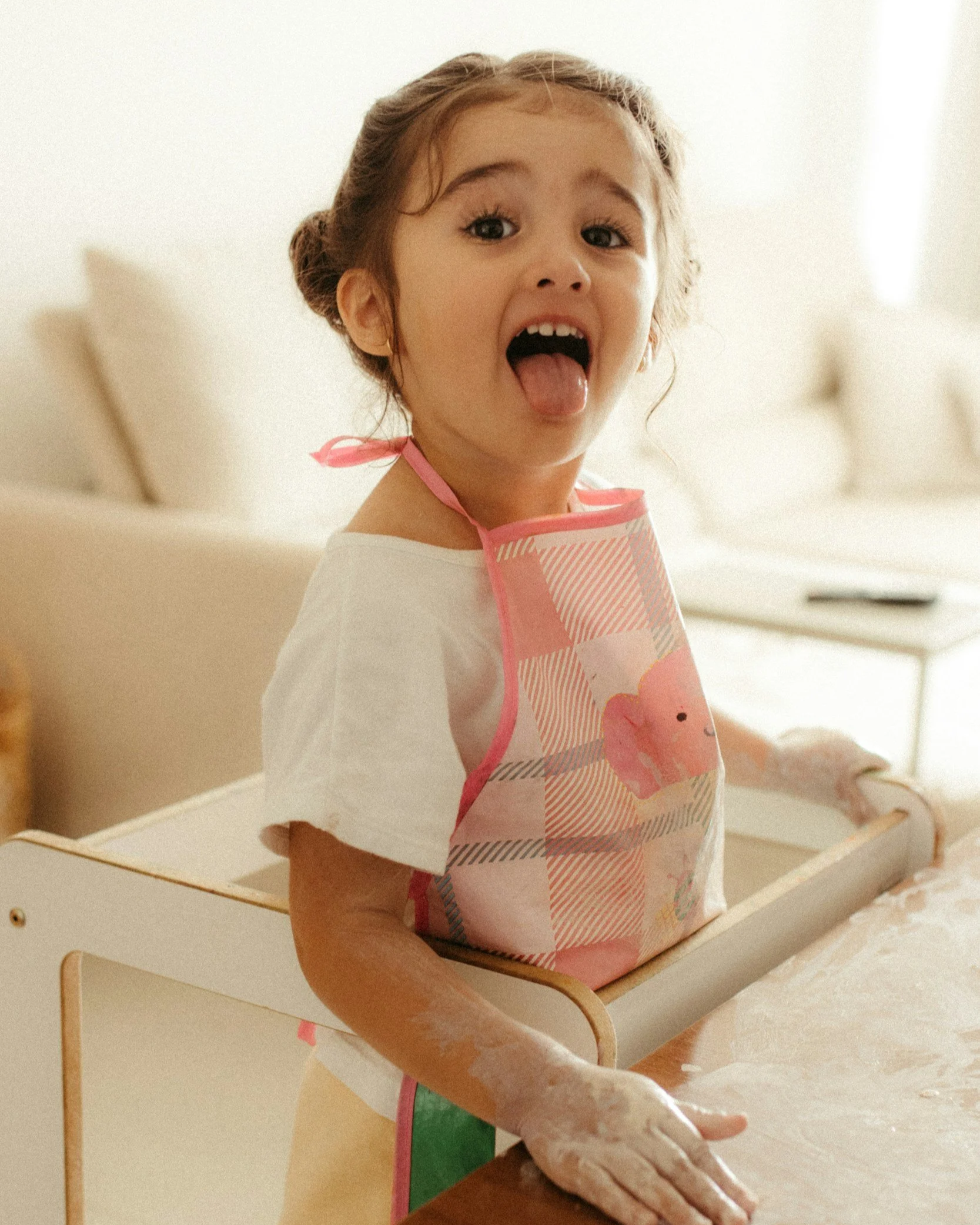
The Palmomental Reflex is a lesser-known primitive reflex that links the hand and mouth via the nervous system. While subtle, it plays an important role in early sensory integration, emotional regulation, and oral–motor development. Like all primitive reflexes, it is designed to integrate as the brain matures.
When the Palmomental Reflex does not integrate, it can contribute to oral tension, emotional reactivity, stress sensitivity, jaw and neck tightness, and sensory-seeking behaviours—often persisting into childhood, adolescence, and adulthood.
At Nomad Chiropractic, we commonly observe retained Palmomental Reflex patterns in babies, children, and adults across Sydney’s North Shore and Northern Beaches, particularly in those with anxiety, oral habits, jaw tension, or heightened stress responses.
What Is the Palmomental Reflex?
The Palmomental Reflex emerges around birth and is governed by the brainstem. It is activated when the palm of the hand—particularly near the base of the thumb—is stroked.
The reflex response includes:
A brief contraction or twitch of the chin or lower lip
Activation of facial and oral muscles
This reflex reflects early neurological connections between:
Hand sensation
Facial movement
Emotional and survival centres of the brain
In infancy, it supports:
Early sensory integration
Hand-to-mouth coordination
Feeding-related motor patterns
When Should the Palmomental Reflex Integrate?
The Palmomental Reflex typically integrates within the first few months of life, as:
Voluntary hand movement improves
Oral motor control matures
Higher brain centres take over regulation
Once integrated, hand stimulation should no longer trigger reflexive facial or oral movement.
If the reflex remains active, sensory input to the hands can continue to provoke automatic oral or emotional responses.
Why a Retained Palmomental Reflex Matters
A retained Palmomental Reflex means the nervous system maintains a strong hand–mouth–emotion link, even when it is no longer developmentally appropriate.
This can lead to:
Oral tension or clenching
Emotional reactivity to sensory input
Stress-based habits involving the hands or mouth
Difficulty self-soothing without oral input
These patterns are often mistaken for anxiety, habits, or behavioural traits—rather than being recognised as neurological reflex retention.
Signs and Symptoms of a Retained Palmomental Reflex
In Babies
Excessive hand-to-mouth activity
Tension around the mouth during handling
Difficulty settling when hands are stimulated
Feeding irritability
In Children
Nail biting or finger chewing
Clothing chewing or oral sensory seeking
Emotional overreaction to stress
Jaw tension or teeth grinding
Difficulty calming when overwhelmed
In Teens
Stress-based oral habits
Jaw clenching
Neck and shoulder tension
Heightened emotional sensitivity
Difficulty managing pressure
In Adults
Chronic jaw or facial tension
TMJ discomfort
Nail biting or oral habits under stress
Neck and upper cervical tightness
Feeling emotionally reactive or “on edge”
Many adults are surprised to learn that hand-related sensory input can still trigger emotional or oral responses decades later.
How the Palmomental Reflex Affects the Nervous System
When the Palmomental Reflex remains active:
Sensory input from the hands triggers oral and emotional centres
The jaw and face struggle to fully relax
Stress responses are amplified
Higher brain centres work harder to inhibit reflexive reactions
This can interfere with:
Emotional regulation
Stress tolerance
Jaw and neck comfort
Nervous system efficiency
Over time, the nervous system remains slightly over-activated, contributing to fatigue and tension.
Home Care Strategies to Support Palmomental Reflex Integration
Professional guidance is important, but gentle, consistent home strategies can help.
1. Reduce Stress-Based Hand-to-Mouth Habits
Increase awareness of triggers
Offer alternative calming strategies
Encourage relaxation rather than suppression
2. Support Hand Sensory Regulation
Slow, calming hand massage
Deep pressure rather than light tickling
Avoid overstimulating hand input
3. Encourage Jaw Relaxation
Gentle jaw stretches
Conscious unclenching
Nasal breathing
4. Reflex-Based Integration Exercises
Specific reflex-integration movements can help the nervous system reduce reflexive hand-mouth coupling. These exercises should be:
Gentle
Slow
Repetitive
Guided by a trained practitioner
Chiropractic Care and the Palmomental Reflex
Chiropractic care supports Palmomental Reflex integration by improving brain–body communication, cervical input, and nervous system regulation.
At Nomad Chiropractic, our nervous system-focused approach includes:
Gentle chiropractic adjustments
Support for upper cervical and cranial input
Assessment of jaw, neck, and stress patterns
Integration of tailored home-based reflex exercises
Age-appropriate care for babies, children, teens, and adults
This approach is particularly helpful for:
Children with anxiety or oral habits
Teens under academic or social stress
Adults with jaw tension, TMJ symptoms, or emotional overload
Families across Sydney’s North Shore and Northern Beaches often seek us out for this nuanced neurological care.
Why Early Support Matters
When the Palmomental Reflex remains active:
Stress responses are heightened
Oral and jaw tension patterns become ingrained
Emotional regulation requires more effort
Early identification can:
Improve emotional resilience
Reduce oral habits
Support calmer nervous system responses
That said, integration is still possible later in life, and many adults experience noticeable emotional and physical relief once this reflex is addressed.
Frequently Asked Questions
1. Is the Palmomental Reflex linked to anxiety?
It can contribute to heightened stress responses, but it is not a diagnosis—it is a neurological pattern.
2. Can this reflex affect jaw tension or TMJ?
Yes. Retained hand-mouth reflexes can contribute to chronic jaw activation and clenching.
3. How long does integration take?
This varies, but many people notice improvements within weeks to months with consistent care.
The Palmomental Reflex plays an important role early in life—but it shouldn’t keep the nervous system stuck in stress-based patterns.
If you or your child experience jaw tension, oral habits, emotional reactivity, or difficulty calming under pressure, a retained Palmomental Reflex may be part of the picture.
At Nomad Chiropractic, we specialise in nervous system-focused chiropractic care, supporting primitive reflex integration for families across Sydney’s North Shore and Northern Beaches, while educating families worldwide.
👉 Book a nervous system assessment today and support calmer emotional responses, relaxed jaw function, and a more resilient nervous system—naturally.
Homecare Movement Tips
We have a lot of homecare tips on our website here. But before you start doing every exercise under the sun we recommend getting checked and adjusted because some may integrate without the need of an extensive home-care regime with chiropractic care.
📲 FOLLOW SANDY ON SOCIALS! She gives heaps of Homecare intentional movement tips.
👉[Facebook]
👉[Instagram]
A retained Palmomental Reflex can quietly influence jaw tension, oral habits, emotional regulation, and stress responses long after infancy. When hand stimulation continues to trigger reflex-driven facial movement, the nervous system may remain more reactive. Supporting neurological integration through targeted strategies and nervous system-focused chiropractic care may help improve comfort, regulation, and resilience.
Want to learn more? Book a FREE 15min discovery call with one of our North Shore Paediatric & Retained Primitive Reflex Chiropractors today: Book HERE
👉 Book a nervous system assessment today and take the first step toward calmer, more resilient living.
-
Goddard Blythe, S. Reflexes, Learning and Behaviour. Fern Ridge Press.
Goddard Blythe, S. Attention, Balance and Coordination. Wiley-Blackwell.
Melillo, R. Disconnected Kids. Penguin Random House.
Ayres, A. J. Sensory Integration and the Child. Western Psychological Services.
Porges, S. The Polyvagal Theory. W. W. Norton & Company.
Schore, A. Affect Regulation and the Origin of the Self. Routledge.
Kolb, B., Gibb, R. “Brain plasticity and behaviour.” Annual Review of Psychology.
Teicher, M. H. et al. “The neurobiological consequences of early stress.” Biological Psychiatry.
Australian Spinal Research Foundation – Neurological development resources.
Haavik, H. The Reality Check.
International Chiropractic Pediatric Association (ICPA) Developmental Guidelines.
Panksepp, J. Affective Neuroscience. Oxford University Press.
-
The information provided by Nomad Chiropractic is intended for general educational purposes only and is not a substitute for professional medical advice, diagnosis, or treatment.
Chiropractic care, movement strategies, and nervous system–based approaches aim to support overall function and wellbeing. They do not diagnose or treat medical conditions, learning disorders, behavioural conditions, or developmental diagnoses.
Every child is unique, and responses to care may vary. Any concerns regarding your child’s health, development, learning, or behaviour should be discussed with a qualified healthcare professional. Always seek advice from your GP, paediatrician, or other appropriately registered health practitioner regarding specific medical concerns.
This content does not replace individual assessment or care. Decisions about your child’s health should be made in consultation with qualified professionals familiar with your child’s individual needs.
If jaw tension, oral habits, or stress responses feel harder to regulate, a retained Palmomental Reflex may be contributing—book a nervous system assessment to explore supportive next steps.