
Posture Through Life: How Babies, Kids, Adults and Seniors Develop Different Postural Patterns
Posture develops differently at each stage of life.
Movement milestones in babies, growth changes in children, lifestyle habits in adults and mobility changes in older adults can all influence posture. Understanding these patterns helps identify early warning signs and support healthy spinal development.
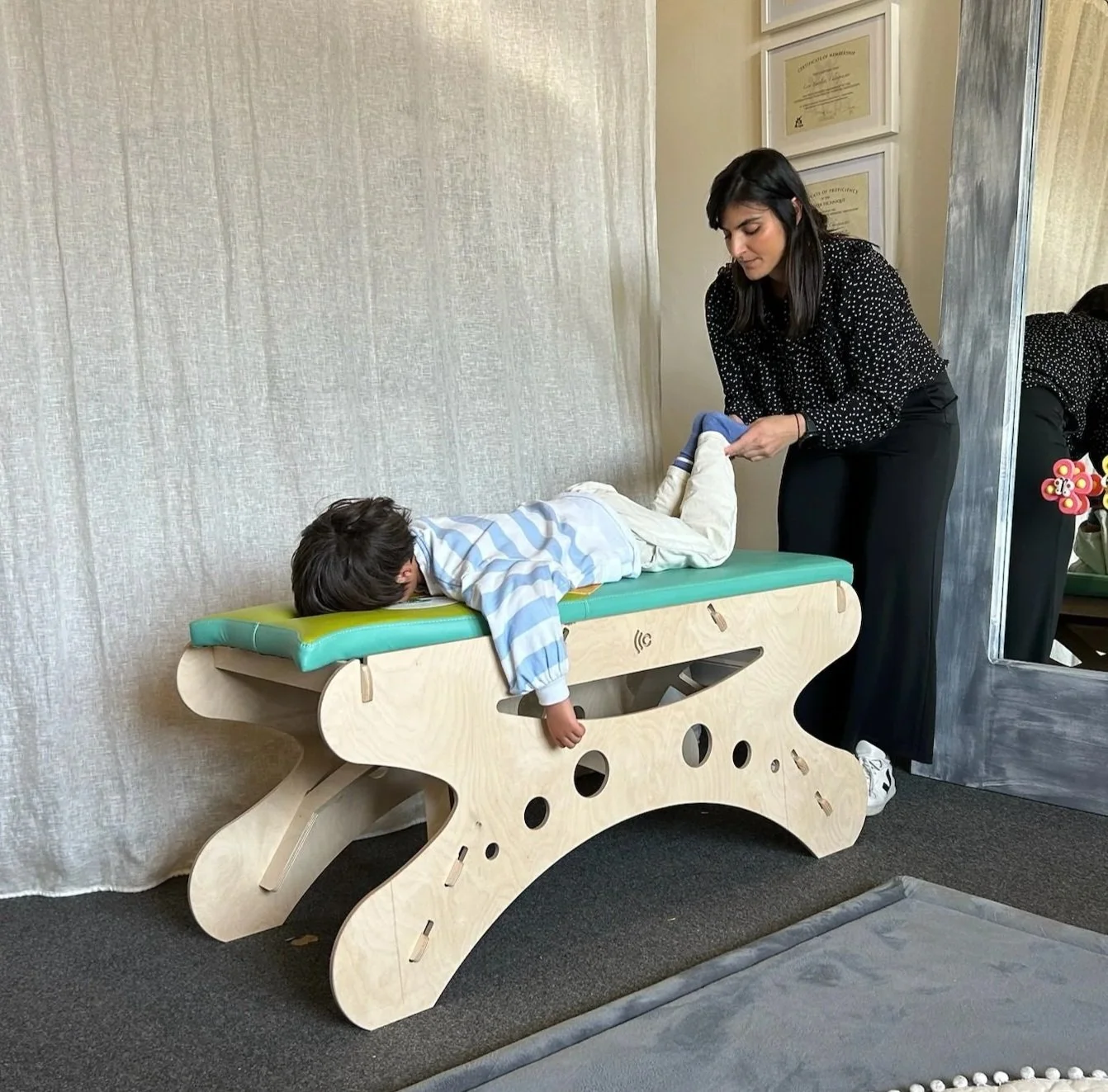
Posture evolves throughout life. From early developmental milestones in babies to growth changes in children and sedentary habits in adults, each life stage influences spinal alignment. Understanding these changes can help support healthy posture across the lifespan. Chiropractic care may assist by promoting spinal movement, balance and nervous system function.
Posture is not static. It develops and changes throughout life.
From infancy to older adulthood, the spine adapts to movement, growth and lifestyle habits.
Understanding how posture evolves across different life stages can help people recognise early warning signs and support spinal health.
Babies and Posture
In infants, posture develops alongside movement milestones.
Activities such as:
tummy time
rolling
crawling
standing
help build strength and coordination.
Movement during early development helps establish the natural curves of the spine.
Limited movement or delayed milestones may influence posture patterns later in childhood.
Children and Posture
As children grow, posture may be influenced by:
rapid growth
school bags
prolonged sitting
device use
Signs of posture changes in children may include:
rounded shoulders
slouching
uneven shoulders
Encouraging movement, sport and outdoor play can support healthy development.
Teenagers and Posture
Adolescence is a period of rapid skeletal growth.
Muscles sometimes struggle to keep up with bone growth, which can affect posture and coordination.
Screen use, studying and sedentary habits may further contribute.
Adult Posture
Work and lifestyle often shape posture during adulthood.
Common contributors include:
desk work
prolonged sitting
repetitive movement patterns
stress
Adults frequently seek care for posture-related symptoms such as neck pain, headaches and back discomfort.
Seniors and Posture
Age-related changes may influence posture through:
reduced muscle strength
decreased mobility
degenerative joint changes
Maintaining movement, strength and flexibility can support spinal health later in life.
Simple Daily Habits for Better Posture
Helpful strategies include:
regular movement
strengthening exercises
stretching tight muscles
maintaining ergonomic workspaces
staying physically active
Chiropractic and Posture Across the Lifespan
Chiropractic care may help support posture by improving spinal movement and body awareness.
At Nomad Chiropractic Mosman, care is tailored to each stage of life.
Patients seeking posture support often include:
babies and children
students
office workers
active adults
older adults
If posture concerns are affecting comfort, movement or daily activities, a chiropractic assessment may help identify contributing factors.
Book an appointment with Nomad Chiropractic Mosman to discuss your spinal health.
FAQ: Age and Postural Patterns
-
Yes. Growth, school bags, device use, retained primitive reflexes and reduced movement can influence posture during childhood.
-
Adults commonly develop forward head posture, rounded shoulders and lower back strain from prolonged sitting.
-
Age-related changes in muscle strength and joint mobility can influence posture later in life.
-
Encouraging movement, sport, outdoor play and ergonomic study environments can help support posture.
-
Yes. Chiropractors assess spinal movement and posture and may provide adjustments, exercises and guidance.
Posture is shaped by growth, movement and lifestyle throughout life. Encouraging healthy movement patterns, strength and body awareness may help support spinal health at every stage. Chiropractic care often focuses on improving spinal movement and providing guidance to support posture and mobility.
If posture concerns are affecting comfort or movement, a spinal assessment may help identify contributing factors.
Want to learn more? Book a FREE 15min discovery call with one of our North Shore Chiropractors today: Book HERE
-
Briggs, A. M., Straker, L. M., & Greig, A. M. (2004). Upper quadrant postural changes of school children in response to interaction with different information technologies. Ergonomics, 47(7), 790–819. https://doi.org/10.1080/00140130310001638044
Briggs, A. M., Smith, A. J., Straker, L. M., & Bragge, P. (2009). Thoracic kyphosis and spinal pain in adolescents: A systematic review. Journal of Orthopaedic & Sports Physical Therapy, 39(4), 219–229. https://doi.org/10.2519/jospt.2009.2877
Cagnie, B., Danneels, L., Van Tiggelen, D., De Loose, V., & Cambier, D. (2007). Individual and work-related risk factors for neck pain among office workers: A cross-sectional study. European Spine Journal, 16(5), 679–686. https://doi.org/10.1007/s00586-006-0269-7
Cho, C. Y. (2008). Survey of faulty postures and associated factors among Chinese adolescents. Journal of Manipulative and Physiological Therapeutics, 31(3), 224–229. https://doi.org/10.1016/j.jmpt.2008.02.003
Haavik, H. (2014). The Reality Check: A Quest to Understand Chiropractic from the Inside Out. Wellington: Haavik Research.
Hansraj, K. K. (2014). Assessment of stresses in the cervical spine caused by posture and position of the head. Surgical Technology International, 25, 277–279.
Kendall, F. P., McCreary, E. K., Provance, P. G., Rodgers, M., & Romani, W. (2005). Muscles: Testing and Function with Posture and Pain (5th ed.). Lippincott Williams & Wilkins.
Nejati, P., Lotfian, S., Moezy, A., & Nejati, M. (2015). The relationship of forward head posture and rounded shoulders with neck pain in Iranian office workers. Medical Journal of the Islamic Republic of Iran, 29, 26.
Straker, L., & Mathiassen, S. E. (2009). Increased physical work loads in modern work – A necessity for better health and performance? Ergonomics, 52(10), 1215–1225. https://doi.org/10.1080/00140130903039101
Szeto, G. P. Y., Straker, L. M., & O’Sullivan, P. B. (2005). A comparison of symptomatic and asymptomatic office workers performing monotonous keyboard work. Clinical Biomechanics, 20(5), 479–488. https://doi.org/10.1016/j.clinbiomech.2004.12.005
Thigpen, C. A., Padua, D. A., Michener, L. A., et al. (2010). Head and shoulder posture affect scapular mechanics and muscle activity in overhead tasks. Journal of Electromyography and Kinesiology, 20(4), 701–709.
World Health Organization. (2019). Guidelines on Physical Activity, Sedentary Behaviour and Sleep for Health.
Yip, C. H., Chiu, T. T., & Poon, A. T. (2008). The relationship between head posture and severity and disability of patients with neck pain. Manual Therapy, 13(2), 148–154.
Bogduk, N. (2012). Clinical Anatomy of the Lumbar Spine and Sacrum (5th ed.). Churchill Livingstone.
Magee, D. J. (2014). Orthopedic Physical Assessment (6th ed.). Saunders.
Haavik, H., & Murphy, B. (2012). Subclinical neck pain and the effects of cervical manipulation on elbow joint position sense. Journal of Manipulative and Physiological Therapeutics, 35(2), 88–97.
Haavik, H., Niazi, I., Holt, K., & Murphy, B. (2017). Effects of chiropractic spinal manipulation on sensorimotor integration. Neural Plasticity, 2017.
-
The information provided on this website is for general educational purposes only and is not intended to replace professional healthcare advice, diagnosis, or treatment. Chiropractic care may assist with musculoskeletal function and nervous system health; however, individual outcomes may vary.
This content does not constitute medical advice and should not be used to diagnose or treat any health condition. Always seek advice from a registered healthcare professional if you have concerns about your symptoms, particularly if symptoms are severe, worsening, or persistent.
If you experience red flag symptoms such as unexplained weight loss, fever, loss of bladder or bowel control, progressive weakness, or significant trauma, seek immediate medical attention.
Nomad Chiropractic practitioners are registered with the Australian Health Practitioner Regulation Agency (AHPRA) and provide care in accordance with Australian healthcare standards and scope of practice.
Small posture changes today can help protect your spine from years of unnecessary strain.