
Stiff Neck: Causes, Relief & When to See a Chiropractor
Stiff neck and neck pain are extremely common and often linked to posture, muscle tension, poor sleep positions, stress, or minor joint irritation in the cervical spine.
At Nomad Chiropractic in Mosman, we commonly see people from the Lower North Shore and Northern Beaches (Mosman, Neutral Bay, Cremorne, North Sydney, Manly, Balgowlah, Brookvale) with stiff neck symptoms. Chiropractic care focuses on restoring spinal movement, reducing tension, and helping the nervous system regulate muscle tone so the neck can move freely again.
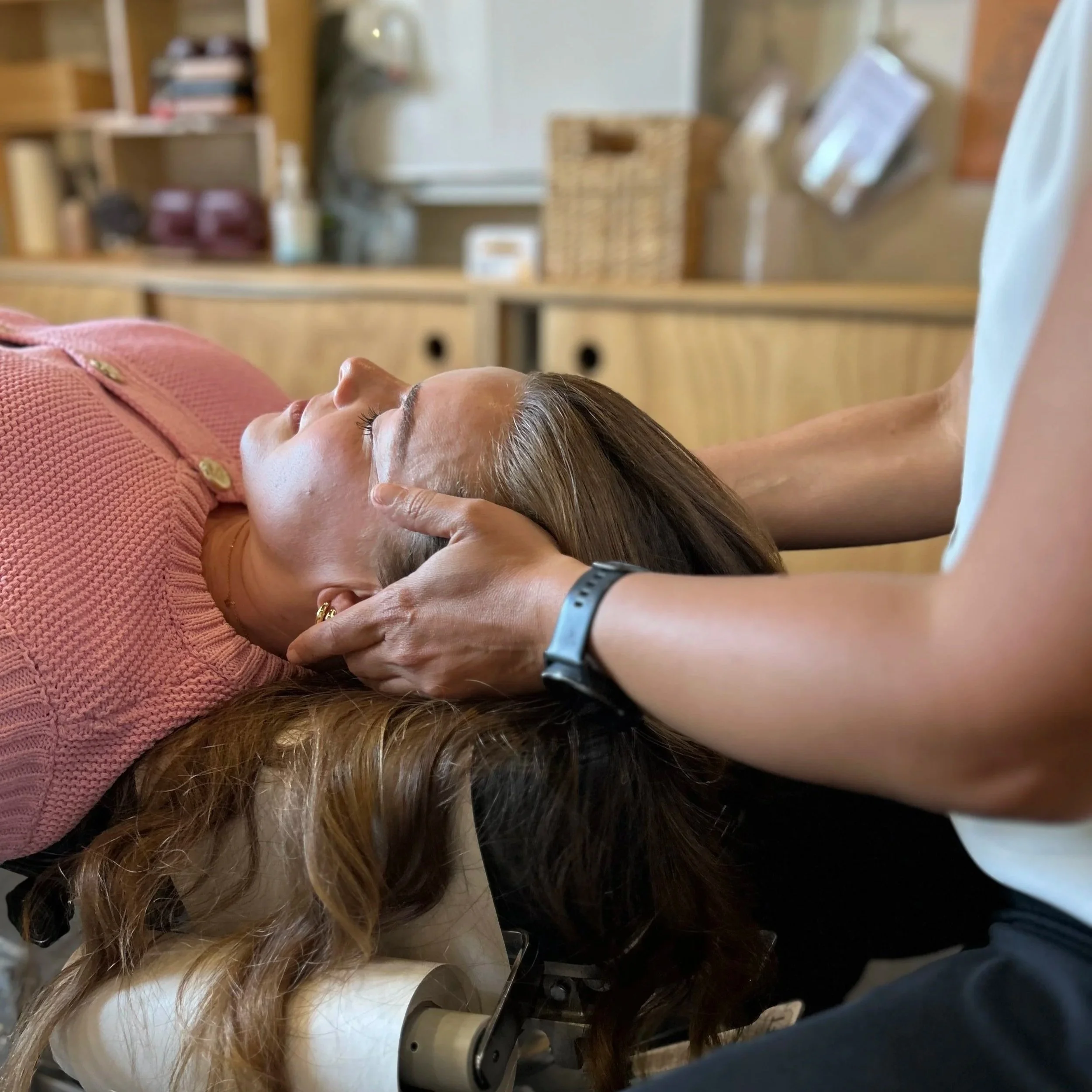
A stiff neck is one of the most common reasons people start searching for help online. It can appear suddenly, limit your ability to turn your head, and make everyday activities like driving, working at a computer, or even sleeping uncomfortable.
Many people describe it as:
“I woke up with a stiff neck”
“I can’t turn my head properly”
“My neck feels locked”
“Sharp pain when I move my neck”
While most stiff neck episodes are not serious, they can be extremely uncomfortable and may indicate irritation in the muscles, joints, or nerves of the cervical spine.
At Nomad Chiropractic in Mosman, we regularly help people from Mosman, Neutral Bay, Cremorne, North Sydney, Willoughby, Crows Nest, Manly, Balgowlah and the Northern Beaches understand what’s causing their neck stiffness and how to restore comfortable movement again.
What Is a Stiff Neck?
A stiff neck refers to reduced mobility or pain when moving the neck, often accompanied by muscle tightness or joint irritation in the cervical spine.
The cervical spine contains:
7 vertebrae
Small stabilising muscles
Facet joints
Ligaments
Spinal nerves
When these structures become irritated or restricted, movement becomes painful or limited.
Common symptoms include:
• Pain when turning the head
• Tightness in the neck or shoulders
• Difficulty looking over your shoulder
• Muscle spasms
• Headaches starting at the base of the skull
• Pain when looking down or up
Sometimes symptoms may also radiate toward the shoulders or upper back.
Common Causes of a Stiff Neck
A stiff neck can develop for many reasons. Often it’s not one single cause, but rather a combination of posture, movement habits, and muscle tension.
1. Poor Posture
One of the most common causes of neck stiffness today is forward head posture.
This happens when the head sits too far forward relative to the shoulders, often due to:
Laptop use
Phone use
Desk work
Driving
Looking down at devices
Research shows that increased forward head posture significantly increases stress on the cervical spine and neck muscles.¹
Over time this leads to:
Muscle fatigue
Joint irritation
Reduced mobility
Neck stiffness
2. Sleeping Position
Another common cause is sleeping with the neck in an awkward position.
This may occur if:
The pillow is too high or too flat
The neck is twisted during sleep
The mattress doesn’t support spinal alignment
People often wake up saying:
“I must have slept wrong.”
This type of stiffness can involve small facet joint irritation or muscle spasms.
3. Muscle Tension and Stress
Stress activates the sympathetic nervous system, increasing muscle tone.
Common tension areas include:
Upper trapezius
Levator scapulae
Suboccipital muscles
When these muscles stay tight for extended periods, they restrict normal neck movement and can create a feeling of stiffness or heaviness.
4. Lack of Movement
The cervical spine is designed to move frequently throughout the day.
When we stay in one position for long periods — particularly at a desk — the joints can become restricted and less mobile.
This can cause:
Joint stiffness
Reduced range of motion
Muscle guarding
5. Minor Joint Irritation
The small facet joints of the cervical spine guide neck movement.
When these joints become irritated or restricted, turning the neck can feel:
sharp
stuck
restricted
This is sometimes what people describe as their neck feeling “locked.”
Signs Your Stiff Neck May Need Attention
Many mild stiff neck episodes improve within a few days, but certain signs suggest it may benefit from assessment.
These include:
• Neck stiffness lasting more than a few days
• Pain spreading into the shoulders or arms
• Frequent recurring neck stiffness
• Headaches associated with neck pain
• Reduced ability to turn the head while driving
Early care can help restore normal movement before the issue becomes chronic.
How Chiropractic Care Can Help a Stiff Neck
Chiropractic care focuses on improving movement, alignment, and nervous system function.
At Nomad Chiropractic, care typically involves:
Gentle spinal adjustments
Specific adjustments help restore movement to restricted cervical joints.
This can reduce:
joint irritation
muscle guarding
stiffness
Muscle tension release
Neck stiffness is often associated with tight muscles in the:
upper trapezius
levator scapulae
suboccipitals
Releasing these muscles can help restore natural neck mobility.
Nervous system regulation
The spine protects the nervous system.
When spinal joints move well, the brain receives clearer feedback from the body, helping regulate muscle tone and movement patterns.²
Postural guidance
Many neck problems return if the underlying posture habits remain unchanged.
We often guide patients on:
desk ergonomics
screen height
sleeping posture
pillow support
Home Care Tips for a Stiff Neck
Many simple strategies can help reduce stiffness and improve mobility.
Gentle Neck Mobility
Slow controlled movement often helps reduce stiffness.
Try this simple exercise:
Neck Rotation
Sit upright
Slowly turn your head to the right
Hold for 5 seconds
Return to centre
Repeat on the left
Repeat 5–10 times.
Heat Therapy
Applying heat can help relax tight muscles.
Use a warm heat pack for:
10–15 minutes
over the neck or upper shoulders.
Posture Reset
Every 30–45 minutes, try this quick reset:
Sit tall
Gently tuck the chin back
Roll shoulders down and back
Take 3 deep breaths
This helps restore spinal alignment.
Shoulder Blade Activation
The neck often compensates when the shoulder blades are weak.
Exercise:
Scapular Squeeze
Sit or stand tall
Gently squeeze shoulder blades together
Hold for 5 seconds
Repeat 10 times
Check Your Pillow
Your pillow should support the natural curve of your neck.
If it’s too high or too flat, the neck may remain bent overnight.
Preventing Future Neck Stiffness
Long-term neck health often comes down to movement habits.
Helpful habits include:
• Regular movement breaks
• Screen at eye level
• Balanced posture when using devices
• Strengthening upper back muscles
• Supporting neck alignment during sleep
Regular chiropractic care may also help maintain spinal mobility and reduce recurring stiffness.
When Should You Seek Professional Help?
Seek professional advice if neck pain is accompanied by:
numbness or tingling in the arms
weakness
severe headache
trauma or injury
persistent pain
Most stiff neck episodes are mechanical and manageable, but it’s important to rule out more serious conditions when symptoms are unusual.
Stiff Neck Treatment in Mosman, Sydney
At Nomad Chiropractic, we help patients across the Lower North Shore and Northern Beaches with neck stiffness, posture strain, headaches, and spinal mobility issues.
Patients often visit us from:
Mosman
Neutral Bay
Cremorne
North Sydney
Willoughby
Crows Nest
Manly
Balgowlah
Brookvale
and surrounding North Shore and Northern Beaches areas.
Our approach focuses on gentle chiropractic care that supports:
spinal movement
nervous system balance
long-term posture health
FAQ
What causes a stiff neck suddenly?
Sudden neck stiffness is often caused by sleeping position, poor posture, muscle tension, or minor irritation of cervical spine joints.
How long does a stiff neck last?
Many mild stiff neck episodes improve within 24–72 hours, although recurring stiffness may indicate an underlying mobility or posture issue.
Should I stretch a stiff neck?
Gentle movement can help reduce stiffness, but aggressive stretching may worsen irritation. Slow controlled mobility exercises are usually safest.
Can chiropractic help a stiff neck?
Yes. Chiropractic care focuses on restoring spinal movement, reducing muscle tension, and supporting healthy nervous system function, which may help relieve stiffness.
When should I see a chiropractor for neck pain?
If stiffness lasts more than a few days, keeps returning, limits daily activities like driving or sleeping, or is simply concerning you, an assessment may help identify the cause.
If you’re experiencing a stiff neck or limited neck movement, our team at Nomad Chiropractic Mosman is here to help.
A thorough assessment can identify the cause of your neck stiffness and help guide safe, effective care.
Want to learn more? Book a FREE 15min discovery call with one of our North Shore Chiropractors today: Book HERE
A stiff neck is often caused by posture strain, muscle tension, sleep position, or minor joint irritation in the cervical spine. Improving spinal movement, reducing muscle tension, and supporting healthy posture can help restore comfortable neck mobility. Chiropractic care at Nomad Chiropractic Mosman focuses on gentle, neurologically-informed care to help patients across the Lower North Shore and Northern Beaches move and feel better.
-
Australian Chiropractic Association. (2023). Neck Pain and Posture Resources.
Haavik H. (2014). The Reality Check: A Quest to Understand Chiropractic from the Inside Out.
Australian Spinal Research Foundation. (2022). Neurophysiology of Spinal Function.
Childs JD et al. (2008). Neck Pain Clinical Practice Guidelines. Journal of Orthopaedic & Sports Physical Therapy.
Côté P et al. (2016). The Global Burden of Neck Pain. European Spine Journal.
Gross A et al. (2015). Manipulation and mobilisation for neck pain. Cochrane Database of Systematic Reviews.
-
The information provided on this website is for general educational purposes only and is not intended to replace professional healthcare advice, diagnosis, or treatment. Chiropractic care may assist with musculoskeletal function and nervous system health; however, individual outcomes may vary.
This content does not constitute medical advice and should not be used to diagnose or treat any health condition. Always seek advice from a registered healthcare professional if you have concerns about your symptoms, particularly if symptoms are severe, worsening, or persistent.
If you experience red flag symptoms such as unexplained weight loss, fever, loss of bladder or bowel control, progressive weakness, or significant trauma, seek immediate medical attention.
Nomad Chiropractic practitioners are registered with the Australian Health Practitioner Regulation Agency (AHPRA) and provide care in accordance with Australian healthcare standards and scope of practice.
Small posture changes today can help protect your spine from years of unnecessary strain.