

Blog



Why Balance Is the Foundation for Learning, Movement and Confidence
Vestibular System | Balance & Coordination
The vestibular system is your child's internal balance system and plays a vital role in movement, coordination, posture, vision and learning. Discover why tummy time, crawling, climbing, swinging and outdoor play are essential for healthy brain development, plus practical activities you can use at home to support your baby's vestibular system naturally from infancy through the toddler years.
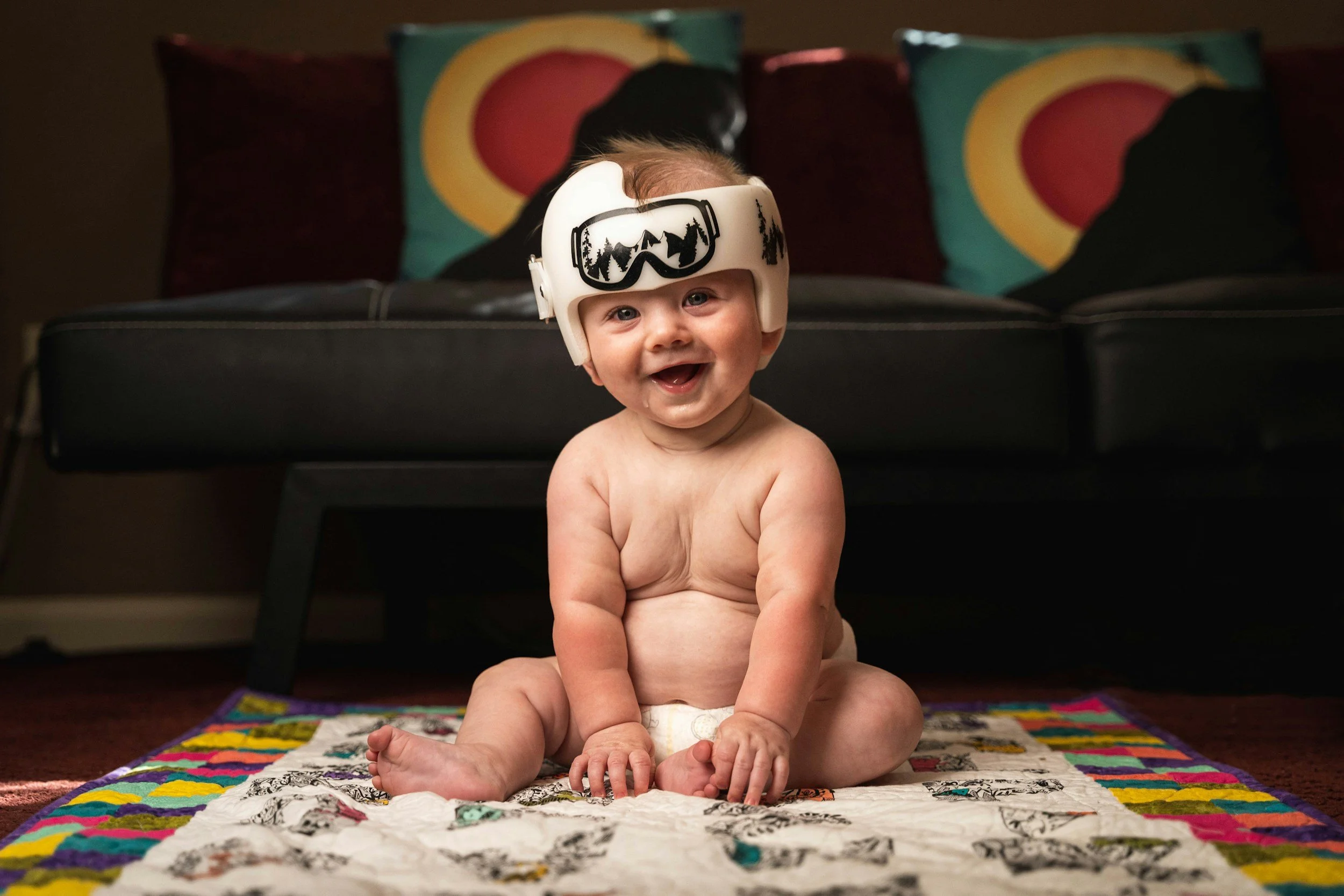
Flat Head Syndrome in Babies (Plagiocephaly): Causes, Early Signs and How to Help
The Importance of Chiropractic Intervention for Plagiocephaly
Plagiocephaly, commonly known as flat head syndrome, is a common condition affecting babies during their first year of life. This guide explains why plagiocephaly develops, how it is measured, when helmet therapy may be recommended, and the role of chiropractic care in supporting healthy movement patterns. Learn practical home strategies and when to seek professional advice for your baby's developing head shape.
Primitive Reflexes: Why They Matter for Your Baby’s Development
Baby Milestones & Development
What are the primitive reflexes my baby should have?
Why are they important?
When should they be integrating?
And what home-care activities can I do to help my baby integrate the reflex and hit their next milestone?

Why is tummy time important?
Tummy time is more than preventing flat head syndrome — it’s one of the earliest ways your baby builds strength, balance, coordination and brain connections. From stimulating the vestibular system to supporting visual tracking and crawling readiness, prone play lays the neurological foundation for lifelong posture and movement. Here’s why it matters, how much to do, and how to make it easier if your baby resists.