

Blog
Blog Categories



Blog Posts…

Chiropractic, Neuroscience & Concussion Recovery: Understanding the Brain–Body Connection
Chiropractic, Neuroscience & Concussion Recovery
How does your neck communicate with your brain, and why might this matter after concussion? Explore the neuroscience of chiropractic care, cervical proprioception, sensorimotor integration and neuroplasticity. Discover what research reveals about the brain–body connection and the role of cervical rehabilitation. Meet Dr Teri Meyer, an experienced chiropractor with a Master's degree in Neuroscience, practising at Nomad Chiropractic in Mosman, Sydney.
Sympathetic Dominance: Why Your Nervous System Gets Stuck in Survival Mode (And How to Help It Reset Naturally)
Stress & Chiropractic
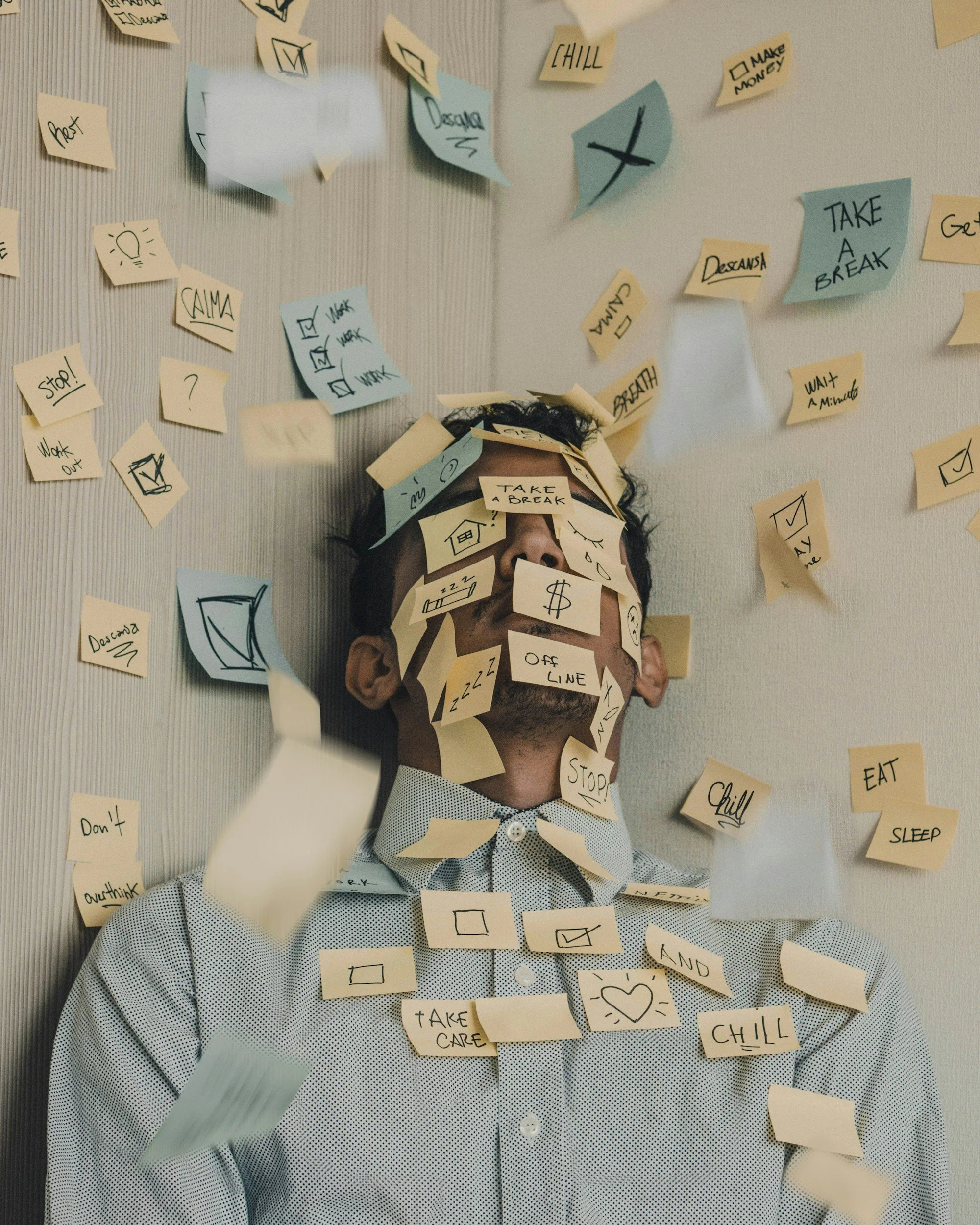
Feeling constantly stressed, tense or wired but tired? Your nervous system may be struggling to switch from fight or flight into recovery. Explore the signs of sympathetic dominance, how stress influences sleep, digestion, pain and muscle tension, and practical ways to support nervous system regulation. Discover how chiropractic care at Nomad Chiropractic in Mosman may help address associated physical discomfort and improve movement.
Sports Chiropractic vs Physiotherapy: What's the Difference?
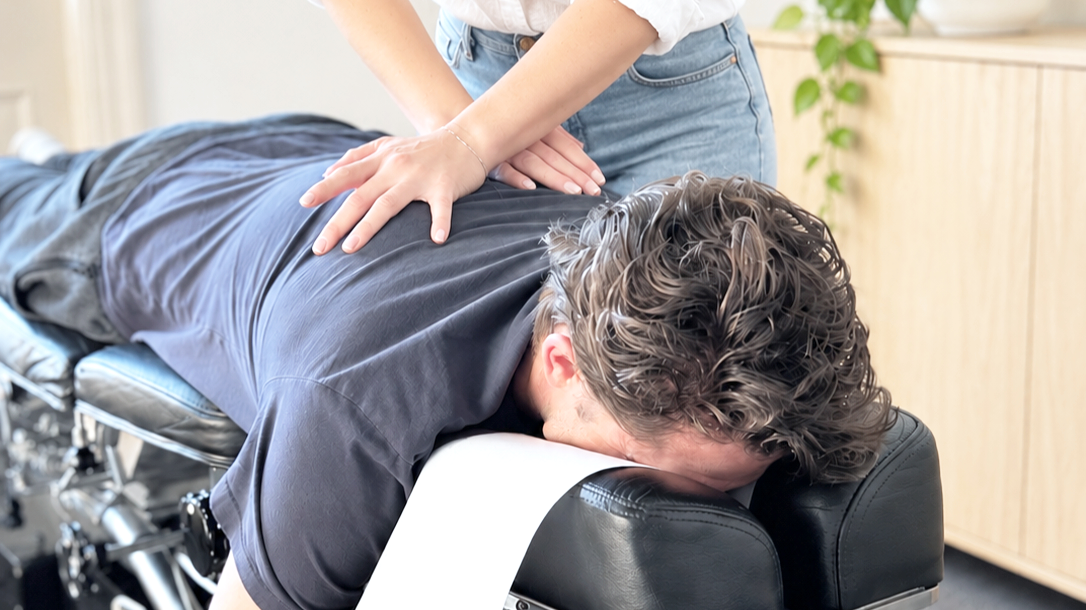
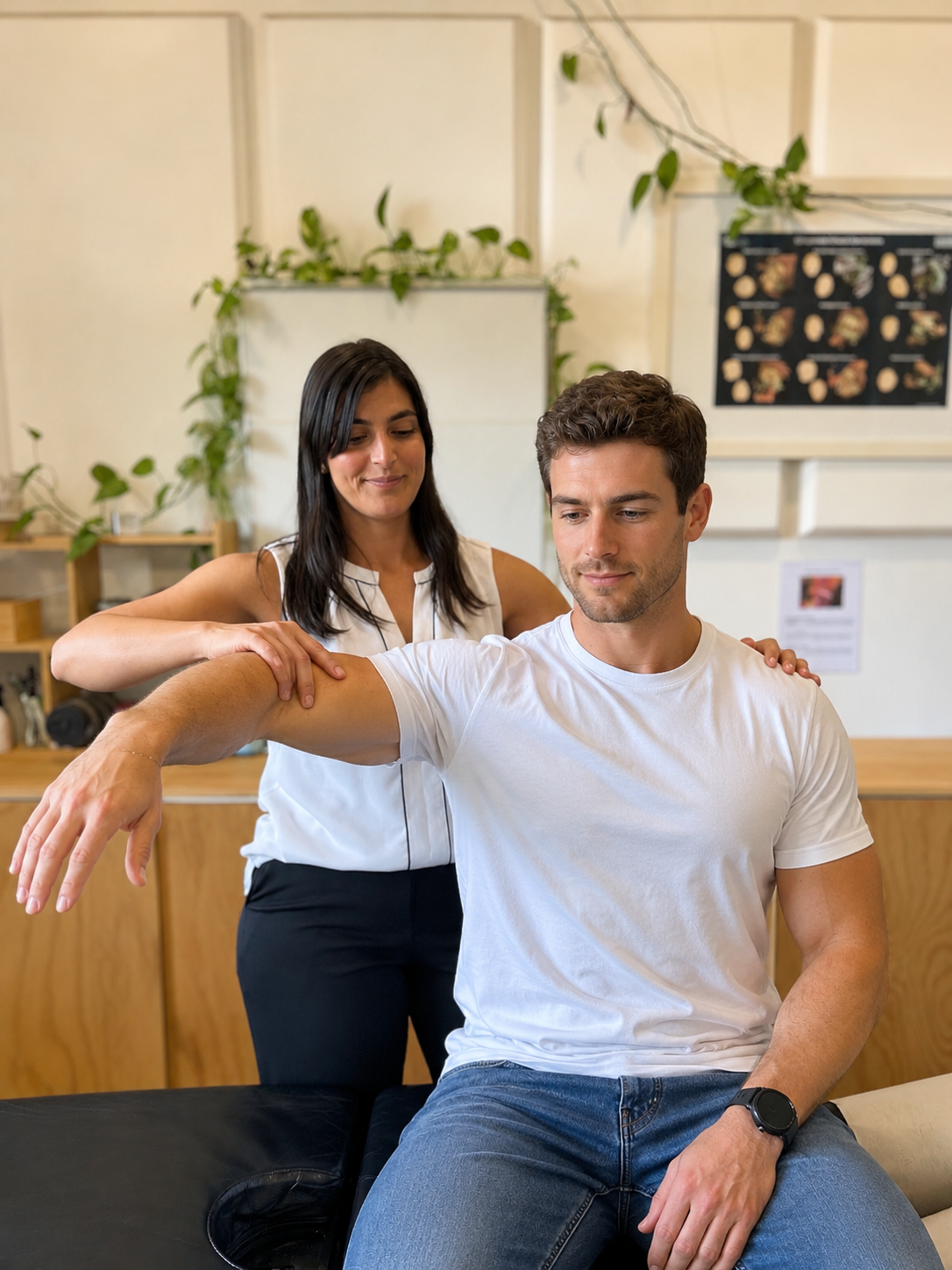
Sports chiropractors and physiotherapists both help active people manage injuries, improve movement and return to exercise, but their training, assessment and treatment approaches can differ. Discover how sports chiropractic combines spinal adjustments, neurological assessment, joint care and rehabilitation, where physiotherapy overlaps, and what to consider when choosing a practitioner. Learn how Nomad Chiropractic in Mosman supports active adults and recreational athletes.
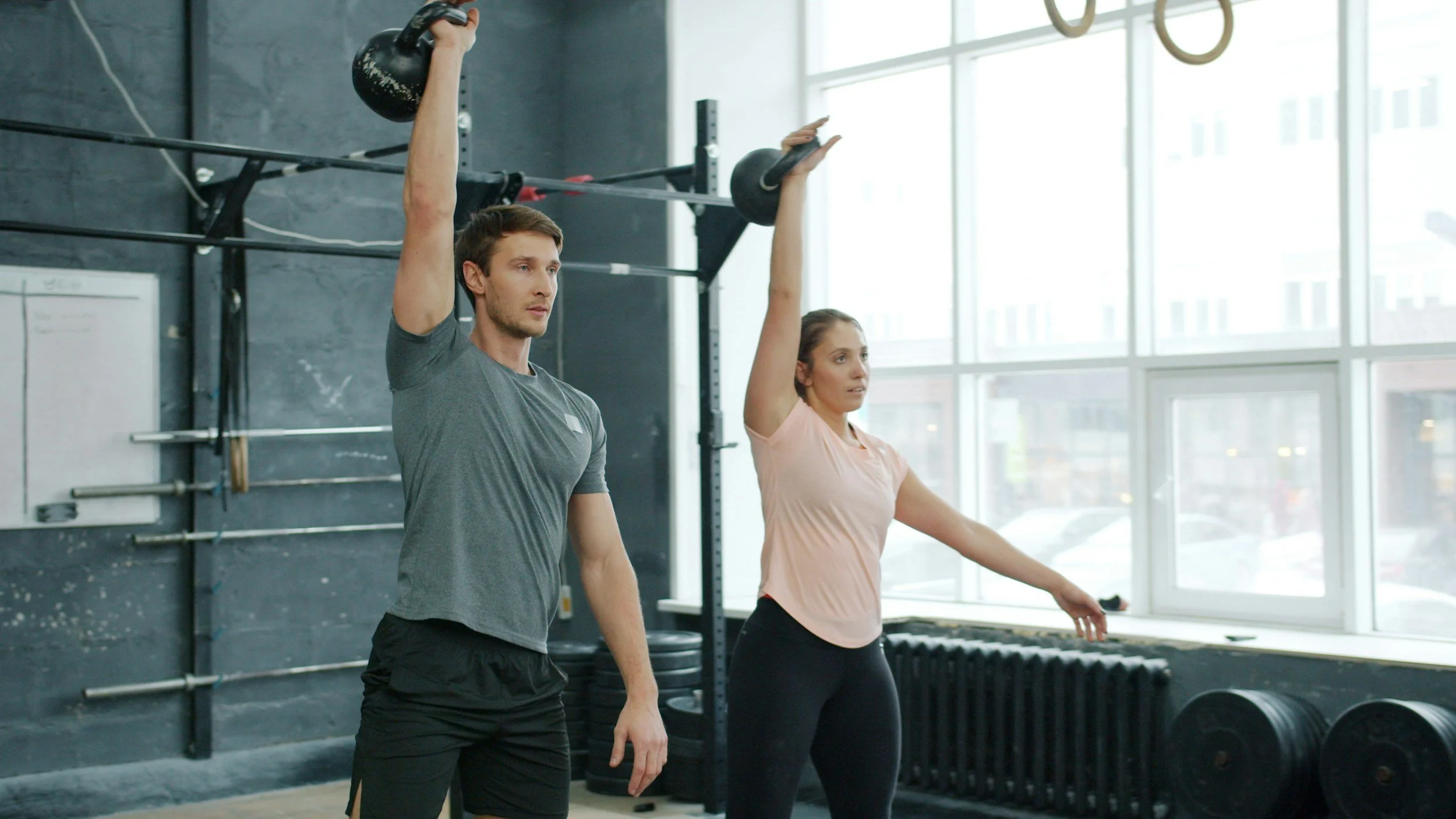
Returning to Exercise After Lower Back Pain
Returning to exercise after lower back pain requires the right balance of movement, strength, confidence and gradual progression. Your spine is designed to move and adapt, even after painful episodes. Discover when to resume exercise, which movements can support recovery, how to rebuild your training routine and how chiropractic care at Nomad Chiropractic in Mosman can help you return to activity with confidence and comfort.
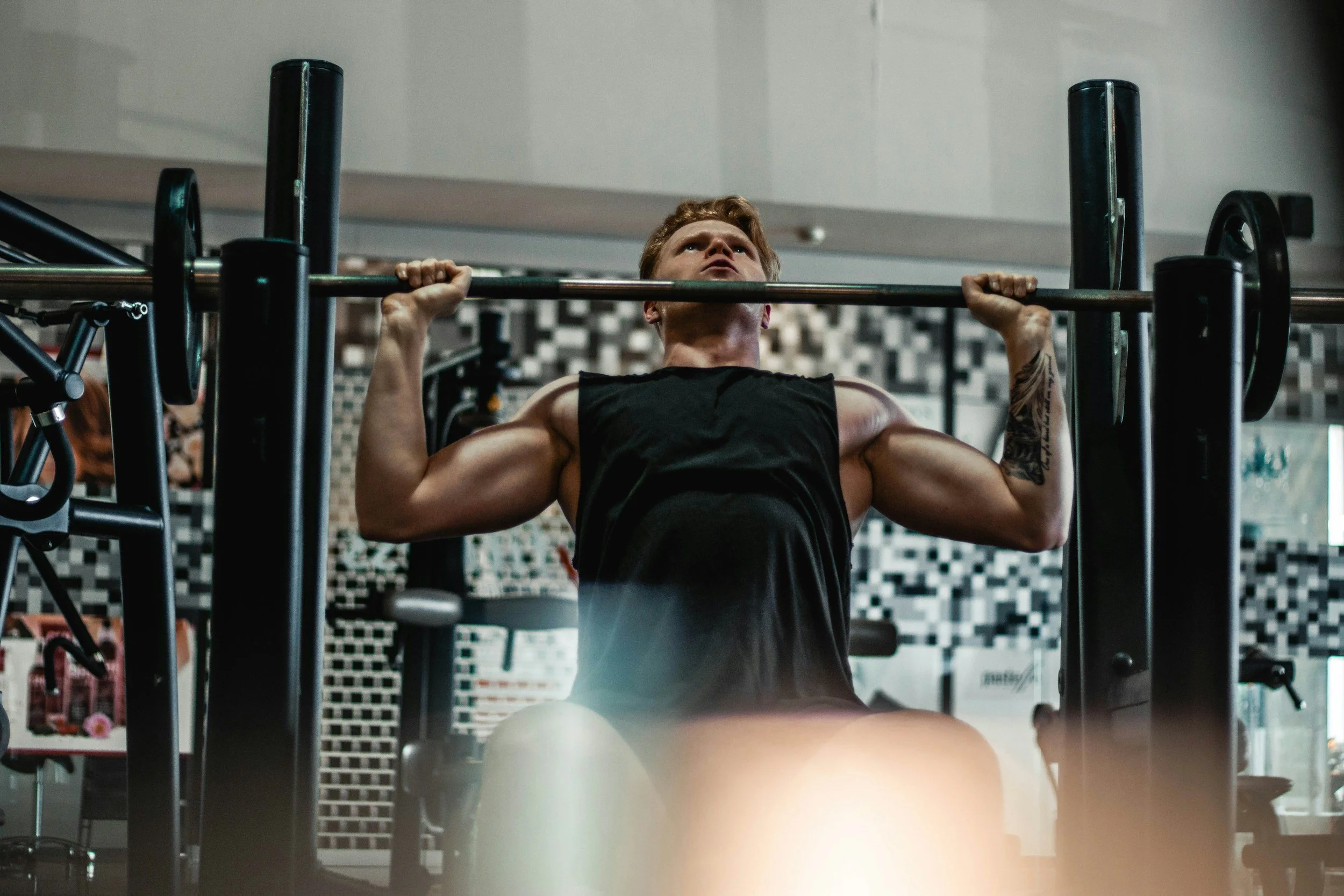
Shoulder Pain During Exercise: Causes and Movement Considerations
Shoulder pain during exercise can develop from training overload, rotator cuff irritation, limited movement, muscular fatigue or changes in shoulder blade control. Whether your shoulder hurts during bench presses, push-ups or overhead lifting, understanding the cause is important. Discover how your shoulders, spine and nervous system work together, practical strategies to support recovery and how sports chiropractic at Nomad Chiropractic in Mosman can help.
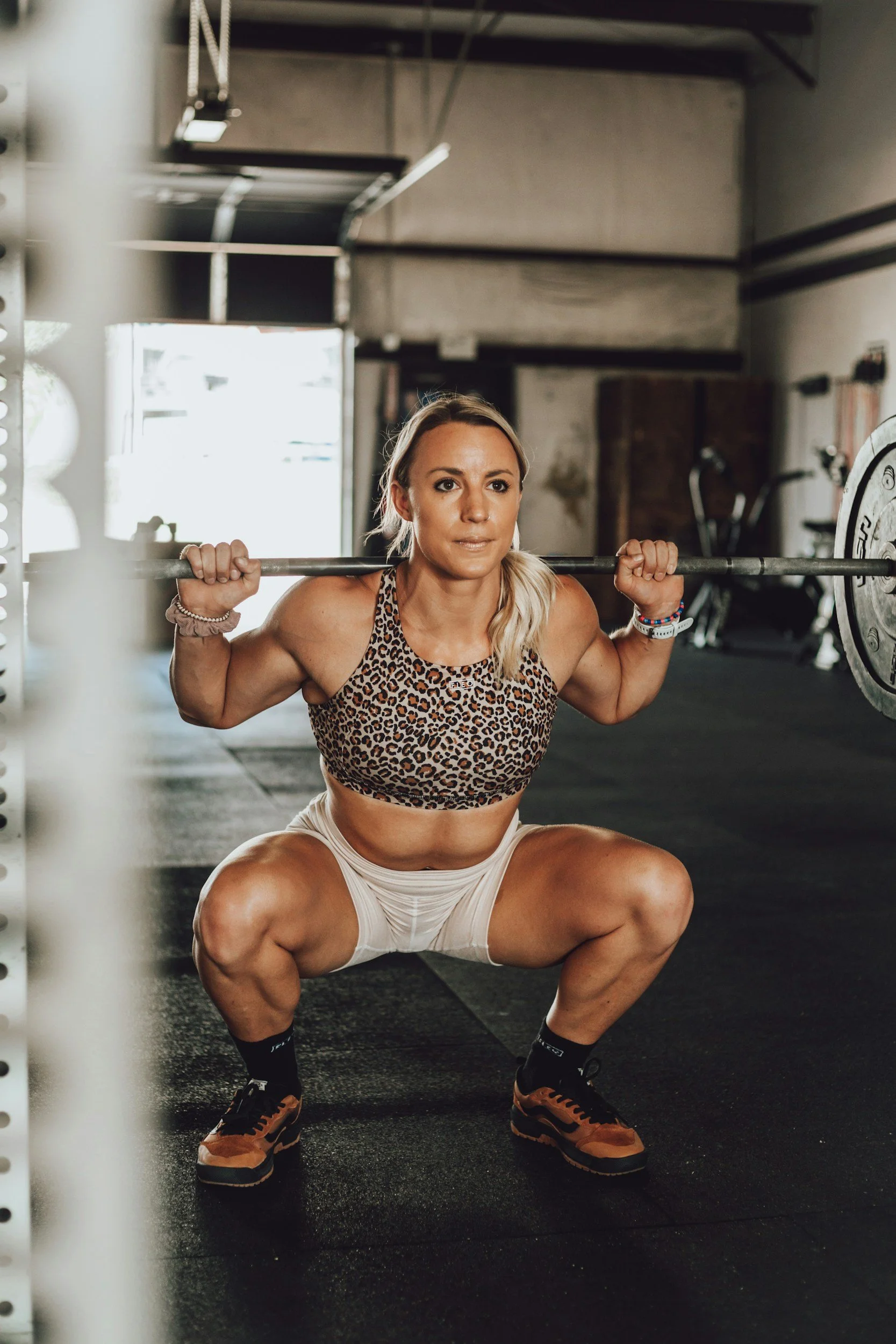
Mobility vs Stability: What Active Adults Should Know
Mobility and stability work together to help your body move efficiently, maintain control and respond to physical demands. While mobility allows your joints to move, stability helps you manage that movement with strength and coordination. Discover how your spine, muscles and nervous system contribute to both, why stretching alone may not be enough, and how chiropractic care can support better movement and function.

Golf and Tennis Back Pain: Understanding Rotational Strain
Golf and tennis place unique rotational demands on your spine, hips and surrounding muscles. When movement becomes restricted, muscular control changes or training demands increase, lower back pain can develop. Discover why your back hurts during golf swings or tennis serves, how spinal mobility and nervous system coordination influence movement, and how sports chiropractic at Nomad Chiropractic in Mosman can support comfortable, confident play.

Lower back pain during or after running?
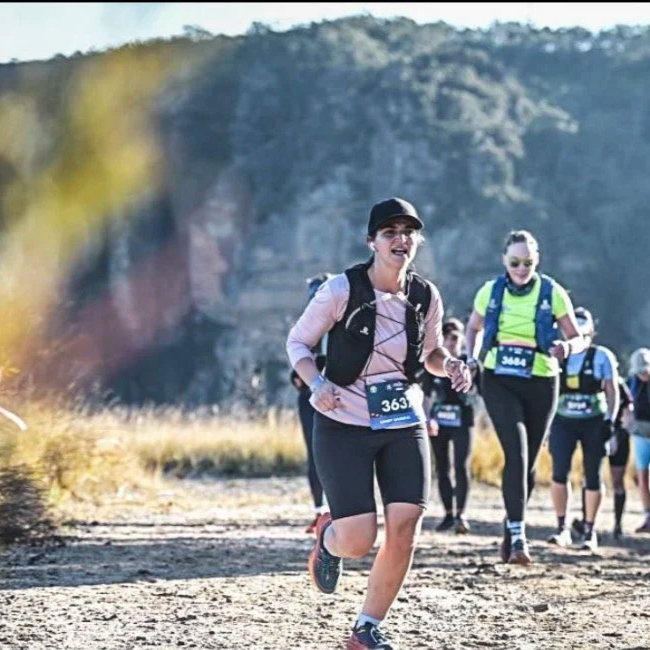
Lower back pain during or after running can develop from changes in training load, hip mobility, muscular endurance and spinal movement. Understanding how your body manages repetitive impact is important for comfortable running. Explore common causes of running-related back pain, practical exercises to support recovery, and how sports chiropractic at Nomad Chiropractic in Mosman can help you return to running with greater confidence and comfort.
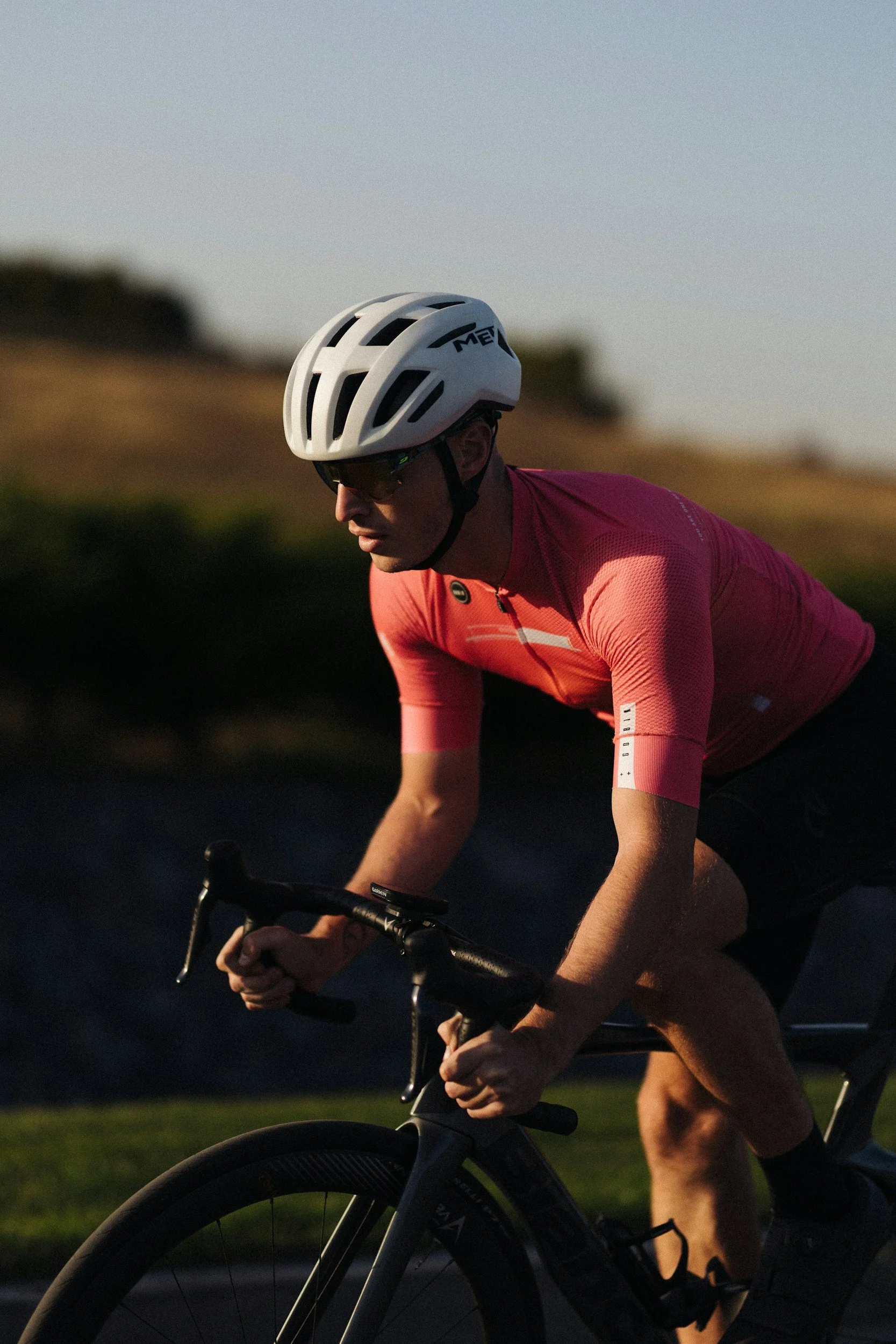
Neck Pain After Cycling: Common Causes and What Helps
Neck pain after cycling is common among road cyclists, triathletes and recreational riders. Prolonged riding positions, muscular fatigue, restricted spinal movement and bike setup can all contribute to discomfort. Discover why your neck hurts during or after cycling, how your nervous system influences movement and posture, and how sports chiropractic at Nomad Chiropractic in Mosman can support recovery and comfortable cycling.
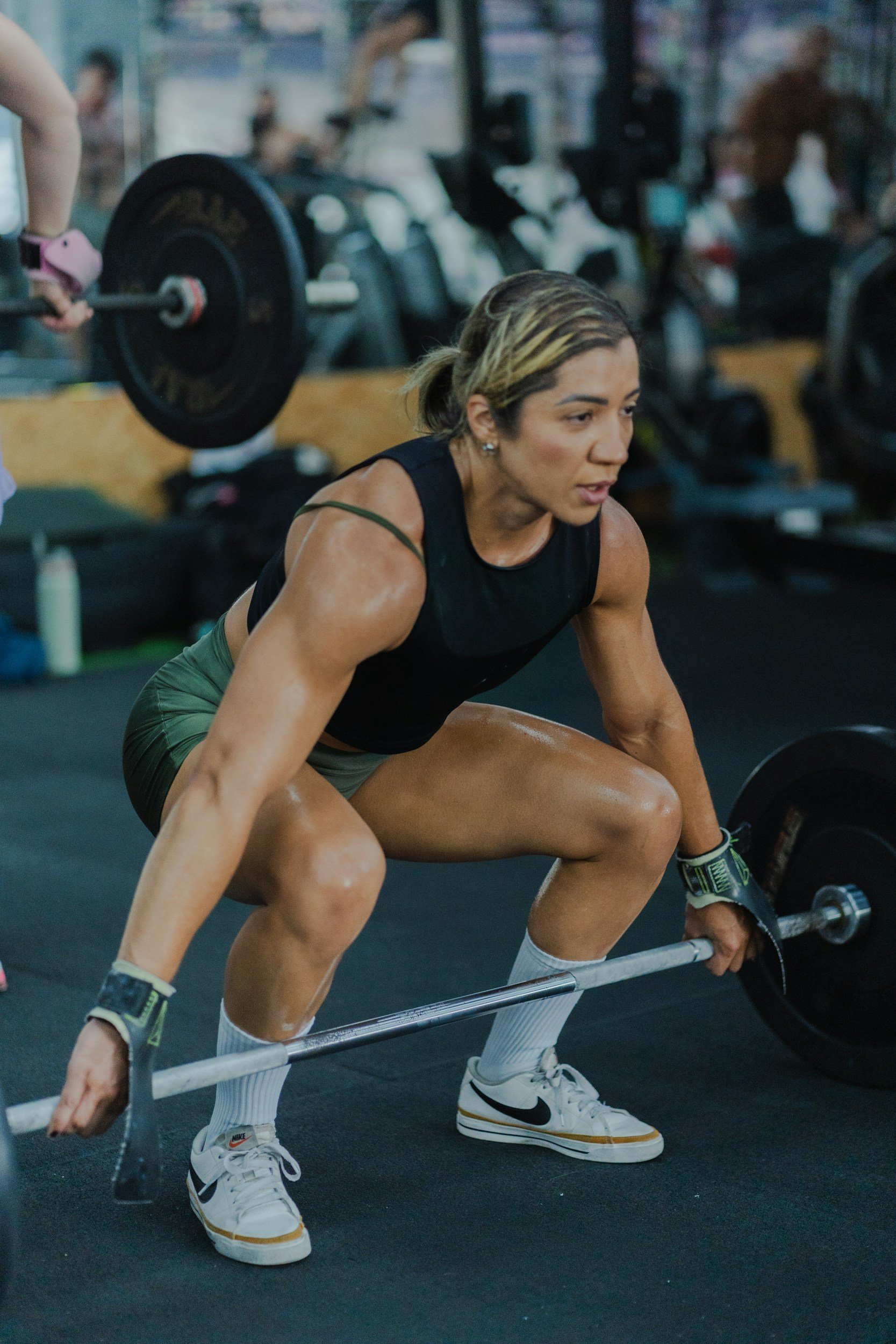
Why Does My Lower Back Hurt After the Gym?
Lower back pain after the gym can develop from training overload, limited mobility, changes in spinal movement or reduced muscular control. Whether your back hurts after squats, deadlifts or a challenging workout, understanding the cause is important. Discover what your symptoms may mean, how to support recovery naturally, and how sports chiropractic at Nomad Chiropractic in Mosman can help you move confidently again.
Post-Concussion Syndrome: Why Brain Fog, Dizziness and Headaches Can Persist
Post-concussion syndrome
Still experiencing headaches, dizziness, brain fog or fatigue weeks after a concussion? Persistent post-concussion symptoms can involve the cervical spine, vestibular system, visual processing and nervous system. Discover why symptoms may linger, what current research tells us about recovery, and when further assessment may help. Explore the neuroscience with Dr Teri Meyer at Nomad Chiropractic in Mosman, Sydney's Lower North Shore.
Understanding Concussion: What Happens to Your Brain and Why Symptoms Matter
Understanding Concussion
Concussion affects more than your head. It can disrupt how your brain processes information, maintains balance and coordinates movement. Learn what happens during a concussion, why symptoms such as headaches, dizziness and brain fog develop, and how the cervical spine may contribute to recovery. Explore the neuroscience with Dr Teri Meyer, our chiropractor with postgraduate neuroscience training at Nomad Chiropractic, Mosman, Sydney.

Why Is My Baby Rocking on Hands and Knees? The Stage Before Crawling
Rocking on All 4s
Has your baby started rocking back and forth on their hands and knees but isn't crawling yet? This repetitive little movement can be an exciting part of learning to move. Discover why babies rock on all fours, when crawling may follow, what backward movement means, simple ways to encourage crawling at home, and the movement patterns worth watching as your baby's mobility develops.

Why Balance Is the Foundation for Learning, Movement and Confidence
Vestibular System | Balance & Coordination
The vestibular system is your child's internal balance system and plays a vital role in movement, coordination, posture, vision and learning. Discover why tummy time, crawling, climbing, swinging and outdoor play are essential for healthy brain development, plus practical activities you can use at home to support your baby's vestibular system naturally from infancy through the toddler years.

Lower Limb Pinched Nerves: Understanding Sciatica, Femoral Nerve Pain, Meralgia Paresthetica and Leg Numbness
Lower Limb Radiculopathy
Leg pain, foot numbness, burning thighs, and sciatica-like symptoms can all be signs of nerve irritation. In this guide, we explore the most common lower limb nerve conditions including sciatica, femoral nerve entrapment, meralgia paresthetica, and tarsal tunnel syndrome. Learn practical home care strategies, nerve gliding exercises, PNF stretching techniques, and how chiropractic care may support healthy movement and nerve function.

Upper Limb Pinched Nerves: Understanding Arm, Elbow, Wrist and Hand Nerve Pain
Upper Limb Radiculopathy
Numb hands, tingling fingers, elbow pain, or arm weakness may be signs of an irritated nerve. In this guide, we explore common upper limb nerve conditions including carpal tunnel syndrome, cubital tunnel syndrome, thoracic outlet syndrome, and cervical nerve irritation. Learn practical home care strategies, nerve gliding exercises, PNF stretching techniques, and how chiropractic care may support healthy nerve function and movement.
How to Relieve a Pinched Nerve Naturally: Understanding Nerve Pain, Nerve Glides, and When to Seek Help
Why do I have tingling and numbness in my hand? Why do I get shooting pain down my leg?
Pins and needles, numbness, burning, or shooting pain can all be signs of a pinched nerve. In this guide, we explore what causes nerve irritation, why nerves need to move freely, and practical strategies that may help—from nerve glides and PNF stretching to posture and chiropractic care. Learn how to support healthier movement and nervous system function naturally.

Chronic Back Pain: Why It Keeps Coming Back and What You Can Do About It
Chronic Back Pain Treatment
Chronic back pain affects millions of Australians and can make everyday activities frustrating and exhausting. If your lower back pain keeps returning or never seems to fully settle, there is often more going on than a simple muscle strain. This guide explores common causes of chronic back pain, natural ways to support recovery, and how chiropractic care may help improve movement and long-term spinal health.

Acute Back Pain: Why It Happens and How to Find Natural Relief
Sudden Onset Back Pain Treatment
Acute back pain often appears suddenly after lifting, twisting, prolonged sitting or awkward movement. It may feel like your back has “locked up” or become difficult to move. In this guide, we explain the common causes of acute lower back pain, natural home care strategies that may help relieve symptoms, and how chiropractic care can support recovery and restore healthy spinal movement.

Why Balance Declines as We Age - and How We Can Improve It
Balance - Fall Prevention
Balance relies on three systems working together: your eyes, your inner-ear vestibular system and proprioception — your body's awareness of where it is in space. As we age, changes in strength, joint mobility, vision, sensation and reaction time can affect stability. Regular movement, strength and balance exercises, alongside appropriate musculoskeletal care, can help support confidence, mobility and independence throughout healthy ageing.