
Neck Pain: Causes, Nervous System Impact & Natural Relief
Neck pain is a common condition linked to posture, prolonged screen use, stress, muscle tension, and reduced spinal movement. It can contribute to headaches, jaw tension, shoulder pain, and reduced quality of life. At Nomad Chiropractic in Mosman, we take a neurologically-focused and holistic approach to neck pain, assessing spinal function, posture, muscle tone, and nervous system stress to support long-term relief and improved movement. We help adults across Mosman, Cremorne, Neutral Bay, and Sydney’s Lower North Shore & Lower Northern Beaches manage acute and chronic neck pain naturally.
Understanding symptoms, causes, and how chiropractic care can help
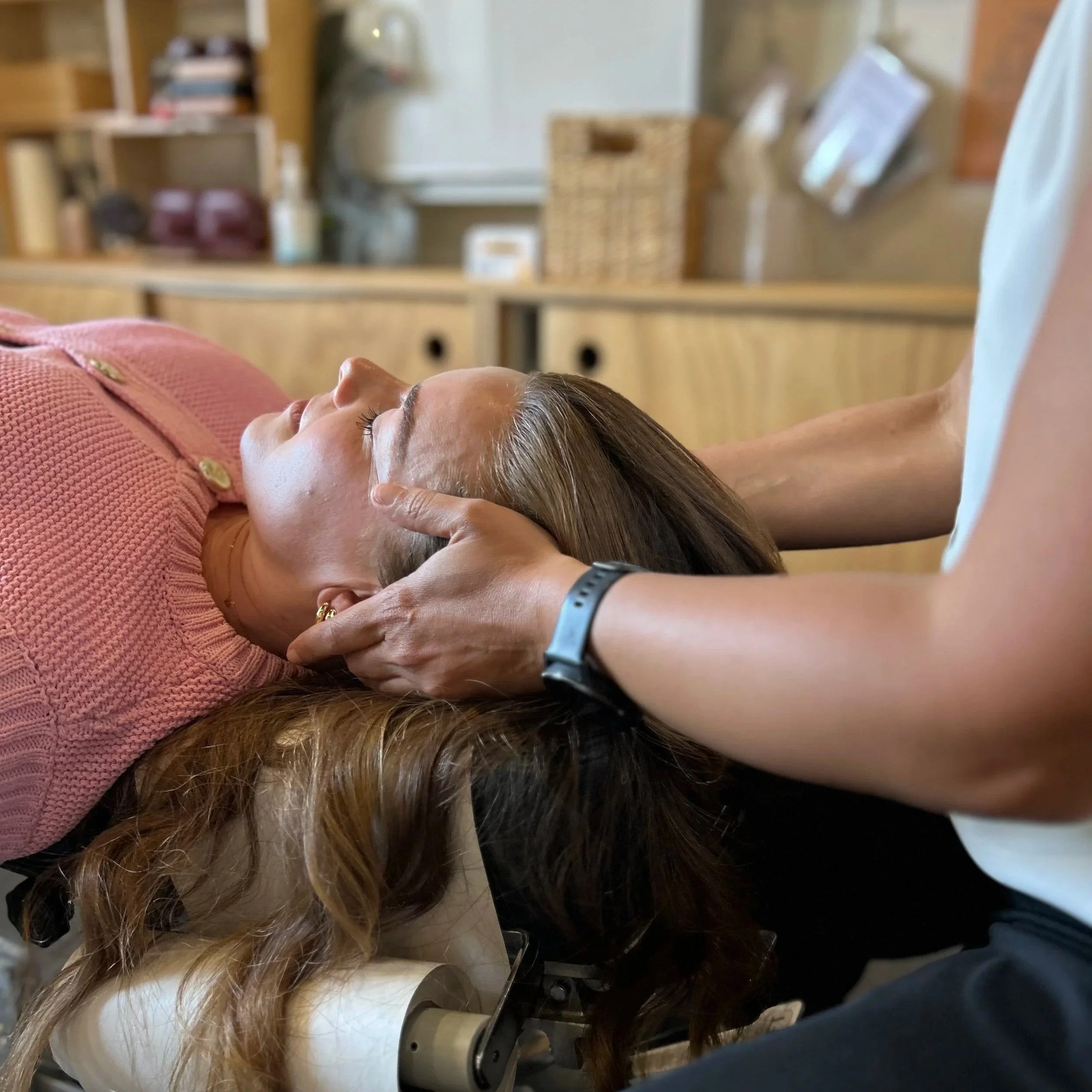
Neck Pain Is Common — But Not Always Simple
Neck pain affects a large proportion of adults at some point in their lives, particularly those who spend long hours sitting, working at desks, caring for children, or managing high stress loads. While some neck pain follows a clear injury, many people experience symptoms that seem to “come out of nowhere” — stiffness, aching, sharp pain, or restricted movement without a single triggering event.
The neck is not just a mechanical structure. It plays a vital role in posture, balance, breathing patterns, nervous system regulation, and sensory input to the brain. When function is reduced, pain is often just one part of a broader pattern.
Common Causes of Neck Pain
1. Postural Strain & Screen Use
Prolonged sitting, laptop work, and phone use increase strain on the cervical spine. Forward head posture significantly increases the load on neck joints and muscles, contributing to fatigue, stiffness, and pain over time.
2. Muscle Tension & Stress
Emotional and physical stress often shows up in the neck and shoulders. When the nervous system is stuck in a heightened “fight or flight” state, muscles remain tense, reducing circulation and movement.
3. Joint Restriction & Reduced Movement
Spinal joints require regular movement to stay healthy. Reduced mobility — whether from past injury, sedentary habits, or repetitive strain — can lead to local inflammation and altered muscle control.
4. Jaw, Headache & Upper Back Connections
The neck works closely with the jaw (TMJ), upper back, and shoulder girdle. Dysfunction in one area often affects the others, which is why neck pain frequently overlaps with headaches, migraines, and jaw tension.
The Nervous System’s Role in Neck Pain
The cervical spine has one of the highest concentrations of sensory receptors in the body. These receptors constantly send information to the brain about head position, balance, and movement.
When spinal movement is reduced or muscle tension is chronic:
Sensory input becomes distorted
The nervous system may stay in a protective state
Pain thresholds can lower
Recovery slows
This is why neck pain is often persistent rather than purely mechanical. Supporting nervous system regulation is a key part of long-term improvement.
How Chiropractic Care Can Help Neck Pain
At Nomad Chiropractic, neck pain care goes beyond simply “cracking” the neck.
A comprehensive approach may include:
Assessment of cervical and upper thoracic movement
Postural evaluation
Muscle tone and tension patterns
Breathing and stress load considerations
Nervous system regulation strategies
Chiropractic adjustments aim to restore joint motion, reduce protective muscle guarding, and improve communication between the spine and nervous system. Care is always tailored to the individual, with techniques selected based on comfort, presentation, and goals.
Acute vs Chronic Neck Pain
Acute Neck Pain
Often follows:
Sudden movement
Poor sleep position
Short-term overload
These cases may respond relatively quickly once movement and muscle balance are restored.
Chronic Neck Pain
Usually develops gradually and is influenced by:
Long-term posture
Ongoing stress
Previous injuries
Reduced physical resilience
Chronic cases often require a short care plan focused on rebuilding movement capacity and nervous system adaptability.
Home Care Strategies for Neck Pain
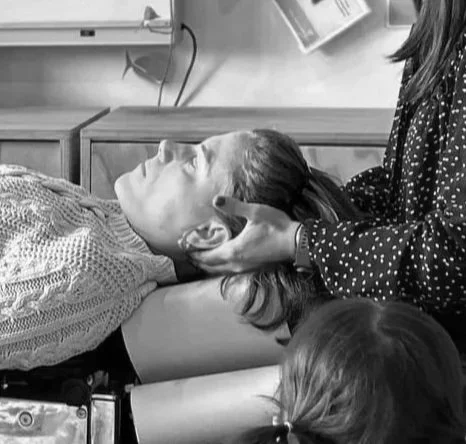
Supporting your neck between visits is essential. Simple strategies can make a significant difference.
1. Posture Awareness (Not Perfection)
Rather than forcing “perfect posture,” aim for frequent position changes. Small, regular movement breaks reduce cumulative strain.
2. Gentle Mobility
Slow neck movements within a comfortable range help maintain joint nutrition and reduce stiffness. Avoid forcing stretches into pain.
3. Breathing & Stress Regulation
Diaphragmatic breathing helps shift the nervous system out of a stress-dominant state, reducing neck and shoulder tension.
4. Sleep Support
Pillow height and sleeping position matter. The goal is neutral neck support — not flexed forward or tilted excessively.
5. Strength & Movement Variety
Long-term neck health relies on movement confidence. Gradual strengthening and varied daily movement help prevent recurrence.
When Should You Seek Help for Neck Pain?
Consider professional assessment if:
Pain persists beyond a few days
You experience recurring stiffness or headaches
Neck pain affects sleep, work, or exercise
Symptoms are worsening or spreading
Early support often prevents minor issues from becoming long-term problems.
Neck Pain Care in Mosman & Sydney’s Lower North Shore
Adults in Mosman, Neutral Bay, Cremorne, and surrounding Lower North Shore suburbs often experience neck pain related to modern work demands, parenting load, and stress. A care approach that respects both biomechanics and nervous system health is key to sustainable relief.
Homecare Movement Tips
📲 FOLLOW SANDY ON SOCIALS! She gives heaps of Homecare intentional movement tips.
👉[Facebook]
👉[Instagram]
FAQ
-
Yes. Stress and anxiety can significantly contribute to neck pain by keeping the nervous system in a heightened state, leading to ongoing muscle tension in the neck and shoulders. Over time, this sustained tension can reduce movement, alter posture, and increase pain sensitivity.
-
Neck pain can sometimes be felt in the shoulders, upper back, or arms due to shared muscles and nerve pathways. While this is common, radiating symptoms should be assessed to determine whether joint restriction, muscle tension, or nerve irritation is contributing to the discomfort.
Learn more about what the research says here
-
Yes. Sleeping with inadequate neck support or in positions that strain the cervical spine can aggravate neck pain. Pillow height, mattress support, and sleep posture all influence how well the neck muscles and joints recover overnight.
-
Prolonged desk work can contribute to neck pain, especially when combined with forward head posture and limited movement. Sustained positions increase load on neck structures, making regular movement breaks and ergonomic support important for prevention.
-
Yes. Chiropractic care may help reduce the frequency of recurring neck pain by improving spinal mobility, supporting posture, and enhancing nervous system regulation. Preventative strategies often include movement guidance, postural awareness, and stress management alongside care.
If neck pain is affecting your comfort, focus, or daily movement, a thorough assessment can help uncover what’s driving it. At Nomad Chiropractic in Mosman, we take a calm, evidence-informed, neurologically-focused approach to supporting neck pain and long-term spinal health.
Want to learn more? Book a FREE 15min discovery call with one of our North Shore Neck Pain Chiropractors today: Book HERE
-
Cagnie B et al. Physiology of the cervical spine and neck pain. Journal of Manipulative and Physiological Therapeutics.
McGill SM. Low Back Disorders & spinal biomechanics. Human Kinetics.
Haavik H, Murphy B. The role of spinal function in sensorimotor integration. Journal of Electromyography and Kinesiology.
Falla D et al. Muscle dysfunction in neck pain. Journal of Applied Physiology.
Cohen SP. Epidemiology, diagnosis, and treatment of neck pain. Mayo Clinic Proceedings.
-
Chiropractors do not claim to cure neck conditions. Chiropractic care focuses on improving spinal function and supporting the nervous system, which may assist with the management of symptoms in some individuals. Individual results may vary. This information is general and not a substitute for individual health advice. Always consult your healthcare provider.