
How One Spinal Manipulation Session Boosts Strength + Brain-to-Muscle Drive in Athletes
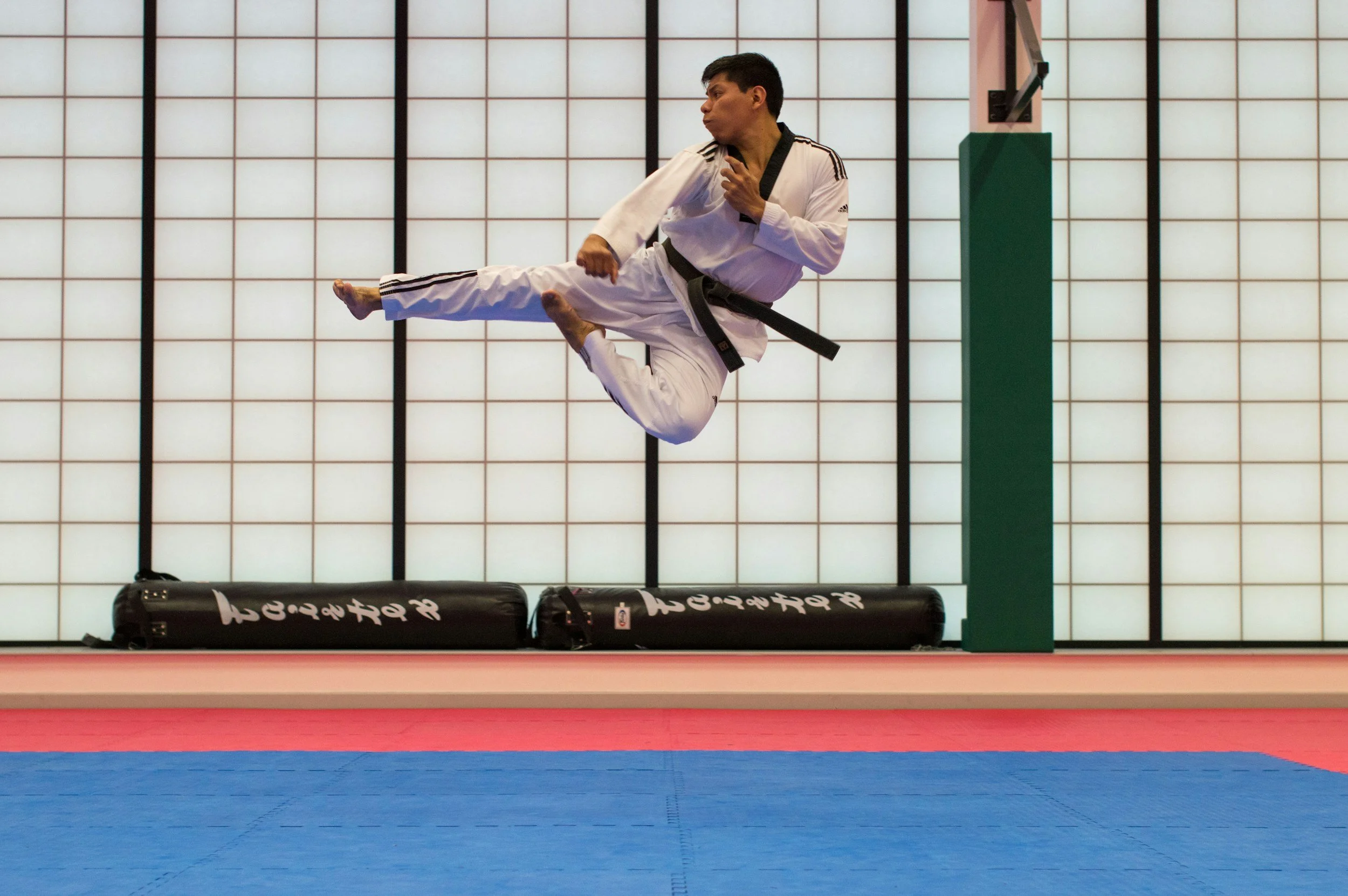
A 2018 study on elite Taekwondo athletes found that a single session of spinal manipulation can temporarily increase lower-limb strength and significantly enhance brain-to-muscle communication (corticospinal drive). Strength gains peaked within 30 minutes, while neural activation improvements lasted up to an hour. The findings suggest spinal manipulation may act as a short-term neurological primer when timed before strength, power, or speed-based training — particularly as part of a broader, evidence-based athletic preparation strategy.
Why This Study Matters
This study adds weight to the idea that spinal manipulation influences the nervous system, not just joints or muscles. In elite athletes, a single adjustment improved how strongly the brain could activate muscle and produced a brief increase in strength. While the effects were short-lived, they highlight a potential role for chiropractic care in optimising neurological readiness before high-intensity training or competition. The takeaway isn’t that adjustments replace training — but that timing and nervous system priming may matter more than previously thought.
Is Chiropractic More Than Pain Relief?
Chiropractic spinal manipulation is widely used in clinics across Melbourne, Sydney, Brisbane, Auckland, and Wellington — not just for back pain, but increasingly for performance enhancement. Historically viewed as a treatment to reduce pain and improve mobility, emerging research suggests spinal manipulation may also influence brain-to-muscle communication and athletic power output.
One landmark study by Thomas Lykke Christiansen and colleagues (2018) directly investigated this question among elite Taekwondo athletes to see whether:
✔ A single session of spinal manipulation
✔ Can increase muscle strength
✔ And enhance cortical drive (brain signalling) to muscles
This blog breaks down the science — and what it really means for athletes, trainers, and chiropractors.
Study Overview: Spinal Manipulation Meets Performance Science
What They Did
Researchers recruited 11 elite Taekwondo athletes and used a randomised, controlled crossover design — meaning each athlete experienced:
🔹 A real spinal manipulation session
🔹 And a passive movement control session (no manipulation)
Measurements were taken:
⚡ Before intervention
⚡ Immediately after
⚡ 30 minutes post
⚡ 60 minutes post
They tracked:
Maximum voluntary contraction (MVC) – a key strength measure
V-waves – reflects corticospinal excitability (brain’s ability to drive the muscle)
H-reflex – represents spinal cord reflex activity
Key Results: Strength & Neural Drive Increased
1️⃣ Muscle Strength Increased
After spinal manipulation, athletes showed a significant increase in plantar flexor strength (calf muscle that propels jumping and punching power) compared to the control group.
Strength gains lasted ~30 minutes after the session
Suggests a short-term performance window post-manipulation
This is meaningful for pre-competition preparation, warm-ups, and power-based training.
2️⃣ Corticospinal Drive Increased
Even more intriguing was the change in neural signalling:
✔ The V-wave amplitude significantly increased
✔ This indicates enhanced brain-to-muscle communication
✔ The increase persisted for at least 60 minutes — longer than the strength boost
This means the nervous system was more effectively driving muscle activity — potentially improving coordination, reaction time, and force production.
3️⃣ H-Reflex Didn’t Change Significantly
Despite the changes in strength and cortical drive, the H-reflex didn’t show meaningful change. This suggests the effects were likely supraspinal (brain-level) rather than purely spinal reflexes.
Why It Matters: Mechanisms Explained
So why did a spinal manipulation session produce measurable changes in strength and neural drive?
Here’s what the evidence suggests:
✔ Neural Plasticity
Chiropractic adjustments influence central nervous system (CNS) processing, particularly:
Sensorimotor integration
Corticospinal excitability
Motor unit recruitment
✔ Cortical Drive Enhancement
Increased V-waves reflect more effective descending motor control — meaning the brain sends stronger signals to muscles.
This can improve:
📍 Power generation
📍 Muscle coordination
📍 Fatigue resistance
📍 Reaction speed
What This Means for Athletes & Trainers
1. Instant Performance Window
The study suggests a 30–60 minute “performance boost window” after manipulation — which may be ideal for:
Warm-ups
Technique training
Speed-strength and power drills
Competition prep
If you’re a coach planning a training session around chiropractic care, consider scheduling adjustments right before high-intensity work.
2. Not Just Strength — Nervous System Integration
This isn’t simply about muscle size or tension; it’s about the communication network between brain and muscle.
Better cortical drive can enhance:
⚡ Reaction time
⚡ Precision in movement
⚡ Stability and balance
⚡ Overall athletic coordination
3. Implications for Pain-Free Athletes
Even athletes without pain may benefit from manipulation through improved neuromuscular function, adding another tool to the high-performance toolkit.
Limitations — What the Research Didn’t Show
As with all research, there are limitations:
Small sample size (n=11) — larger studies needed
Elite Taekwondo athletes — may not generalise to all sports
Short-term effects — long-term functional gains unclear
Further research is needed to assess long-term performance adaptations, optimal timing, and effects across different athletic populations.
So what does this all mean?
This research suggests spinal manipulation may do more than help athletes feel looser or move better — it may temporarily enhance how effectively the brain communicates with muscles. In elite athletes, a single session improved strength for around 30 minutes and increased neural drive for up to an hour, creating a short performance “window.” Practically, this means spinal manipulation could be used strategically before strength, power, or speed-based training to prime the nervous system. Importantly, these effects are short-term and individual, reinforcing that chiropractic works best as an adjunct to evidence-based training, recovery, sleep, and nutrition — not a standalone performance solution.
👉 Link to the actual paper here
FAQ: Chiropractic Spinal Manipulation & Performance
-
A: Yes. This study showed measurably higher strength in ankle plantar flexors after manipulation compared to control.
-
A: Strength increases lasted ~30 minutes; neural drive improvements lasted at least 60 minutes.
-
A: Individual responses vary. It’s best to monitor strength outputs, readiness scores, RPE, and performance trends.
-
A: It appears supraspinal — meaning the brain’s drive to muscles improved. H-reflex (spinal reflex) didn’t significantly change.
-
A: No — but it may optimise neurological readiness and motor control in conjunction with training.
A 2018 study in elite Taekwondo athletes found that a single session of spinal manipulation can temporarily increase muscle strength and enhance brain-to-muscle communication, with effects peaking within 30–60 minutes, suggesting a short-term performance priming effect when timed before training or competition.
Want to learn more? Book a FREE 15min discovery call with one of our North Shore Chiropractors today: Book HERE
-
-
The information provided on this website is for general educational purposes only and is not intended to replace professional healthcare advice, diagnosis, or treatment. Chiropractic care may assist with musculoskeletal function and nervous system health; however, individual outcomes may vary.
This content does not constitute medical advice and should not be used to diagnose or treat any health condition. Always seek advice from a registered healthcare professional if you have concerns about your symptoms, particularly if symptoms are severe, worsening, or persistent.
If you experience red flag symptoms such as unexplained weight loss, fever, loss of bladder or bowel control, progressive weakness, or significant trauma, seek immediate medical attention.
Nomad Chiropractic practitioners are registered with the Australian Health Practitioner Regulation Agency (AHPRA) and provide care in accordance with Australian healthcare standards and scope of practice.