
Acute Back Pain: Why It Happens and How to Find Natural Relief
QUICK Links:
Posture | Lower back pain | Sciatica
Neck pain | Headaches
Acute back pain is one of the most common reasons people seek chiropractic care. It often appears suddenly after lifting, twisting, sitting too long, or waking with a stiff back.
Most cases involve irritated joints, muscles, or discs in the lower spine. Chiropractic care focuses on restoring spinal movement, calming the nervous system, and helping the body heal naturally.
At Nomad Chiropractic in Mosman, we combine gentle adjustments, movement guidance, and practical home care strategies to support recovery and prevent recurrence.
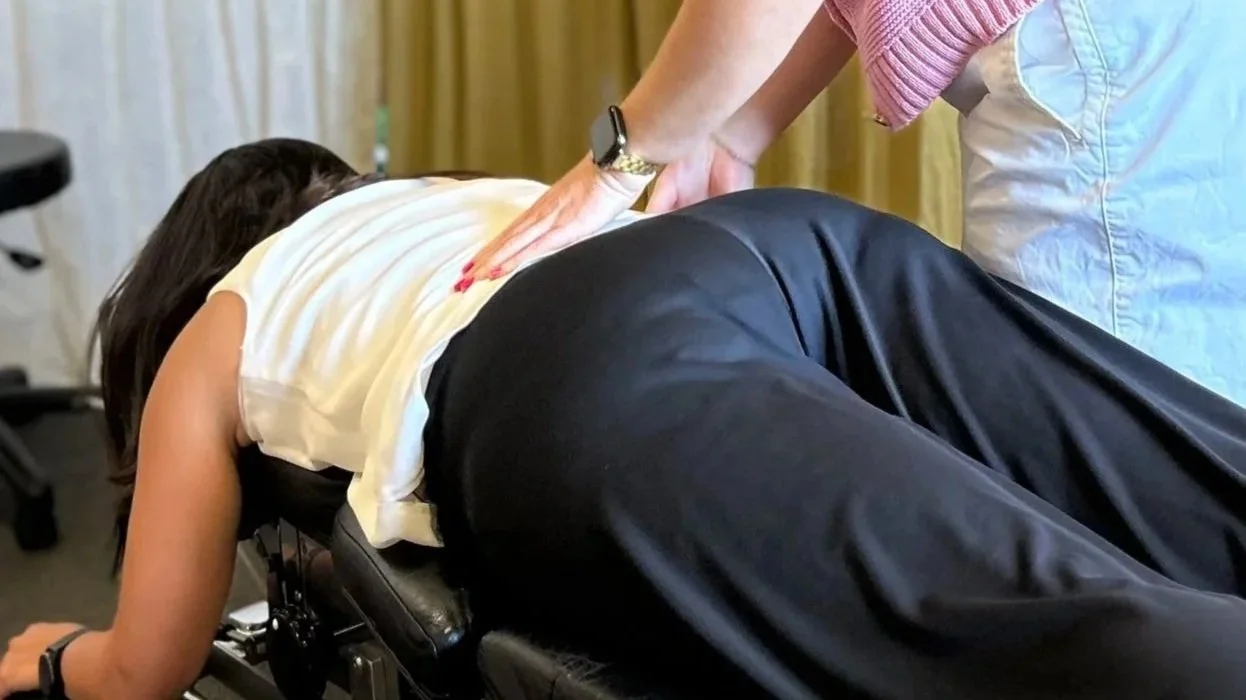
(A guide from Nomad Chiropractic Mosman)
If you’ve ever bent down to pick something up and suddenly felt a sharp catch in your lower back, you’re not alone. Acute back pain is one of the most common musculoskeletal complaints worldwide and one of the most frequent reasons people search for a “chiropractor for back pain near me.”
Many people describe it as:
“My back suddenly locked up”
“Sharp lower back pain after lifting something”
“I woke up with severe back pain”
“Lower back pain when standing up or bending”
“Back pain that makes it hard to move”
In many cases, acute back pain can feel alarming, but the good news is that most episodes improve significantly when the underlying joint irritation and muscle tension are addressed early.
At Nomad Chiropractic in Mosman, we commonly see people across the North Shore and Northern Beaches of Sydney who are dealing with sudden back pain from everyday activities like lifting children, sitting at a desk too long, sports injuries, or awkward sleeping positions.
Understanding what’s happening in the spine can help you take the right steps toward recovery.
What Is Acute Back Pain?
Acute back pain refers to pain that begins suddenly and typically lasts less than six weeks.
It often involves irritation of structures in the spine including:
Spinal joints (facet joints)
Muscles and ligaments
Intervertebral discs
Nerve irritation
Protective muscle spasms
Most commonly, it occurs in the lumbar spine (lower back), which absorbs significant mechanical load during lifting, bending, and twisting.
When a joint in the spine becomes restricted or inflamed, surrounding muscles often tighten to protect the area. This protective response can create the sensation of “locking,” stiffness, or difficulty moving.
Research shows that movement dysfunction and spinal joint restriction are frequently associated with episodes of acute back pain. Restoring normal movement is therefore an important part of recovery.
Common Causes of Acute Back Pain
Many people assume a serious injury must have occurred, but in reality acute back pain often develops from simple everyday movements.
Common triggers include:
Lifting Something Heavy
One of the most common search phrases people type into Google is:
“Lower back pain after lifting something heavy.”
Improper lifting mechanics can overload the lumbar spine and irritate joints or discs.
Sitting for Long Periods
Prolonged sitting compresses the lower spine and can create stiffness.
People often report:
Back pain when standing up after sitting
Tight lower back after desk work
Pain after driving long distances
Twisting Movements
Rotating while lifting or reaching can strain the stabilising muscles of the spine.
Sudden Awkward Movements
Simple things like:
Picking up a child
Getting out of the car
Reaching into the back seat
Gardening
can trigger sudden pain if the spine is already under strain.
Poor Sleeping Position
Many patients say:
“I woke up with sharp lower back pain and can barely move.”
Sleeping with the spine twisted or unsupported can irritate joints overnight.
Symptoms of Acute Back Pain
Symptoms vary depending on which tissues are irritated.
Common signs include:
Sharp lower back pain with movement
Back stiffness and difficulty bending
Muscle spasms
Pain when standing up straight
Difficulty twisting or rotating
Localised tenderness
Sometimes pain may also travel into the:
buttock
hip
upper thigh
If symptoms travel below the knee or include numbness, further evaluation may be needed.
Why Movement Is Important for Recovery
For many years, people with back pain were told to rest in bed. Modern research shows that gentle movement is often more beneficial than prolonged rest.
Movement helps:
reduce muscle guarding
restore spinal joint motion
stimulate circulation
support disc hydration
calm pain signals in the nervous system
This is why many people seek chiropractic care for acute lower back pain, as treatment focuses on restoring healthy spinal movement.
How Chiropractic Care Helps Acute Back Pain
Chiropractic care is widely used for mechanical back pain and spinal joint dysfunction.
At Nomad Chiropractic Mosman, care focuses on:
Gentle Spinal Adjustments
Adjustments aim to restore normal joint movement and reduce irritation in the spine.
Research suggests spinal manipulation can improve pain and mobility in acute low back pain.
Muscle Relaxation and Movement Work
We assess surrounding muscle patterns that may be contributing to tension or guarding.
Nervous System Regulation
The spine houses the spinal cord, which coordinates movement and stability. Restoring motion can help improve communication between the brain and body.
Personalised Home Care Advice
Every patient receives guidance on movement, posture, and exercises to support recovery.
Gentle Exercises for Acute Back Pain
These exercises are generally safe for many people with mild to moderate acute back pain, but should be performed slowly and comfortably.
1. Pelvic Tilt
Helps activate deep stabilising muscles.
Steps:
Lie on your back with knees bent
Gently tilt your pelvis to flatten your lower back into the floor
Hold for 5 seconds
Repeat 10 times
2. Knee to Chest Stretch
Helps reduce tension in the lower spine.
Steps:
Lie on your back
Bring one knee toward the chest
Hold for 15 seconds
Switch sides
Repeat 5 times each side.
3. Cat-Cow Movement
Encourages spinal mobility.
Steps:
Start on hands and knees
Slowly round your back upward
Then gently arch your back downward
Move slowly with breathing
Repeat 10 times.
Natural Home Care Tips for Acute Back Pain
While professional care can help restore spinal movement, there are several natural home strategies that may help relieve acute back pain.
1. Gentle Walking
Short walks stimulate circulation and prevent stiffness.
Aim for:
5–10 minutes
multiple times per day
Avoid long periods of sitting.
2. Use Heat for Muscle Spasm
Heat may help relax tight muscles.
Options include:
heat packs
warm showers
gentle stretching after warming the area
3. Avoid Prolonged Sitting
Sitting increases disc pressure in the lumbar spine.
If you work at a desk:
stand up every 30 minutes
perform gentle mobility exercises
change positions frequently
4. Maintain a Neutral Spine When Sleeping
A supportive mattress and pillow help keep the spine aligned.
Helpful positions include:
sleeping on your side with a pillow between the knees
sleeping on your back with a pillow under the knees
At Nomad Chiropractic we often recommend neutral spine sleeping setups to support spinal recovery.
When Should You See a Chiropractor for Acute Back Pain?
Many people search for help when they experience:
severe lower back pain that makes movement difficult
back pain after lifting something
sudden back stiffness or “locked” feeling
recurring episodes of acute back pain
Seeing a chiropractor early may help:
restore spinal movement
reduce muscle spasm
prevent the issue becoming chronic
At Nomad Chiropractic Mosman, we frequently help patients across Mosman, Neutral Bay, Cremorne, and the North Shore who are dealing with sudden back pain.
Our approach focuses on gentle, neurologically-informed chiropractic care combined with practical movement advice.
Preventing Future Back Pain Episodes
Once symptoms settle, prevention becomes the focus.
Helpful strategies include:
Regular Movement
Avoid long periods of sitting.
Strengthening the Core
Strong stabilising muscles protect the spine.
Improving Lifting Technique
Use your hips and legs rather than bending through the lower back.
Maintaining Good Posture
Small postural changes throughout the day reduce spinal strain.
Regular Spinal Check-ups
Many people choose chiropractic care to maintain spinal mobility and prevent recurring pain.
The Nomad Difference
At Nomad Chiropractic in Mosman, our care is centred around the nervous system and whole-body function.
We take time to assess:
spinal movement
posture
muscle balance
lifestyle habits
nervous system stress patterns
Rather than focusing only on pain, our goal is to restore healthy movement and support long-term spinal resilience.
We see patients of all ages across Mosman, the North Shore, and Northern Beaches of Sydney seeking natural support for acute back pain.
Frequently Asked Questions
How long does acute back pain usually last?
Acute back pain typically lasts a few days to six weeks. Many cases improve within the first two weeks when movement is gradually restored and the underlying joint irritation settles. Early management including gentle movement, posture changes, and professional care may help reduce the risk of symptoms becoming chronic.
Should I rest or stay active with acute back pain?
Short periods of rest may help during severe pain, but prolonged bed rest is generally not recommended. Research suggests gentle movement such as walking and light mobility exercises can support recovery by maintaining circulation and reducing stiffness.
Can chiropractic help acute lower back pain?
Yes. Many people seek chiropractic care for acute back pain. Chiropractic treatment focuses on restoring spinal joint movement, reducing muscle tension, and improving mobility. Clinical guidelines in several countries include spinal manipulation as a management option for mechanical low back pain.
When should I seek medical help for back pain?
You should seek urgent medical care if back pain is accompanied by:
loss of bowel or bladder control
numbness in the groin area
progressive leg weakness
severe trauma
These symptoms are rare but require immediate evaluation.
Why does my back keep going out?
Recurring episodes often occur when underlying movement restrictions in the spine are not fully resolved. Contributing factors can include:
poor lifting mechanics
prolonged sitting
weak stabilising muscles
previous injuries
Addressing movement patterns and spinal function may help reduce recurrence.
If you’re experiencing acute back pain or sudden lower back stiffness, the team at Nomad Chiropractic Mosman is here to help support your recovery and movement.
Want to learn more? Book a FREE 15min discovery call with one of Sydney’s best Chiropractors today: Book HERE
-
Qaseem A, et al. Noninvasive treatments for acute and chronic low back pain. Annals of Internal Medicine.
World Health Organization. WHO Guidelines for the Management of Low Back Pain.
American College of Physicians. Low Back Pain Clinical Guidelines.
Walker BF. The prevalence of low back pain. Spine.
Cassidy JD et al. Spinal manipulation for low back pain. Spine Journal.
Hartvigsen J et al. What low back pain is and why we need to pay attention. Lancet.
Physiopedia. Low Back Pain Overview.
https://www.physio-pedia.com/Low_Back_Pain
Australian Spinal Research Foundation
https://spinalresearch.com.au
Haavik H. The Reality Check.
National Institute for Health and Care Excellence (NICE) Guidelines for Low Back Pain.
-
The information provided on this website is for general educational purposes only and is not intended to replace professional healthcare advice, diagnosis, or treatment. Chiropractic care may assist with musculoskeletal function and nervous system health; however, individual outcomes may vary.
This content does not constitute medical advice and should not be used to diagnose or treat any health condition. Always seek advice from a registered healthcare professional if you have concerns about your symptoms, particularly if symptoms are severe, worsening, or persistent.
If you experience red flag symptoms such as unexplained weight loss, fever, loss of bladder or bowel control, progressive weakness, or significant trauma, seek immediate medical attention.
Nomad Chiropractic practitioners are registered with the Australian Health Practitioner Regulation Agency (AHPRA) and provide care in accordance with Australian healthcare standards and scope of practice.
Acute back pain commonly develops after lifting, twisting, prolonged sitting, or awkward movements. In many cases it involves irritation of joints, muscles, or discs in the lower spine. Gentle movement, posture changes, and natural home care strategies may support recovery. Chiropractic care focuses on restoring spinal mobility and reducing nervous system stress.
At Nomad Chiropractic in Mosman, we help patients across the North Shore & Northern Beaches recover from sudden back pain and build long-term spinal resilience.