
Chronic Back Pain: Why It Keeps Coming Back and What You Can Do About It
QUICK Links:
Posture | Acute Lower Back Pain
Lower back pain | Sciatica
Neck pain | Headaches
Chronic back pain is back pain that persists for longer than three months or keeps returning over time.
It often develops when underlying movement restrictions, disc stress, muscle imbalance, or lifestyle habits continue to irritate the spine. Many people feel frustrated because they have tried stretches, rest, or exercise but the pain keeps coming back.
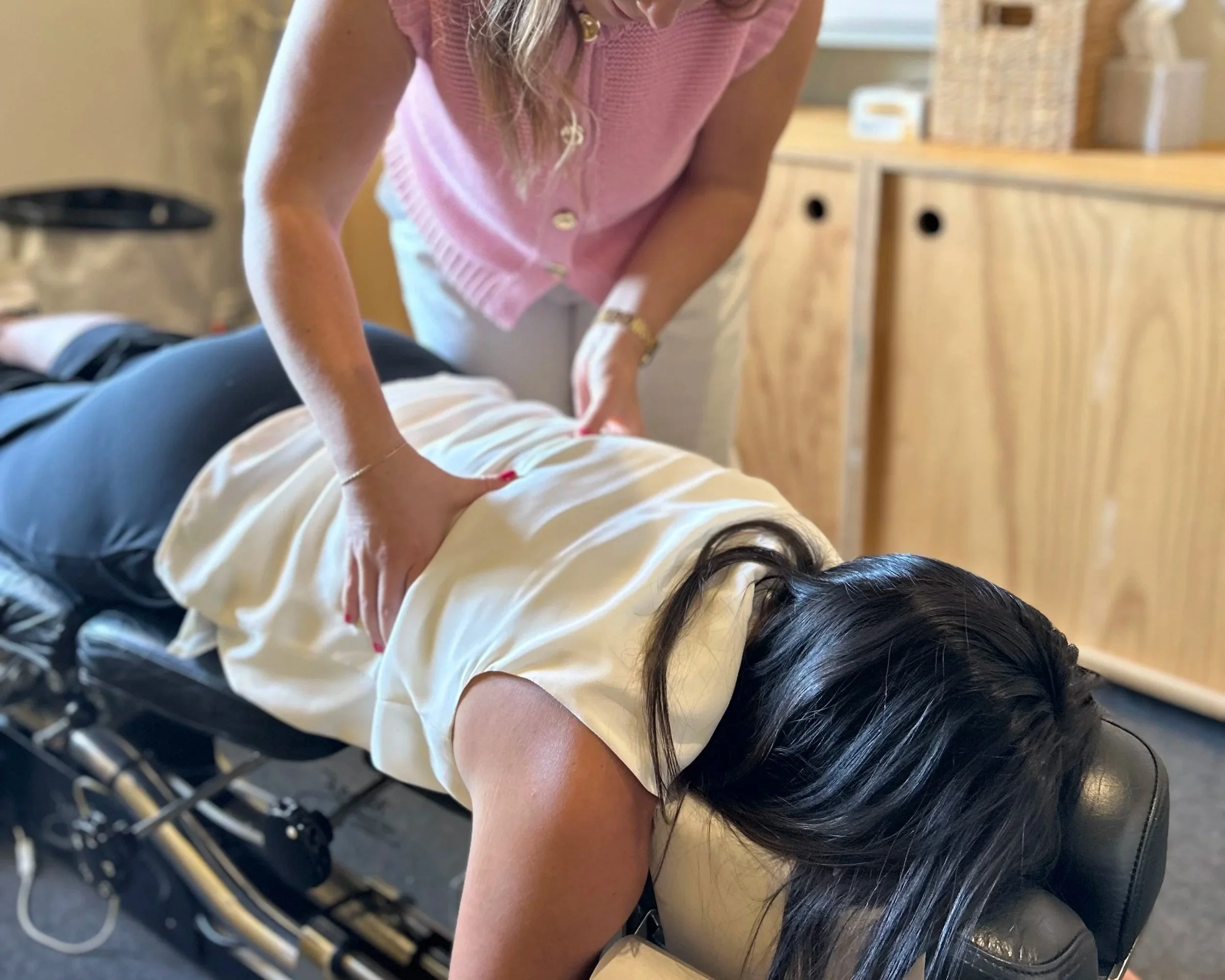
Chiropractic care focuses on restoring spinal movement, improving nervous system function, and helping support long-term recovery.
At Nomad Chiropractic Mosman, we help people across Sydney’s North Shore address the root causes of chronic back pain and improve spinal resilience.
(A guide from Nomad Chiropractic Mosman)
Back pain is incredibly common, but for some people it doesn’t go away quickly. Instead, it becomes a recurring or persistent issue that interferes with work, sleep, exercise, and everyday life.
Many people searching for answers type phrases like:
“Why does my back pain keep coming back?”
“Chronic lower back pain treatment near me”
“Best chiropractor for chronic back pain Sydney”
“Back pain that never fully goes away”
“Lower back pain for months what should I do?”
If this sounds familiar, you’re not alone. Chronic back pain affects millions of people worldwide and can have many contributing factors.
At Nomad Chiropractic in Mosman, we regularly see patients across Mosman, Neutral Bay, Cremorne, and the North Shore of Sydney who are dealing with long-standing back pain that hasn’t fully resolved.
Understanding why chronic pain develops is the first step toward improving it.
What Is Chronic Back Pain?
Chronic back pain is generally defined as pain that lasts longer than 12 weeks or continues to recur over time.
While acute back pain often follows a sudden movement or injury, chronic pain usually develops when underlying issues remain unresolved.
These may include:
spinal joint restriction
disc irritation or degeneration
muscle imbalance
reduced spinal mobility
nervous system sensitivity
lifestyle factors such as prolonged sitting
Over time, the body may adapt to these stresses, but the spine can remain vulnerable to repeated flare-ups.
Why Back Pain Becomes Chronic
Many people ask why their back pain never fully disappears. Often it is due to multiple contributing factors rather than one single injury.
1. Spinal Joint Restriction
The small joints of the spine (facet joints) allow the spine to move smoothly. If these joints lose mobility, surrounding tissues can become irritated.
Restricted joints can also lead to:
muscle guarding
reduced spinal movement
altered posture patterns
Over time this can create ongoing discomfort.
2. Disc Stress and Degeneration
Intervertebral discs act as shock absorbers between spinal bones.
With repetitive stress or aging, discs can gradually lose hydration and elasticity. This can lead to:
disc bulging
disc herniation
reduced shock absorption
People often search for help when experiencing “chronic lower back pain with disc problems.”
3. Muscle Imbalance
Weak or overactive muscles can place uneven stress on the spine.
Common patterns include:
weak core stabilisers
tight hip flexors
overactive lower back muscles
These imbalances may contribute to recurring pain episodes.
4. Prolonged Sitting
Many modern lifestyles involve long periods of sitting.
People frequently search for:
“Lower back pain from sitting too long.”
Sitting increases pressure on the lumbar discs and reduces spinal movement, which may contribute to chronic stiffness and discomfort.
5. Nervous System Sensitivity
When pain persists for a long time, the nervous system can become more sensitive to signals from the spine.
This doesn’t mean pain is “in your head,” but rather that the brain and spinal cord may amplify signals from irritated tissues.
Supporting healthy spinal movement may help calm these signals.
Symptoms of Chronic Back Pain
Symptoms vary depending on the underlying cause.
Common experiences include:
persistent dull lower back ache
stiffness in the morning
back pain after sitting or standing
recurring episodes of acute flare-ups
reduced spinal flexibility
fatigue in the back muscles
Sometimes symptoms may extend into the hips or buttocks, and occasionally into the leg if nerve irritation is involved.
How Chiropractic Care May Help Chronic Back Pain
Many people look for natural approaches to chronic back pain relief when symptoms persist despite rest or exercises alone.
Chiropractic care focuses on improving spinal function and movement.
At Nomad Chiropractic Mosman, care often includes:
Gentle Spinal Adjustments
Adjustments aim to restore movement in spinal joints that may be restricted.
Improving joint mobility may help reduce muscle guarding and improve movement patterns.
Movement and Posture Assessment
We evaluate how the spine moves during daily activities.
This can identify patterns such as:
lifting mechanics
sitting posture habits
movement asymmetries
Addressing these patterns can help reduce recurring stress on the spine.
Nervous System Support
The spine protects the spinal cord, which coordinates movement and muscle control.
Restoring spinal motion may support improved communication between the brain and body.
Personalised Recovery Strategies
Each person receives guidance tailored to their lifestyle, including:
movement habits
work setup
exercise routines
recovery strategies
Natural Home Care Strategies for Chronic Back Pain
Many people want simple natural strategies to support their spine at home.
These approaches may help support recovery.
1. Regular Gentle Movement
Movement nourishes spinal discs and joints.
Helpful activities include:
walking
swimming
mobility exercises
light stretching
Avoid staying in one position too long.
2. Strengthen Core Stabilising Muscles
Core muscles help support the spine.
Focus on strengthening:
deep abdominal muscles
glute muscles
stabilising spinal muscles
This improves spinal support.
3. Improve Sitting Habits
If you work at a desk:
stand up every 30 minutes
use a supportive chair
keep screens at eye height
Alternating between sitting and standing can help reduce spinal stress.
4. Prioritise Sleep Position
Sleep plays an important role in spinal recovery.
Helpful positions include:
side sleeping with pillow between knees
back sleeping with pillow under knees
Maintaining neutral spine alignment overnight can reduce morning stiffness.
Gentle Exercises That May Help Chronic Back Pain
These exercises support spinal mobility and stability.
1. Bird Dog Exercise
Improves spinal stability.
Steps:
Start on hands and knees
Extend opposite arm and leg
Hold for 5 seconds
Switch sides
Repeat 10 times.
2. Glute Bridge
Strengthens hip and core muscles.
Steps:
Lie on back with knees bent
Lift hips upward
Hold for 5 seconds
Slowly lower
Repeat 10–15 times.
3. Spinal Rotation Stretch
Encourages gentle spinal mobility.
Steps:
Lie on back
Bend knees
Slowly rotate knees side to side
Repeat for 1–2 minutes.
When Should You Seek Help for Chronic Back Pain?
You may consider professional assessment if:
back pain lasts longer than 3 months
symptoms frequently return
stiffness limits daily movement
exercises alone have not resolved the issue
Many people search for “chiropractor for chronic back pain near me” when they want a natural approach focused on restoring spinal function.
At Nomad Chiropractic Mosman, we support people across Sydney’s North Shore and Northern Beaches with persistent back pain.
The Nomad Difference to Chronic Lower Back Pain
At Nomad Chiropractic, we focus on more than just pain relief.
Our approach considers:
spinal movement patterns
nervous system function
posture and lifestyle habits
long-term spinal health
By addressing these factors, we aim to help people reduce recurring back pain episodes and improve resilience of the spine.
Frequently Asked Questions about Chronic Lower Back Pain
What is considered chronic back pain?
Back pain is generally considered chronic when it lasts longer than 12 weeks or keeps returning repeatedly over time. It may involve disc irritation, joint dysfunction, muscle imbalance, or nervous system sensitivity.
Why does my back pain keep coming back?
Recurring back pain often occurs when underlying movement restrictions, posture habits, or muscle imbalances are not fully addressed. Lifestyle factors such as prolonged sitting or poor lifting mechanics can also contribute.
Can chiropractic care help chronic back pain?
Yes. Chiropractic care focuses on improving spinal joint movement and reducing tension around the spine. Many people seek chiropractic care as part of a broader strategy to manage chronic back pain and improve mobility.
What exercises are best for chronic back pain?
Exercises that strengthen stabilising muscles and promote mobility are often helpful. These include core stability exercises, glute strengthening, walking, and gentle spinal mobility movements.
When should chronic back pain be investigated further?
Further evaluation may be recommended if pain is severe, progressive, associated with unexplained weight loss, neurological symptoms, or does not improve with conservative care.
If you are experiencing chronic back pain or recurring lower back stiffness, the team at Nomad Chiropractic Mosman can help assess your spinal movement and support your recovery.
Want to learn more? Book a FREE 15min discovery call with one of Sydney’s best Chiropractors today: Book HERE
-
Hartvigsen J et al. Low back pain series. The Lancet.
Qaseem A et al. Noninvasive treatments for low back pain. Annals of Internal Medicine.
World Health Organization. Guidelines for low back pain management.
NICE Guidelines – Low Back Pain and Sciatica.
Australian Spinal Research Foundation
https://spinalresearch.com.au
Physiopedia – Chronic Low Back Pain
https://www.physio-pedia.com/Chronic_Low_Back_Pain
Haavik H. The Reality Check.
National Institute for Neurological Disorders and Stroke – Low Back Pain Information Page.
-
The information provided on this website is for general educational purposes only and is not intended to replace professional healthcare advice, diagnosis, or treatment. Chiropractic care may assist with musculoskeletal function and nervous system health; however, individual outcomes may vary.
This content does not constitute medical advice and should not be used to diagnose or treat any health condition. Always seek advice from a registered healthcare professional if you have concerns about your symptoms, particularly if symptoms are severe, worsening, or persistent.
If you experience red flag symptoms such as unexplained weight loss, fever, loss of bladder or bowel control, progressive weakness, or significant trauma, seek immediate medical attention.
Nomad Chiropractic practitioners are registered with the Australian Health Practitioner Regulation Agency (AHPRA) and provide care in accordance with Australian healthcare standards and scope of practice.
Chronic back pain often develops when underlying spinal movement restrictions, disc stress, muscle imbalance, or lifestyle habits persist over time. Supporting spinal mobility, strengthening stabilising muscles, and improving posture can help reduce recurring episodes. Chiropractic care focuses on restoring healthy spinal movement and supporting nervous system function. At Nomad Chiropractic Mosman, we help patients across Sydney’s North Shore manage chronic back pain naturally and improve long-term spinal health.