
Herniated Disc Recovery Timeline: How Long Does It Take to Heal?
Herniated Disc Recovery Timeline: How Long Does It Take to Heal?
A disc herniation can feel frustrating, painful and uncertain—especially when you do not know how long recovery should take. While every case is different, many disc injuries improve within weeks to months when properly supported.
At Nomad Chiropractic in Mosman, we help patients understand the healing process, calm nerve irritation, restore movement and support long-term spinal resilience through tailored care, movement strategies and nervous system-focused guidance.
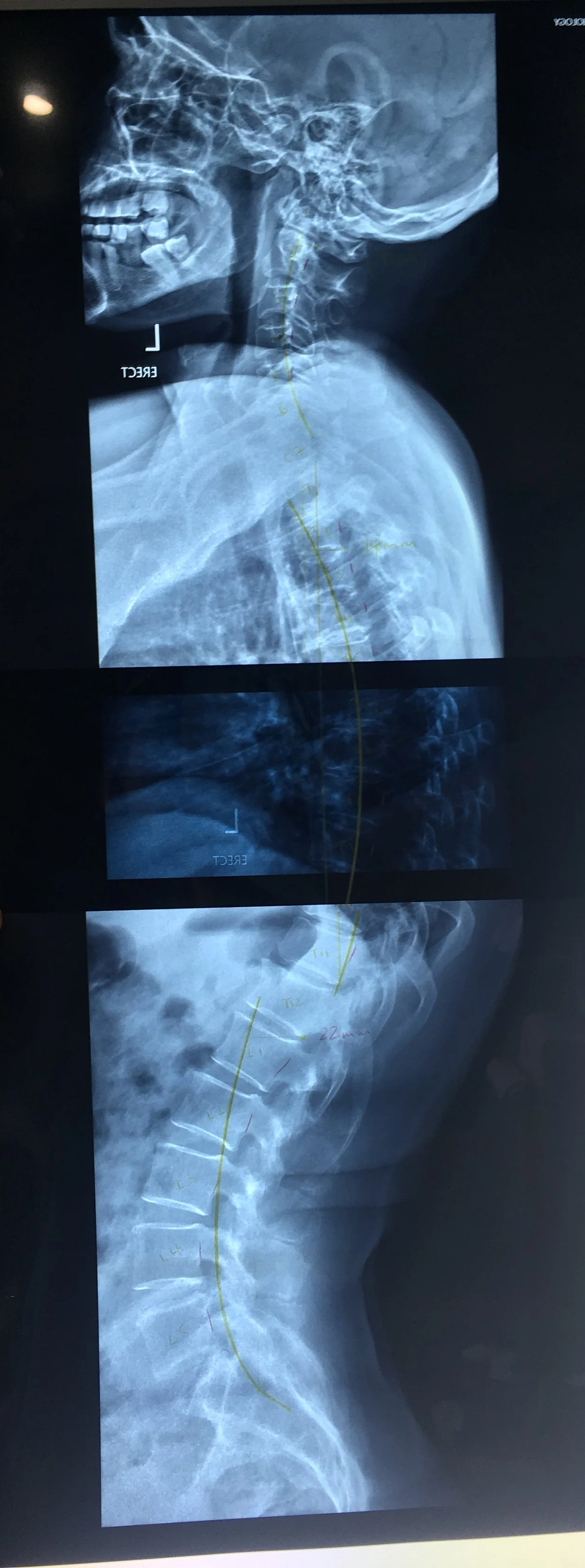
Herniated Disc Recovery Timeline: How Long Does It Take to Heal?
One of the first questions we hear after someone has been told they have a disc injury is:
“How long is this going to take to get better?”
It makes sense.
When your back is sore, pain is travelling into your leg, or simple movements feel difficult, the uncertainty can sometimes feel just as stressful as the pain itself.
The reassuring news is:
👉 Most disc injuries improve well with time, movement, and the right support.
At Nomad Chiropractic, we regularly help patients navigating disc injuries who simply want clarity around:
what recovery should feel like
whether their symptoms are normal
how long healing realistically takes
and what they can do to help the process along
Because while everyone heals differently, there are some common patterns we tend to see.
Can a Herniated Disc Heal Naturally?
This is one of the most common questions people ask when they receive the diagnosis.
And thankfully:
👉 Yes — many disc herniations improve naturally over time.
The body has an incredible ability to adapt and heal.
Research shows many disc injuries improve as:
inflammation reduces
surrounding irritation settles
movement patterns improve
and the nervous system becomes less reactive
In some cases, the body may even gradually reabsorb part of the herniated material over time.
What often matters most is not simply the disc itself—
but:
how irritated the surrounding nerve is
how sensitive the nervous system has become
and how well the spine is functioning around the injury
Why Recovery Often Takes Longer Than People Expect
One of the biggest misconceptions is that once pain begins easing, the issue is fully resolved.
But pain reduction is only one part of healing.
Disc recovery usually involves multiple stages:
Inflammation calming down
Movement patterns normalising
Strength and confidence rebuilding
The nervous system learning that movement is safe again
This final part is particularly important.
Especially if symptoms have been present for a long time.
Because chronic pain is not just about tissue damage—
sometimes it is about the brain and nervous system becoming more protective and sensitive over time.
This process is often referred to as central sensitisation or maladaptive pain patterning, and newer research into neuroplasticity suggests the nervous system can adapt positively with repeated, consistent input.
How Long Does a Disc Herniation Take to Heal?
While every person is different, many people fall into the following general timeline:
Mild disc irritation
2–6 weeks
Moderate disc herniation
6–12 weeks
More persistent / chronic presentations
3–6+ months
Importantly—
👉 healing is rarely perfectly linear.
There are usually:
good days
flare-up days
frustrating plateaus
sudden jumps forward after periods of slower progress
That is all very normal.
Week 1–2: The Acute Inflammatory Phase
This is when symptoms often feel their worst.
You may notice:
sharp lower back pain
muscle spasm or guarding
pain when bending/sitting
symptoms starting into the buttock or leg
At this stage the body is highly protective.
The goal is not to aggressively “fix” the problem—
it is to:
calm irritation
reduce sensitivity
maintain safe movement
avoid excessive guarding
Week 2–6: Early Recovery Phase
During this stage many patients notice:
pain becoming less constant
flare-ups reducing in intensity
movement feeling easier
Though symptoms may still fluctuate.
This is often the frustrating stage where people say:
“It’s definitely better… but not gone.”
That is completely normal.
Why Frequency of Care Matters Early On
This is where consistency becomes particularly important.
Just like you would not expect one gym session to build strength, or one stretch to permanently improve flexibility—
the spine and nervous system often need repeated input to adapt.
Research looking at chiropractic dose-response has shown that repeated care over time tends to produce better outcomes than sporadic care in persistent spinal pain presentations.
For many acute or subacute disc presentations, this may mean:
more frequent care initially
then tapering as progress stabilises
At Nomad, we explain this as:
👉 “Front loading support while the body is most inflamed, sensitive and adaptable.”
💫 Learn more about chiropractic scheduling here
Week 6–12: Rebuilding and Retraining Phase
By now many people notice:
symptoms centralising
pain travelling less
daily comfort improving
confidence returning
But this stage is not just about pain reduction.
It is about retraining the body.
Because if movement, posture and loading habits are not addressed—
many people improve…
then flare up again.
Chronic Cases and Neuroplasticity
If your symptoms have been lingering for months—or even years—it does not necessarily mean the disc is still badly injured.
Often in chronic cases:
tissues may have largely healed
but the nervous system remains protective
movement still feels threatening to the brain
pain pathways have become more sensitised
This is where neuroplasticity becomes incredibly relevant.
The nervous system learns through:
repetition
consistency
exposure
predictable input
Meaning long-standing pain often improves best when the body receives consistent repeated movement and sensory input over time, not random isolated treatment.
That is why chronic cases often require:
steadier consistency
slower progression
and a longer runway for improvement
What Slows Recovery Down?
We commonly see healing stall when:
Too Much Rest
Complete rest often stiffens the spine and delays recovery.
Doing Too Much Too Soon
Returning to intense lifting or activity prematurely can re-aggravate tissues.
Inconsistent Support
Long gaps between care during early flare phases can slow momentum.
Fear of Movement
When pain creates fear, people stop moving normally.
This often worsens long-term outcomes.
What Helps a Herniated Disc Heal Faster?
While healing cannot be rushed, it can be supported.
Helpful strategies include:
Gentle walking
Simple but highly effective.
Guided rehab exercises
Supporting spinal control and movement.
Good posture / load awareness
Reducing repetitive aggravation.
Consistent care
Helping maintain momentum through the healing phases.
What Does Recovery Usually Feel Like?
Recovery often looks like:
Early:
Pain is frequent and easily aggravated.
Middle:
Pain fluctuates but is improving overall.
Late:
Flare-ups are smaller and less frequent.
One excellent sign of progress is:
👉 Symptoms centralising.
Meaning pain moves:
foot → calf
calf → thigh
thigh → back
This often suggests nerve irritation is calming.
What Happens at a Nomad Chiropractic Appointment?
At Nomad Chiropractic, we assess more than just where it hurts.
We look at:
Movement patterns
How your spine and body are functioning.
Neurological signs
Strength, reflexes, sensation.
Compensation strategies
How your body has adapted around the issue.
Care may include:
gentle chiropractic adjustments
mobility work
soft tissue support
rehab guidance
progressive planning
The Nomad Difference for Disc Herniation Treatment
At Nomad, our focus is not simply pain relief.
We help patients understand:
what phase of healing they are in
what their body is doing
what realistic progress looks like
and what steps come next
Because confidence in the recovery process matters.
We regularly support patients across:
Mosman
Neutral Bay
Cremorne
North Sydney
North Shore
Northern Beaches
through disc injuries, sciatica and persistent spinal pain.
FREQUENTLY ASKED QUESTIONS: Disc Herniation
-
Most herniated discs improve within 6–12 weeks, although recovery time varies depending on the severity of the injury, how irritated the surrounding nerve is, and how consistently the body is supported during recovery. More persistent or chronic cases may take several months to fully settle.
-
Yes — many disc herniations improve naturally over time. The body is often able to reduce inflammation, calm surrounding irritation and adapt around the injury. In some cases, the body may even gradually reabsorb part of the herniated disc material.
-
Recovery can take longer if symptoms have been present for a while, if the nervous system has become highly sensitised, or if movement patterns and lifestyle factors are continuing to aggravate the area. In longer-term cases, healing is often about more than just the tissue itself — it can also involve retraining how the body and nervous system respond to movement.
-
In many cases, yes. Gentle walking is often one of the most helpful activities for disc recovery because it promotes circulation, encourages movement through the spine and helps reduce stiffness without placing excessive load on the body. The key is keeping movement comfortable and progressive.
-
One of the most encouraging signs is when symptoms begin to centralise, meaning pain that was travelling into the leg or arm starts moving closer back toward the spine. Other positive signs include reduced pain intensity, improved movement, and flare-ups becoming less frequent or less severe over time.
Most people we see aren’t looking for a quick fix — they’re looking to understand what’s going on, feel confident in their body again, and have a clear plan moving forward. That’s exactly what we aim to provide.
Want to learn more? Book a FREE 15min discovery call with one of our Sydney Disc Herniation Chiropractors today: Book HERE
-
Australian Spinal Research Foundation
Spinal Research. Chiropractic and Neuroplasticity Research. Available at: https://spinalresearch.com.auHeidi Haavik
Haavik H. The Reality Check: A Quest to Understand Chiropractic from the Inside Out. Elk Grove Village: Life University Press; 2014.Haas M, Vavrek D, Peterson D, Polissar N, Neradilek MB.
Dose-response and efficacy of spinal manipulation for chronic low back pain. Spine Journal. 2014;14(7):1106–1116.Physiopedia
Physiopedia. Lumbar Disc Herniation. Available at: https://www.physio-pedia.com/Lumbar_Disc_HerniationNational Institute of Neurological Disorders and Stroke
NINDS. Herniated Disk Fact Sheet. Available at: https://www.ninds.nih.govNorth American Spine Society
North American Spine Society. Lumbar Disc Herniation Patient Education. Available at: https://www.spine.orgKongsted A, Kent P, Axen I, Downie AS, Dunn KM.
What have we learned from ten years of trajectory research in low back pain? BMC Musculoskeletal Disorders. 2016;17:220.Moseley GL, Butler DS.
Fifteen Years of Explaining Pain: The Past, Present and Future. Journal of Pain. 2015;16(9):807–813.Apkarian AV, Hashmi JA, Baliki MN.
Pain and the brain: Specificity and plasticity of the brain in clinical chronic pain. Pain. 2011;152(3):S49–S64.
-
The information provided on this website is for general educational purposes only and is not intended to replace professional healthcare advice, diagnosis, or treatment. Chiropractic care may assist with musculoskeletal function and nervous system health; however, individual outcomes may vary.
This content does not constitute medical advice and should not be used to diagnose or treat any health condition. Always seek advice from a registered healthcare professional if you have concerns about your symptoms, particularly if symptoms are severe, worsening, or persistent.
If you experience red flag symptoms such as unexplained weight loss, fever, loss of bladder or bowel control, progressive weakness, or significant trauma, seek immediate medical attention.
Nomad Chiropractic practitioners are registered with the Australian Health Practitioner Regulation Agency (AHPRA) and provide care in accordance with Australian healthcare standards and scope of practice.
Most disc herniations improve within weeks to months, though recovery timelines vary depending on severity, nervous system sensitivity and consistency of care. Healing is not always linear, and chronic cases may take longer due to neuroplastic pain adaptations.
At Nomad Chiropractic Mosman, we help patients understand each stage of recovery while guiding movement, spinal care and nervous system support throughout the process.
Small posture changes today can help protect your spine from years of unnecessary strain.