
Upper Limb Pinched Nerves: Understanding Arm, Elbow, Wrist and Hand Nerve Pain
QUICK Links:
Posture | Acute Lower Back Pain
Lower back pain | Sciatica
Neck pain | Headaches
Pins and needles in your fingers. Numb hands at night. Elbow pain when typing. Burning down your arm when you turn your head. These symptoms are often blamed on a "pinched nerve," but there are several different nerves that can create similar symptoms.
In this guide, we explore the most common upper limb nerve conditions including carpal tunnel syndrome, cubital tunnel syndrome, thoracic outlet syndrome, radial nerve irritation, and cervical nerve root irritation. Learn how nerves travel from your neck to your fingertips, why they become irritated, home exercises that may help, nerve flossing techniques, PNF stretching, and when to seek professional advice.
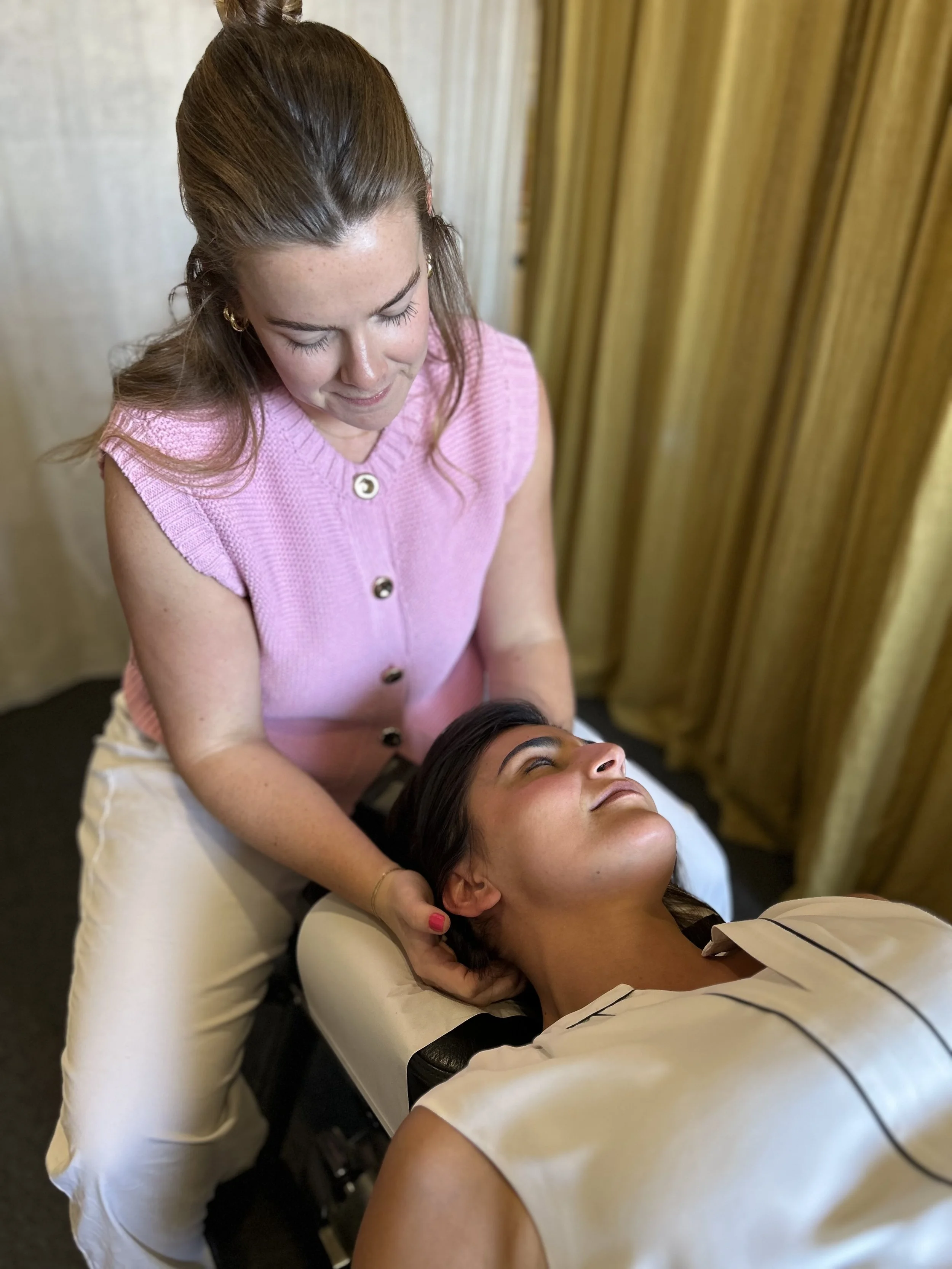
Why Does My Arm Keep Going Numb?
One of the most common questions we hear in practice is:
"Why do my fingers keep tingling?"
Sometimes it happens while driving.
Sometimes it's during sleep.
Sometimes it's while working at a computer.
For others, symptoms appear during exercise, carrying children, lifting weights, or simply holding a phone.
The challenge is that many different nerves can create remarkably similar symptoms.
A tingling thumb may originate from your wrist.
Or your neck.
Or your shoulder.
Or even your chest muscles.
This is why understanding nerve pathways matters.
At Nomad Chiropractic, we commonly see people searching for:
Why does my hand go numb at night?
What causes tingling in my fingers?
Can a chiropractor help carpal tunnel syndrome?
Why does my elbow hurt when I type?
What causes shooting pain down my arm?
How do I relieve a pinched nerve in my shoulder?
Let's start by understanding the journey these nerves take.
The Journey from Neck to Fingertips
Every major nerve supplying your arm begins in the neck.
Nerve roots exit the cervical spine and join together to form the brachial plexus.
The brachial plexus then branches into several major nerves including:
Median nerve
Ulnar nerve
Radial nerve
Musculocutaneous nerve
Axillary nerve
Each nerve travels through narrow spaces where it can become irritated.
Think of them as electrical cables travelling through tunnels.
If a tunnel becomes narrowed or surrounding tissues become tight, symptoms may develop further down the line.
Common Upper Limb Nerve Conditions
1. Cervical Radiculopathy
Often referred to as a "pinched nerve in the neck."
This occurs when a cervical nerve root becomes irritated as it exits the spine.
Common causes include:
Disc bulges
Disc herniations
Joint degeneration
Inflammation
Reduced spinal mobility
Symptoms may include:
Neck pain
Shoulder pain
Arm pain
Tingling into fingers
Numbness
Weakness
Many people are surprised to learn that significant arm symptoms can occur even when neck pain is minimal.
2. Thoracic Outlet Syndrome
Thoracic Outlet Syndrome (TOS) occurs when nerves of the brachial plexus become compressed between the neck and shoulder.
Common compression sites include:
Scalene Triangle
Located between the anterior and middle scalene muscles.
Costoclavicular Space
Between the clavicle and first rib.
Pectoralis Minor Space
Under the pectoralis minor muscle.
Common symptoms include:
Arm heaviness
Numbness
Tingling
Symptoms overhead
Poor circulation sensations
Relevant Anatomy
Anterior Scalene
Origin:
C3-C6 cervical vertebrae
Insertion:
First rib
Pectoralis Minor
Origin:
Ribs 3-5
Insertion:
Coracoid process
Prolonged desk work often contributes to these patterns.
3. Carpal Tunnel Syndrome
One of the most recognised nerve conditions.
The median nerve travels through a narrow tunnel at the wrist called the carpal tunnel.
Symptoms commonly include:
Numb thumb
Tingling index finger
Tingling middle finger
Night pain
Dropping objects
Weak grip
Many people notice symptoms while sleeping.
Although wrist mechanics matter, contributors may also include:
Neck dysfunction
Shoulder dysfunction
Pregnancy
Fluid retention
Repetitive tasks
4. Pronator Syndrome
Less common but frequently overlooked.
The median nerve can also become irritated higher in the forearm.
Pronator Teres
Origin:
Medial epicondyle of humerus
Insertion:
Middle radius
Tightness through this muscle may contribute to median nerve irritation.
5. Cubital Tunnel Syndrome
The second most common nerve entrapment of the upper limb.
The ulnar nerve passes through the cubital tunnel behind the elbow.
This is the nerve responsible for the "funny bone" sensation.
Symptoms include:
Tingling little finger
Tingling ring finger
Hand weakness
Grip weakness
Night symptoms
People who sleep with bent elbows often notice worsening symptoms.
6. Guyon's Canal Syndrome
The ulnar nerve can also become compressed at the wrist.
Common in:
Cyclists
Tradies
Weightlifters
Desk workers
Symptoms are similar to cubital tunnel syndrome but originate further down the arm.
7. Radial Tunnel Syndrome
The radial nerve supplies many of the muscles responsible for extending the wrist and fingers.
Compression often occurs around the supinator muscle.
Supinator
Origin:
Lateral epicondyle
Insertion:
Proximal radius
Symptoms may include:
Forearm pain
Grip weakness
Pain with lifting
Symptoms resembling tennis elbow
Why Nerves Become Irritated
Upper limb nerve symptoms rarely occur because of a single cause.
Often several factors contribute.
Common contributors include:
Forward head posture
Rounded shoulders
Desk work
Repetitive strain
Gym training errors
Previous injuries
Poor sleep position
Reduced spinal mobility
Stress
This is why simply treating the wrist often fails to resolve long-term symptoms.
Nerve Flossing Exercises
—> follow us on socials for regular home exercise tips!
Nerves need movement.
Gentle nerve glides may help improve mobility and reduce sensitivity.
Median Nerve Glide
Arm out to side
Palm facing upward
Extend wrist gently
Slowly move head away
Repeat 5-10 times.
Ulnar Nerve Glide
Often called the "waiter's tray."
Form an OK sign around your eye
Lift elbow outward
Return slowly
Repeat gently.
Radial Nerve Glide
Arm by side
Internally rotate shoulder
Flex wrist
Slowly move neck away
These should never reproduce severe symptoms.
PNF Stretching for Upper Limb Nerve Conditions
PNF can help reduce tension around irritated nerves.
Pec Minor PNF Stretch
Place forearm on doorway.
Lean forward gently.
Contract into doorway for 5 seconds.
Relax.
Increase stretch.
Repeat 2-3 rounds.
Scalene PNF Stretch
Side bend head away.
Apply gentle resistance.
Hold 5 seconds.
Relax.
Increase stretch slightly.
This may help reduce tension around the brachial plexus.
Home Care Strategies
Change Positions Frequently
Your best posture is your next posture.
Improve Desk Ergonomics
Raise screens.
Support arms.
Reduce prolonged wrist extension.
Strengthen Upper Back Muscles
Exercises such as:
Rows
Band pull-aparts
Face pulls
help support shoulder position.
Sleep Position Awareness
Avoid prolonged elbow flexion.
Avoid sleeping with hands under your head.
Can Chiropractic Care Help?
At Nomad Chiropractic we assess:
Neck function
Shoulder mechanics
Spinal movement
Posture
Nerve pathways
Muscle tension
Movement patterns
Depending on your presentation, care may include:
Chiropractic adjustments
Soft tissue techniques
Rehabilitation exercises
Nerve glides
Ergonomic advice
Movement retraining
The goal is to understand why symptoms developed, not simply where they hurt.
When Should You Seek Help?
Seek prompt assessment if you notice:
Progressive weakness
Significant numbness
Muscle wasting
Loss of coordination
Persistent night pain
Symptoms worsening over time
Early intervention often produces the best outcomes.
Key Takeaways
Upper limb nerve symptoms may originate from the neck, shoulder, elbow, forearm, or wrist.
Common conditions include cervical radiculopathy, thoracic outlet syndrome, carpal tunnel syndrome, cubital tunnel syndrome, and radial tunnel syndrome.
Nerves need to glide and move freely.
Nerve flossing and PNF stretching may help improve mobility.
Posture, workstation setup, and movement habits often contribute.
Chiropractic care may help support healthy nervous system function and movement.
If you're experiencing numbness, tingling, weakness, or arm pain and you're not sure where it's coming from, we'd love to help. At Nomad Chiropractic, we take the time to understand the whole picture and create a personalised plan designed around you and your goals.
Sometimes the symptoms show up in your fingers, but the story starts much higher up the chain.
Frequently Asked Quesitons - Upper Limb Radiculopathy
1. Why do my hands go numb at night?
Night-time hand numbness is commonly associated with carpal tunnel syndrome, cubital tunnel syndrome, sleeping posture, fluid retention, or irritation of nerves originating in the neck. Many people unknowingly sleep with bent wrists or elbows, which can place prolonged pressure on nerves.
2. Can a pinched nerve in my neck cause tingling in my fingers?
Yes. Nerves that supply your fingers originate from the cervical spine. Irritation of these nerve roots can create symptoms that travel into the shoulder, arm, hand, and fingers, even if neck pain is minimal or absent.
3. What is the difference between carpal tunnel syndrome and cubital tunnel syndrome?
Carpal tunnel syndrome involves compression of the median nerve at the wrist and typically affects the thumb, index, middle, and part of the ring finger. Cubital tunnel syndrome affects the ulnar nerve at the elbow and commonly causes tingling in the little finger and ring finger.
4. Can working at a desk cause a pinched nerve?
Prolonged desk work can contribute to nerve irritation through forward head posture, rounded shoulders, sustained wrist positions, reduced movement, and increased tension in muscles surrounding nerve pathways. Regular movement breaks and workstation optimisation can help.
5. Should I stretch if I have arm numbness and tingling?
Sometimes, but not always. Aggressive stretching may aggravate an already sensitive nerve. Gentle nerve glides and appropriately prescribed mobility exercises are often more effective. If symptoms persist or worsen, professional assessment is recommended.
If you're experiencing numbness, tingling, weakness, or arm pain and you're not sure where it's coming from, we'd love to help. At Nomad Chiropractic, we take the time to understand the whole picture and create a personalised plan designed around you and your goals.
Want to learn more? Book a FREE 15min discovery call with one of Sydney’s best Chiropractors today: Book HERE
-
Spinal Research Foundation Australia
Heidi Haavik Research Resources
Chiropractic Australia
Dr Mo Knows
Clinical Neurodynamics
David Butler & The Sensitive Nervous System
Explain Pain
Lorimer Moseley
National Institute of Neurological Disorders and Stroke
Mayo Clinic
-
The information provided on this website is for general educational purposes only and is not intended to replace professional healthcare advice, diagnosis, or treatment. Chiropractic care may assist with musculoskeletal function and nervous system health; however, individual outcomes may vary.
This content does not constitute medical advice and should not be used to diagnose or treat any health condition. Always seek advice from a registered healthcare professional if you have concerns about your symptoms, particularly if symptoms are severe, worsening, or persistent.
If you experience red flag symptoms such as unexplained weight loss, fever, loss of bladder or bowel control, progressive weakness, or significant trauma, seek immediate medical attention.
Nomad Chiropractic practitioners are registered with the Australian Health Practitioner Regulation Agency (AHPRA) and provide care in accordance with Australian healthcare standards and scope of practice.
Sometimes the symptoms show up in your fingers, but the story starts much higher up the chain.