

Blog




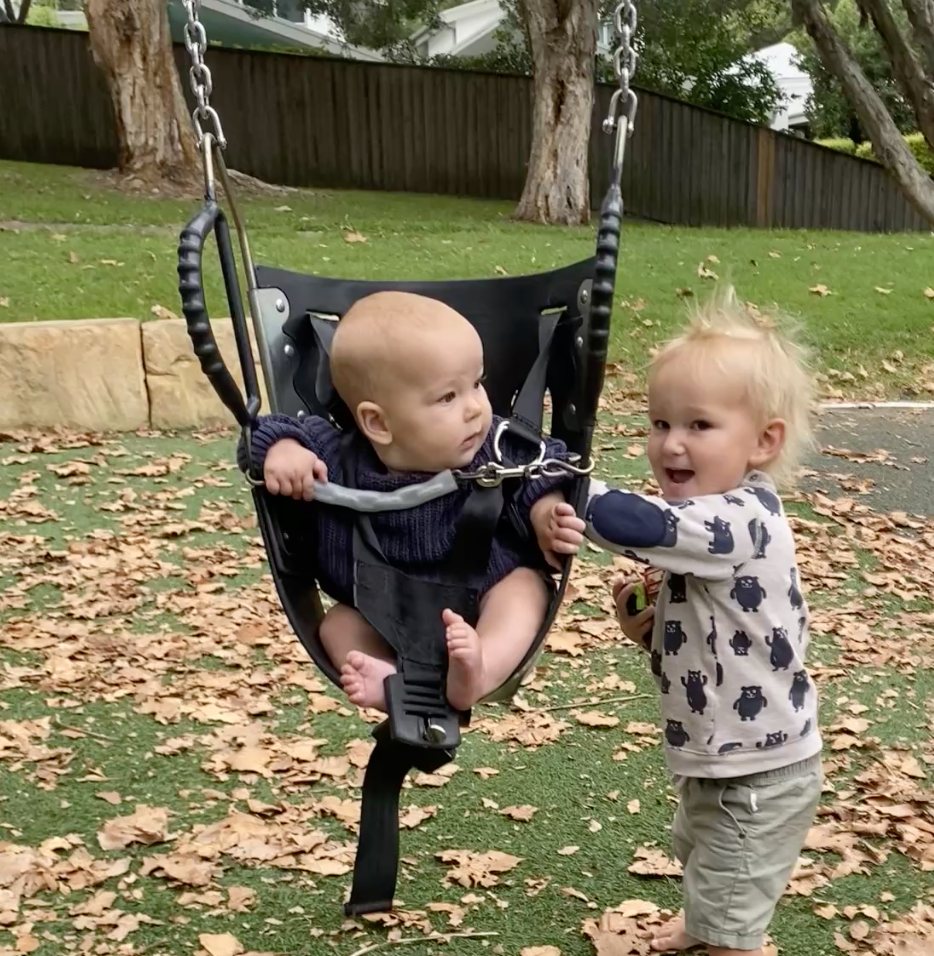
Why Balance Is the Foundation for Learning, Movement and Confidence
Vestibular System | Balance & Coordination
The vestibular system is your child's internal balance system and plays a vital role in movement, coordination, posture, vision and learning. Discover why tummy time, crawling, climbing, swinging and outdoor play are essential for healthy brain development, plus practical activities you can use at home to support your baby's vestibular system naturally from infancy through the toddler years.
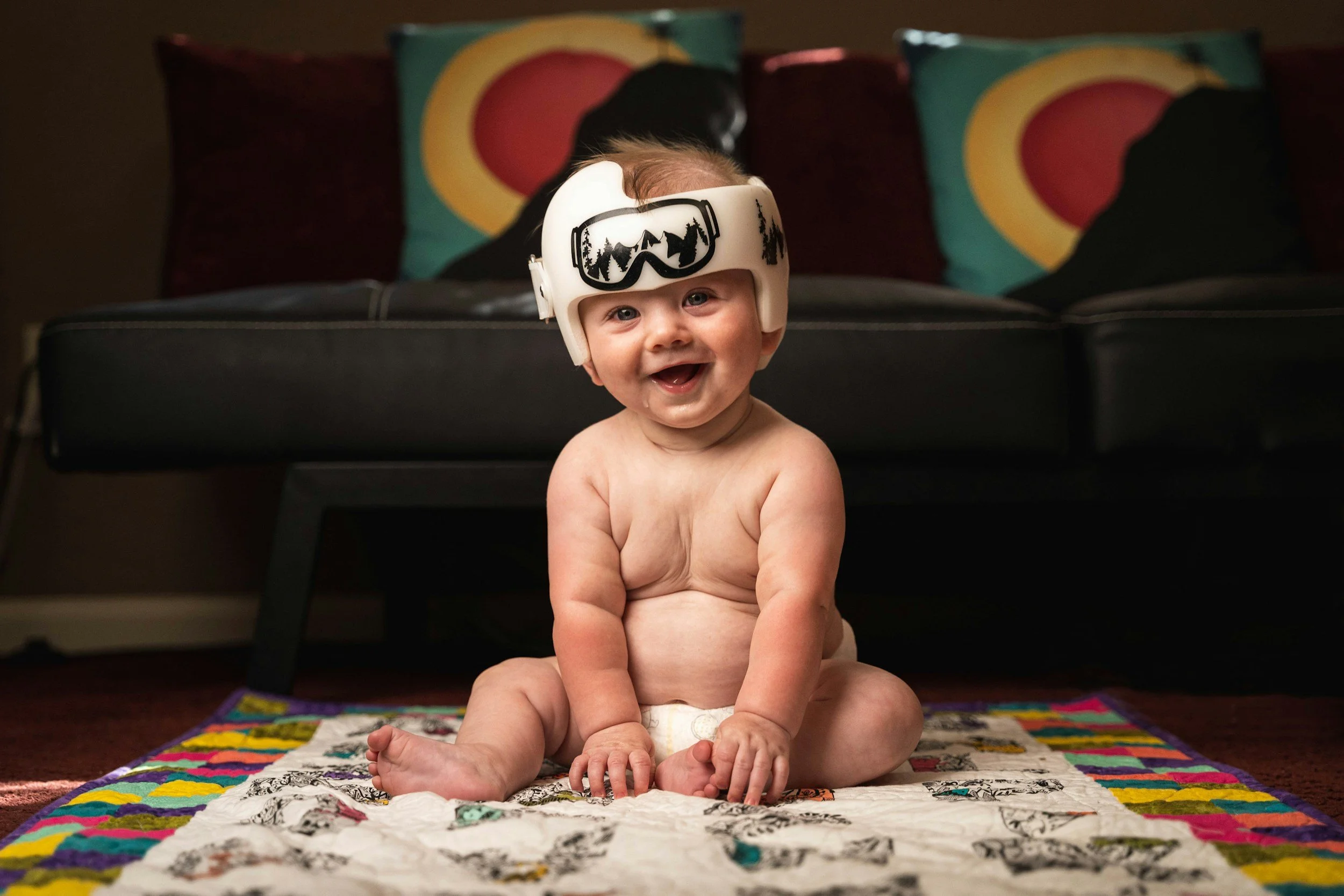
Flat Head Syndrome in Babies (Plagiocephaly): Causes, Early Signs and How to Help
The Importance of Chiropractic Intervention for Plagiocephaly
Plagiocephaly, commonly known as flat head syndrome, is a common condition affecting babies during their first year of life. This guide explains why plagiocephaly develops, how it is measured, when helmet therapy may be recommended, and the role of chiropractic care in supporting healthy movement patterns. Learn practical home strategies and when to seek professional advice for your baby's developing head shape.
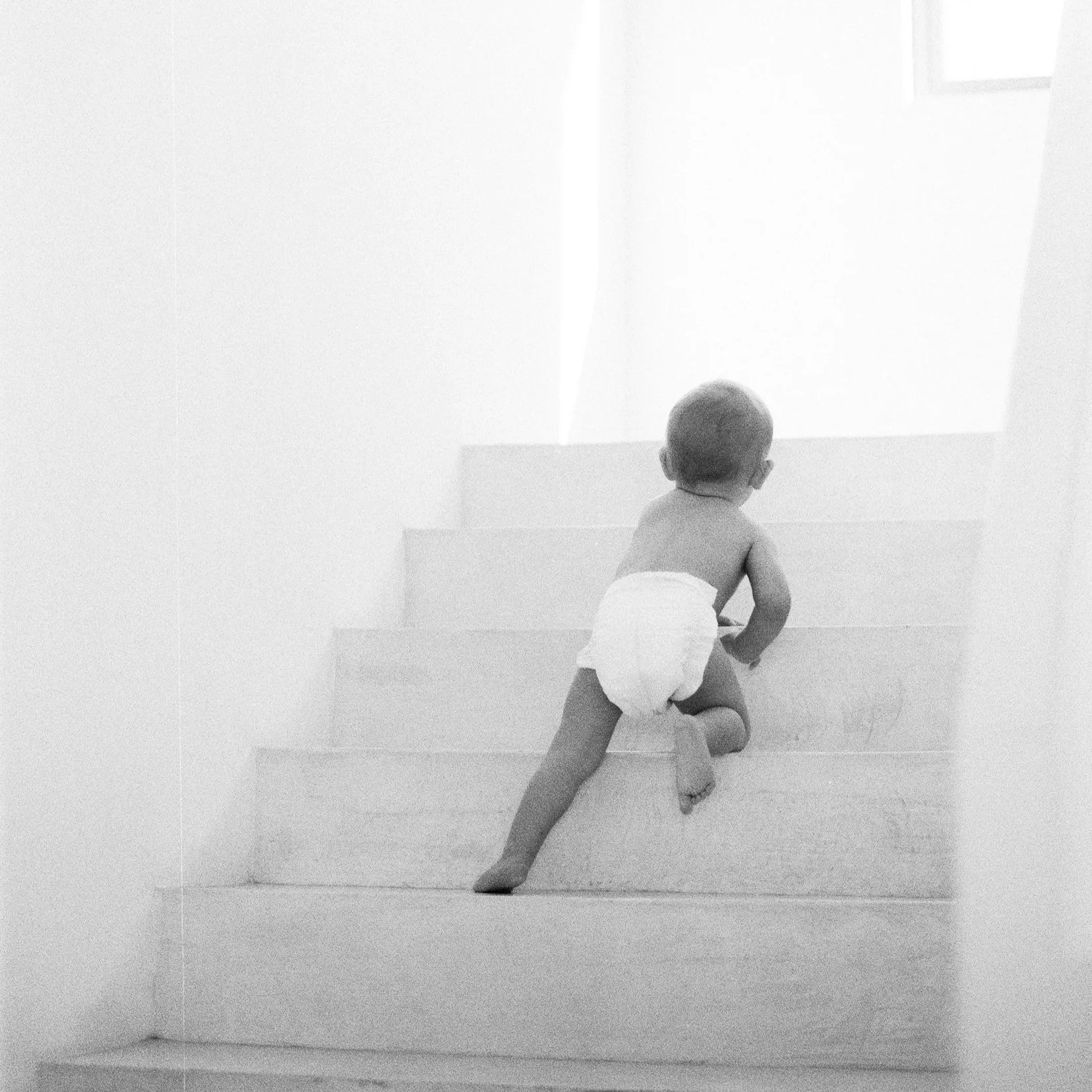
Why Crawling Matters More Than You Think: The Hidden Foundation of Brain and Body Development
Don’t Skip Crawling
Crawling is far more than a milestone on the way to walking. It plays a vital role in brain development, primitive reflex integration, coordination, vision, and nervous system regulation. While some children skip crawling, this foundational movement pattern can influence learning, posture, and emotional regulation later in life. Discover why crawling matters and simple ways to support healthy development at every age.
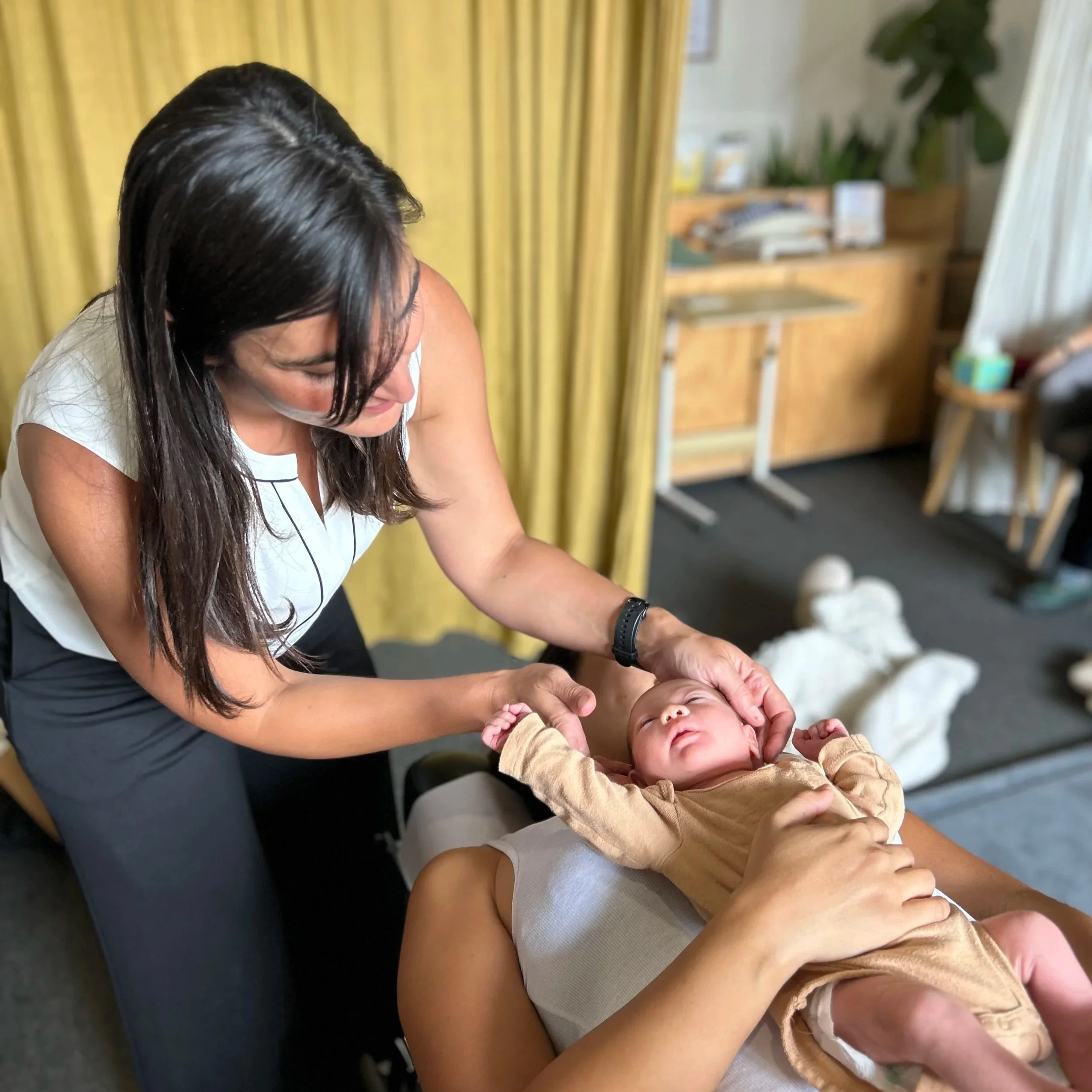
Why Chiropractic Care for Babies Isn’t Just a “Nice to Have” — It’s Foundational Support for the Developing Nervous System
Pregnancy, Postpartum & Paediatric Chiropractic Care
Birth is one of the most physically and neurologically demanding events a baby will experience. This blog explores why more families are choosing gentle chiropractic care to support feeding, digestion, sleep, movement, tongue function, and nervous system regulation from the very beginning. Learn how pregnancy care, the Webster Technique, postpartum recovery, tongue tie co-management, and infant chiropractic all work together to support calmer babies, more connected parents, and healthier family foundations.
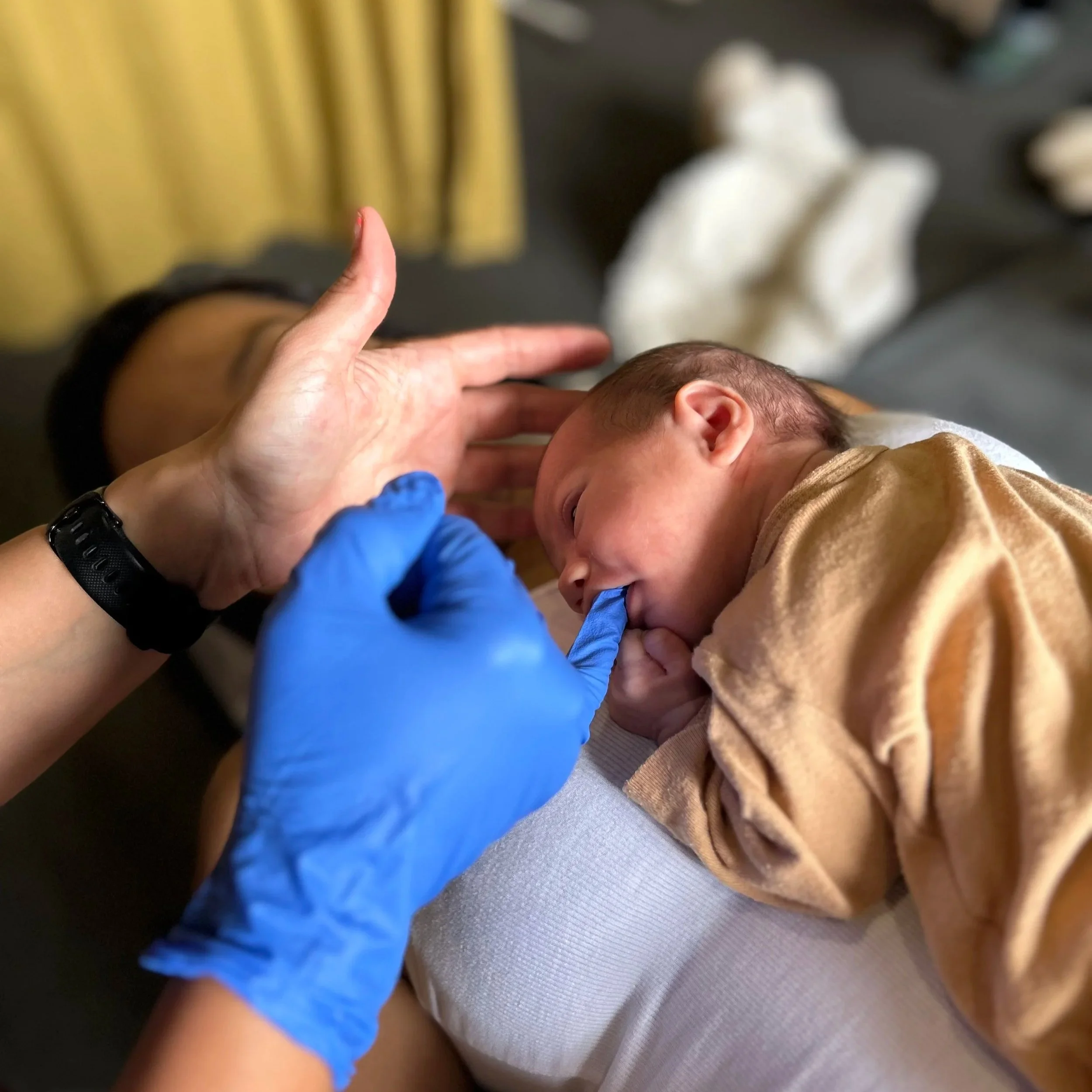
Tongue Tie in Babies: Symptoms, Diagnosis, Severity and What Parents Need to Know
Tongue Tie in Babies - feeding, sleep & comfort
Tongue tie can affect feeding, sleep and comfort in babies, but it’s often misunderstood. This guide explains the common signs and symptoms, how tongue tie is diagnosed, different levels of severity, and why not all feeding issues are caused by a tie. Learn what to look for, when to seek support, and how a whole-body approach can help improve feeding outcomes.

An Infant’s Cervical Spine Is Not a Smaller Adult Spine
Infant Neck Development
An infant’s cervical spine is not a smaller version of an adult’s. It is more flexible, less stable, and still developing for years. Understanding these differences helps parents support safe movement, respond appropriately after falls, and make informed choices about gentle paediatric chiropractic care.

Early Motor Development, Posture & Reflexes
Early Motor Development, Posture & Reflexes
New 2024 research reveals how early motor development in the first year of life can impact posture, coordination, and reflex integration well into childhood and adolescence. This article explores the science behind premature verticalisation, retained primitive reflexes, and why chiropractors play a key role in supporting healthy neuromusculoskeletal development in babies and children.
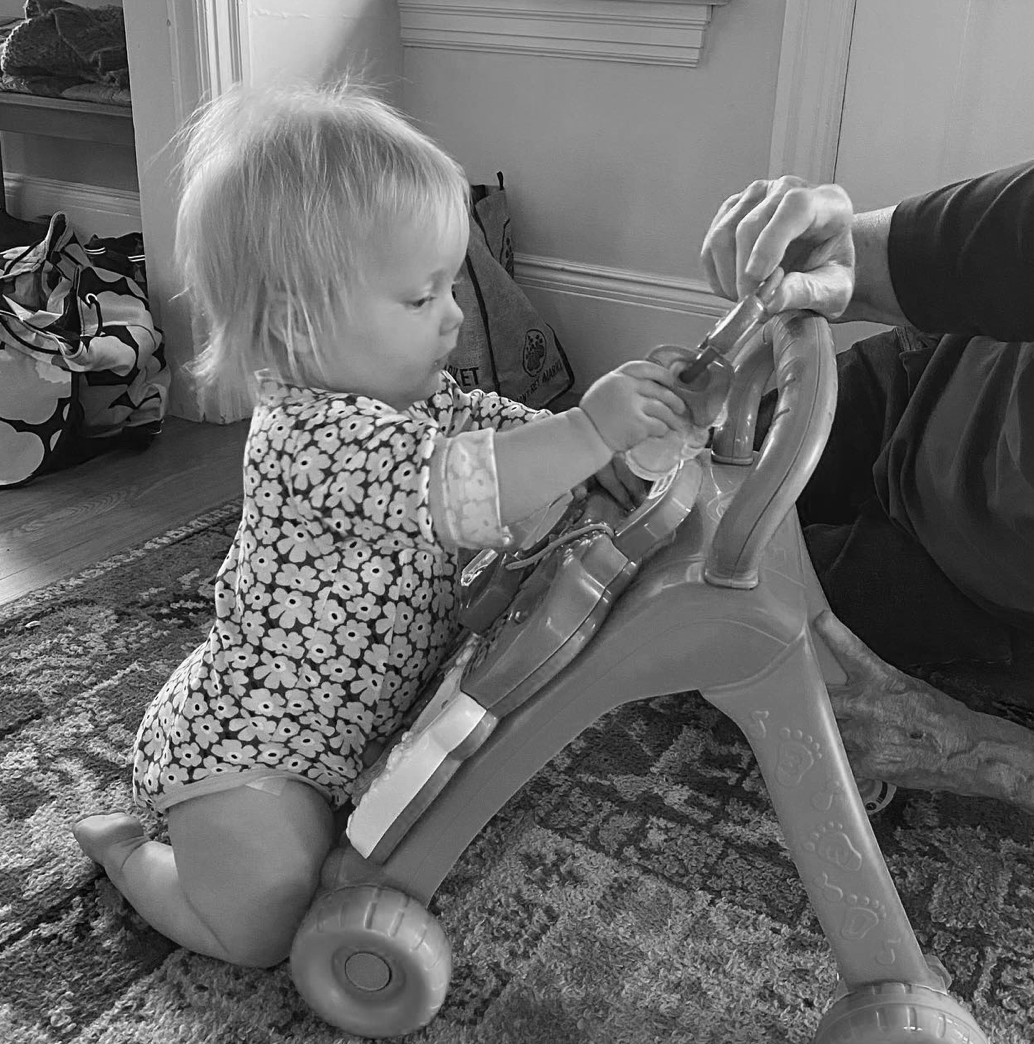
Kneeling Play: The Unsung Hero of Your Baby’s Development
A great exercise for 7-9mth olds: Kneeling!
Kneeling play builds your baby’s brain, balance, and strength. Learn why it matters, what to watch for, and how chiropractic care supports healthy development.

What Makes the Nomad Approach to Baby Chiropractic Different?
6 Part Series #6
What’s the Nomad Chiropractic approach to baby chiropractic
At Nomad Chiropractic, our approach to baby chiropractic is gentle, neurological, and family-centred. Learn how we support infant development with safe, tailored care in Mosman.
Is Chiropractic Care for Babies Safe?
6 Part Series #5
Is chiropractic care for babies safe?
Parents often ask if chiropractic care is safe for babies. At Nomad Chiropractic, we all have additional advanced paediatric chiropractic training. We use gentle, age-appropriate techniques to support your baby’s comfort and development. Learn what research says about safety and why many families choose chiropractic care for their newborns and infants.
How Chiropractic Care Supports Feeding, Digestion, and Sleep
6 Part Series #4
How Chiropractic Supports Baby Feeding, Digestion & Sleep
Feeding, digestion, and sleep are central to your baby’s growth and wellbeing. Sometimes tension in the body can make these more difficult. At Nomad Chiropractic in Mosman on Sydney’s North Shore, we provide gentle, tailored care to support your baby’s comfort, helping them feed, digest, and rest more easily.
Why Do Babies Get Tense?
6 Part Series #3.
Why Do Babies Get Tense? Causes & Relief
Babies can carry tension from birth, feeding, or developmental stress. This tension may show as stiffness, difficulty settling, or feeding challenges. At Nomad Chiropractic in Mosman on Sydney’s North Shore, we help babies release this stress naturally so they can grow, move, and thrive with ease. Questions? Book a free 15min chat!
What Actually Happens at a Baby Chiropractic Appointment?
6 Part Series. #2
What Actually Happens at a Baby Chiropractic Appointment?
Gentle care, baby-led sessions, and what to expect on your first visit
Step 1: Listening to the Whole Story
Step 2: Observing Baby’s Tone and Movement
Step 3: Gentle, Specific Care
How long does it take?
What are we actually adjusting?
Will I see changes straight away?
How often will we come?
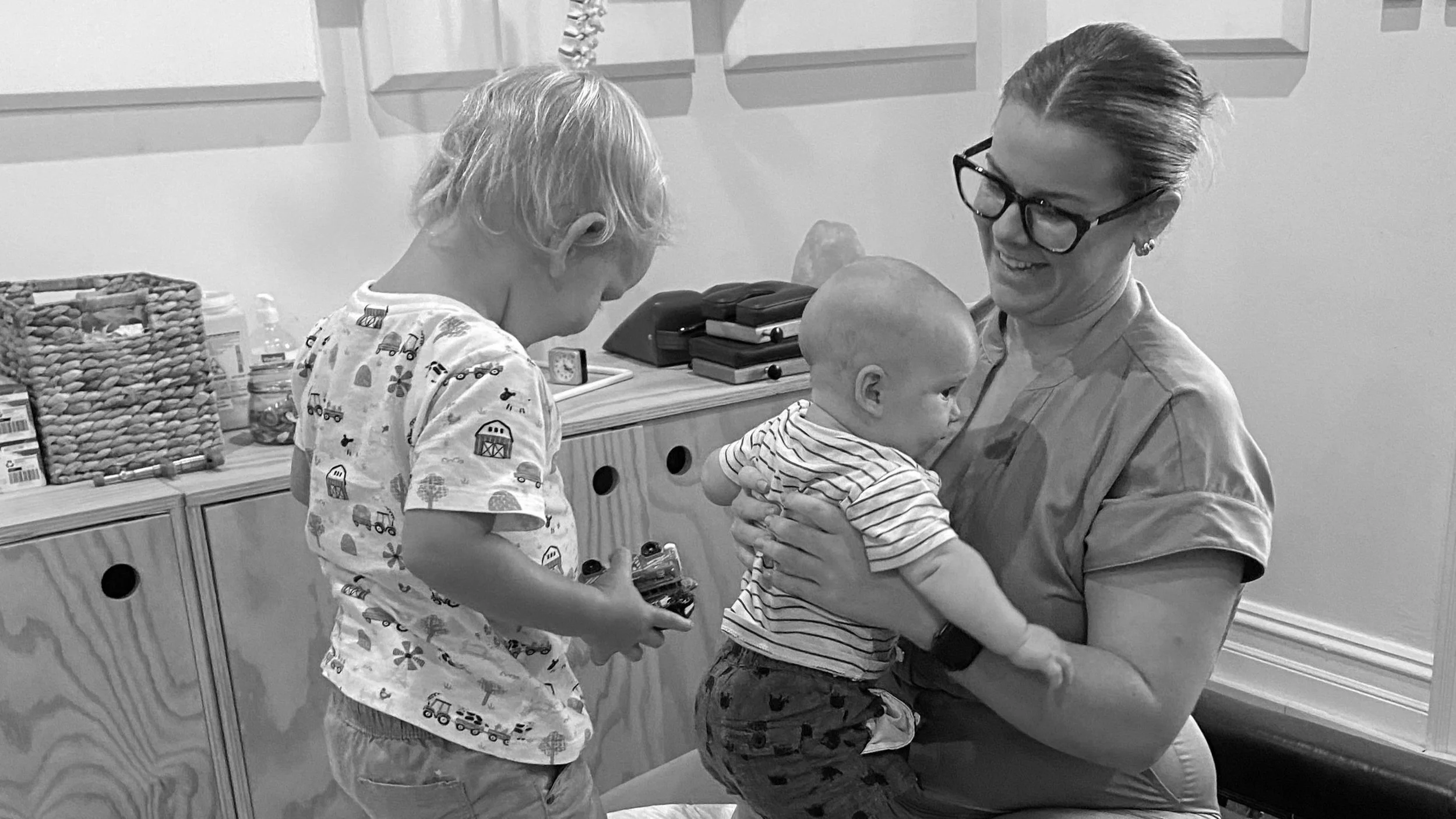
Primitive Reflexes: Why They Matter for Your Baby’s Development
Baby Milestones & Development
What are the primitive reflexes my baby should have?
Why are they important?
When should they be integrating?
And what home-care activities can I do to help my baby integrate the reflex and hit their next milestone?
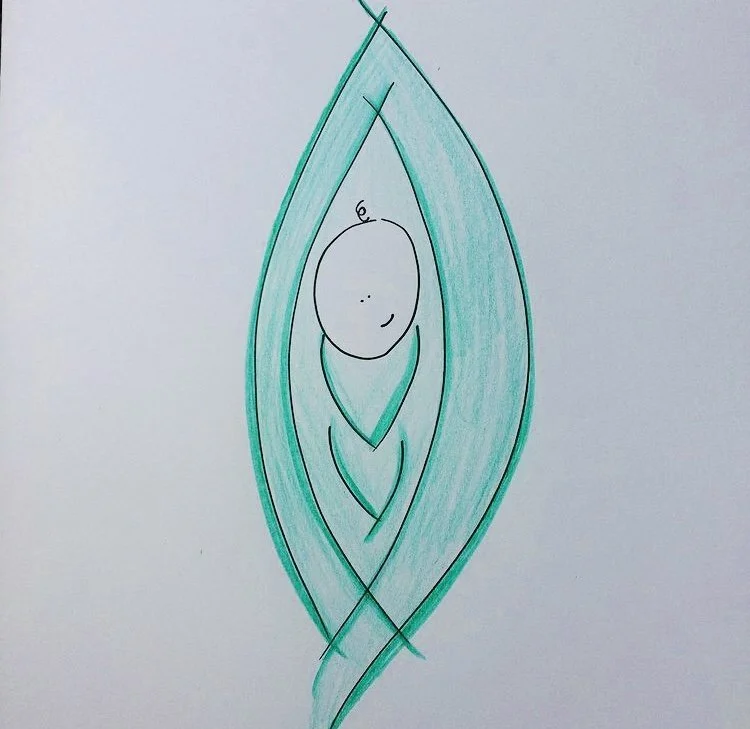
Why do we Swaddle our babies?
Why Do We Swaddle Our Babies? The Comfort, the Concerns, and the Neurological Story
- A Brief History of Swaddling
- Why Parents Swaddle Today
- Primitive Reflexes: The Neurological Foundation
- Neurological Risks of Over-Swaddling
- Physical Health Risks of Swaddling
- Safe Sleep vs Swaddling: The Ongoing Debate
- Gentle Alternatives That Support Neurology
- The Nomad Difference